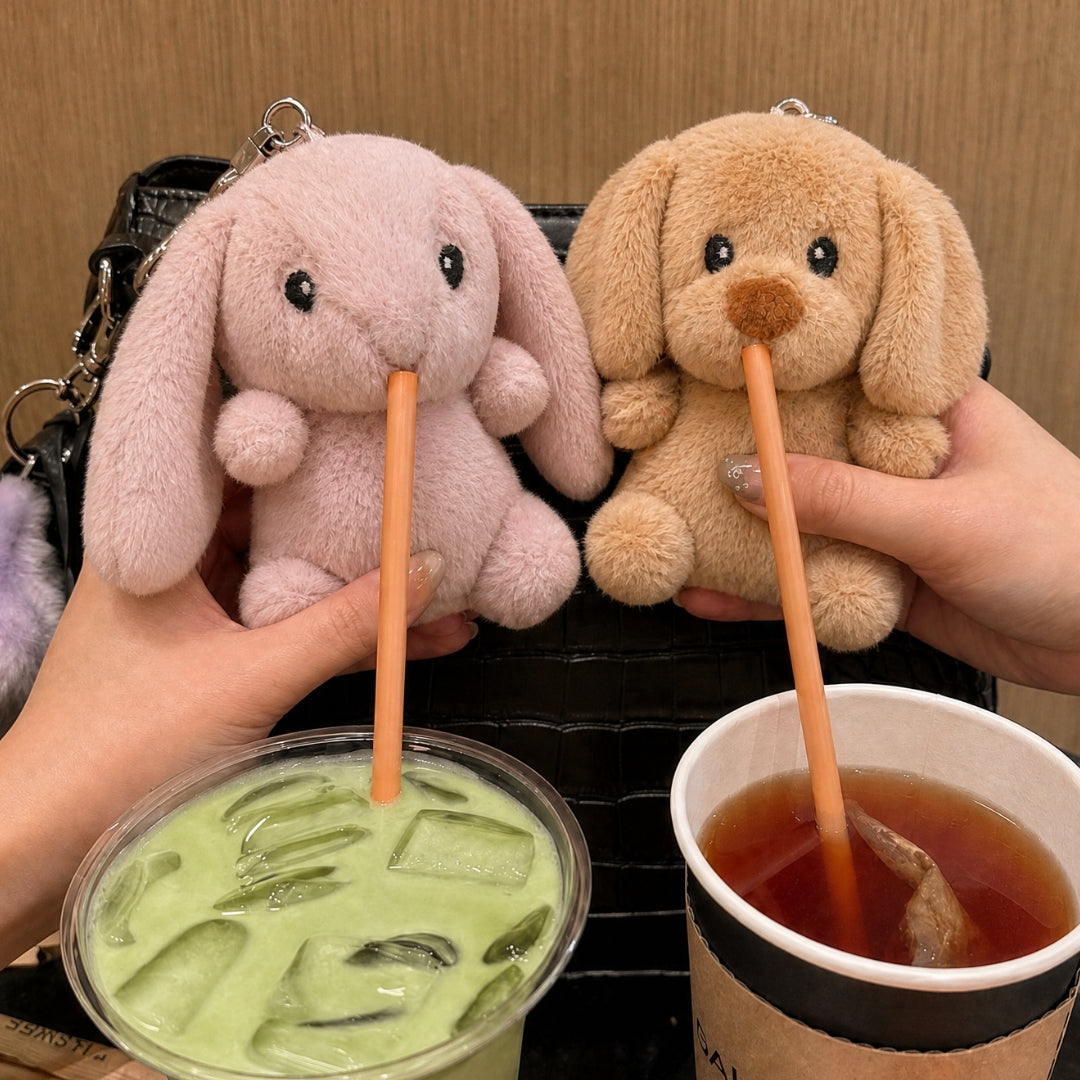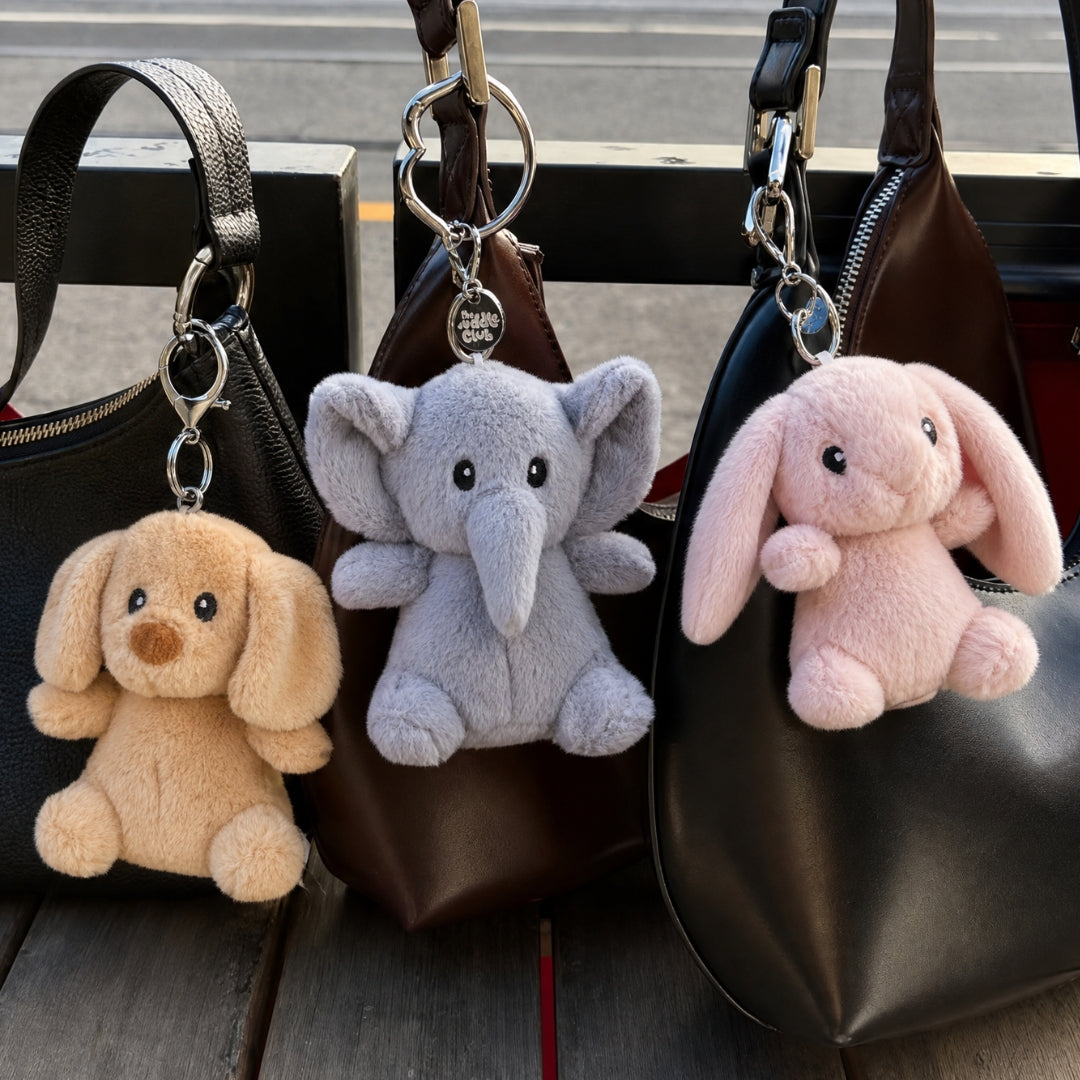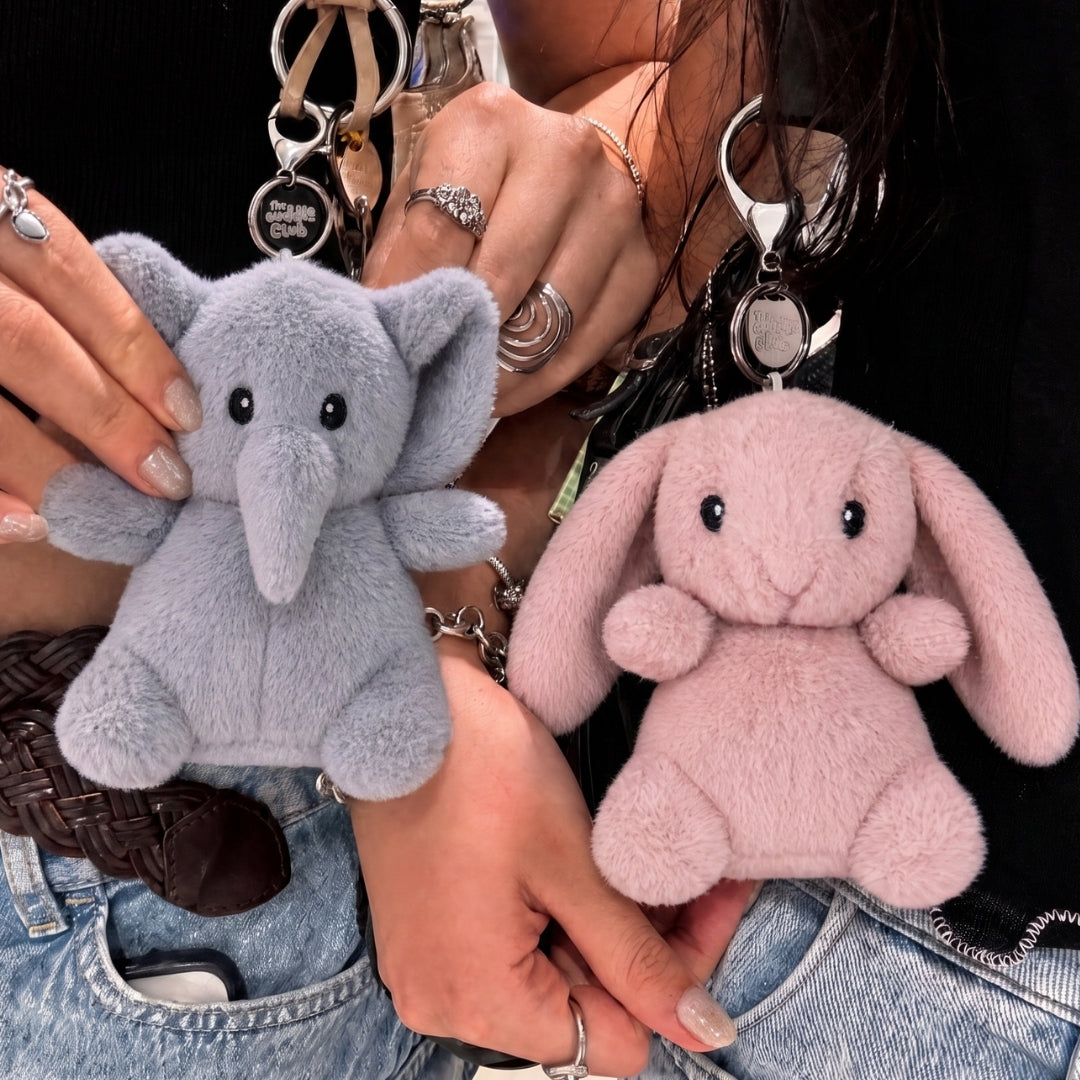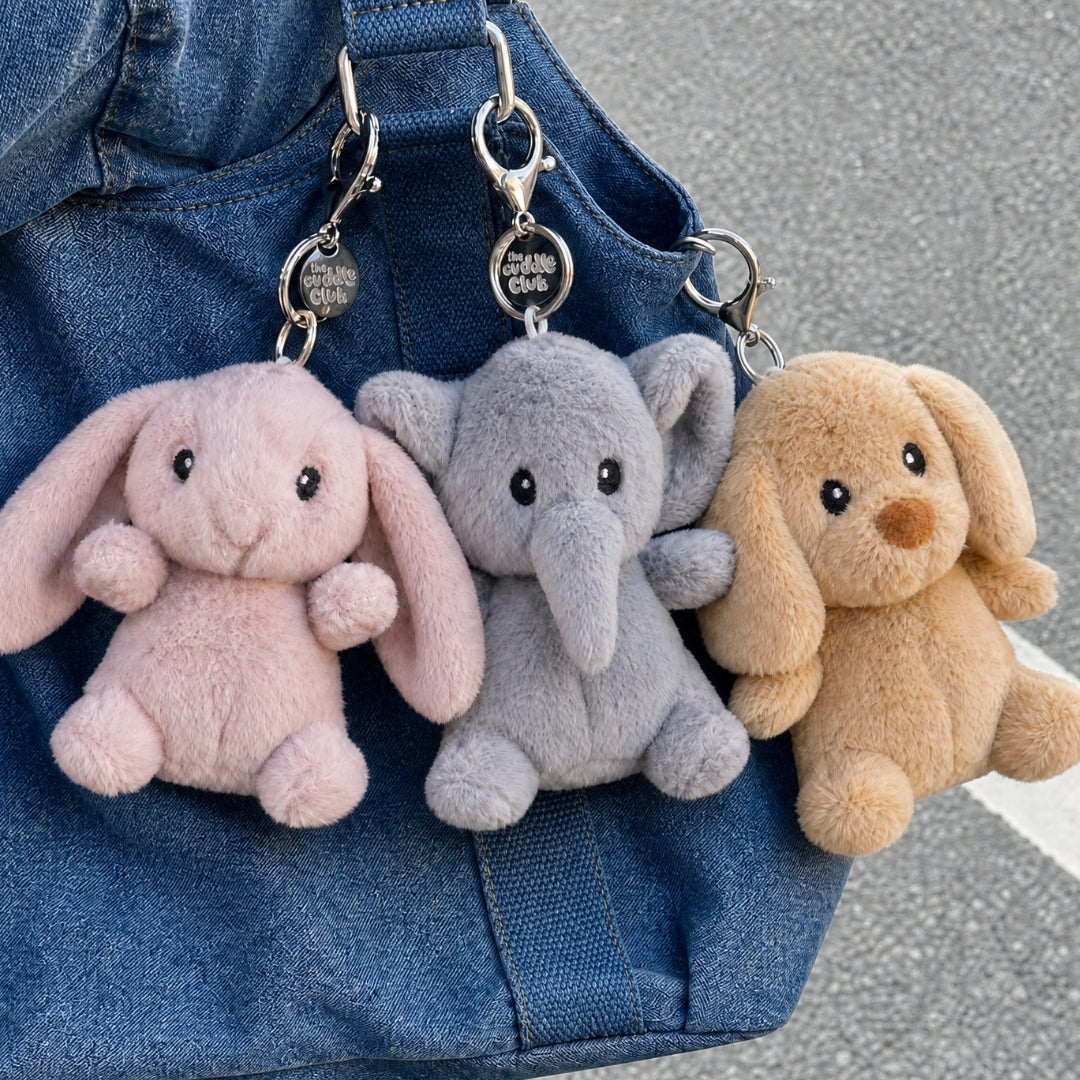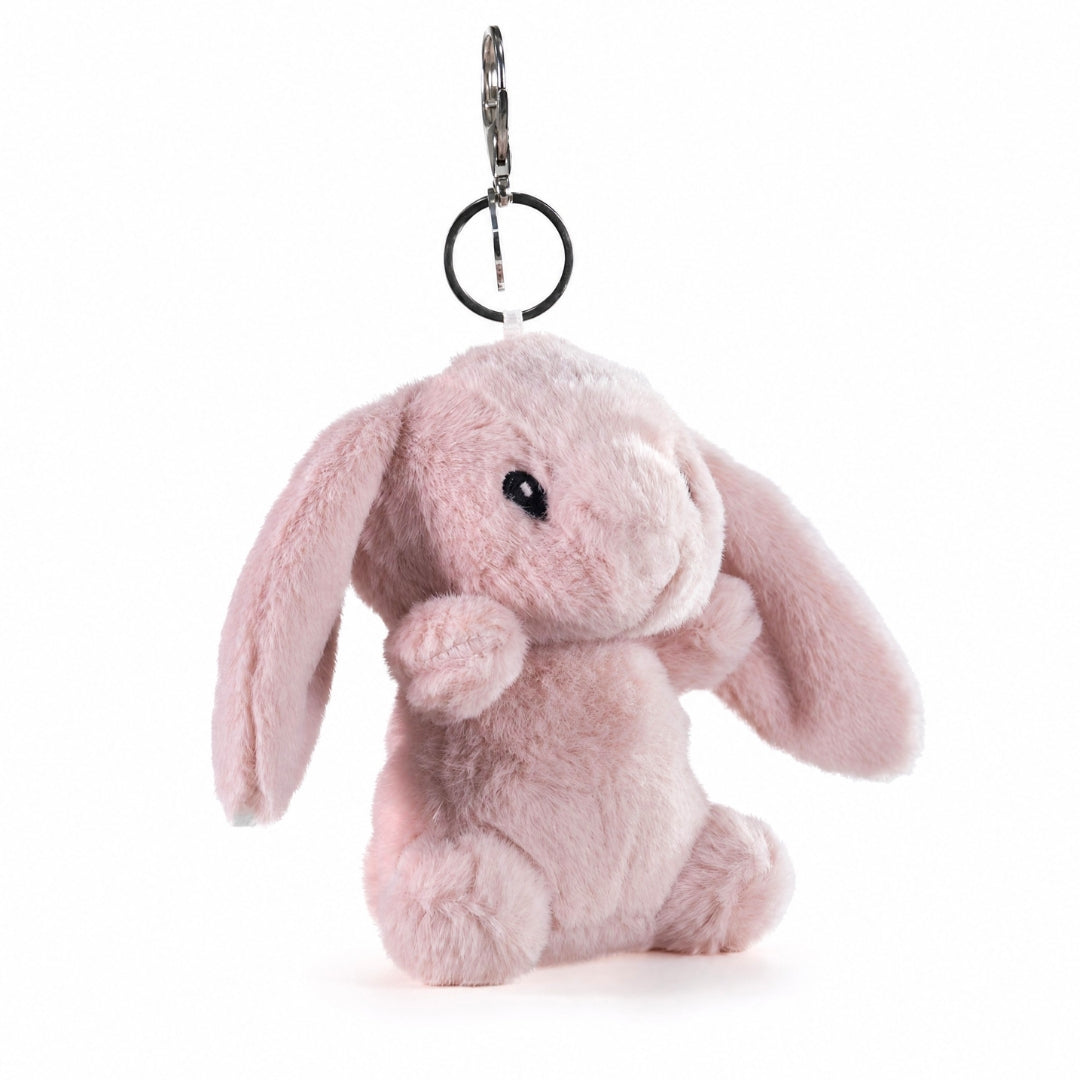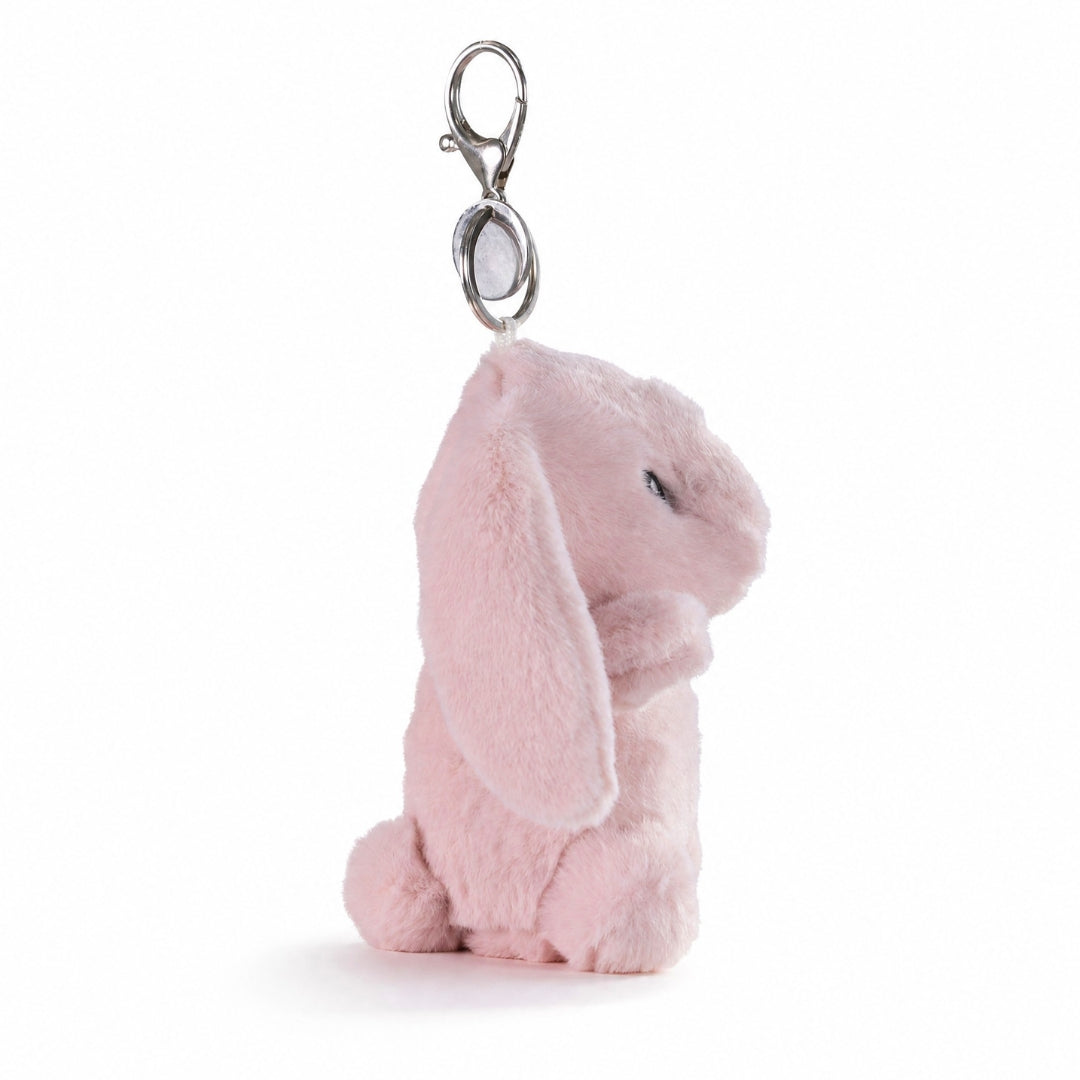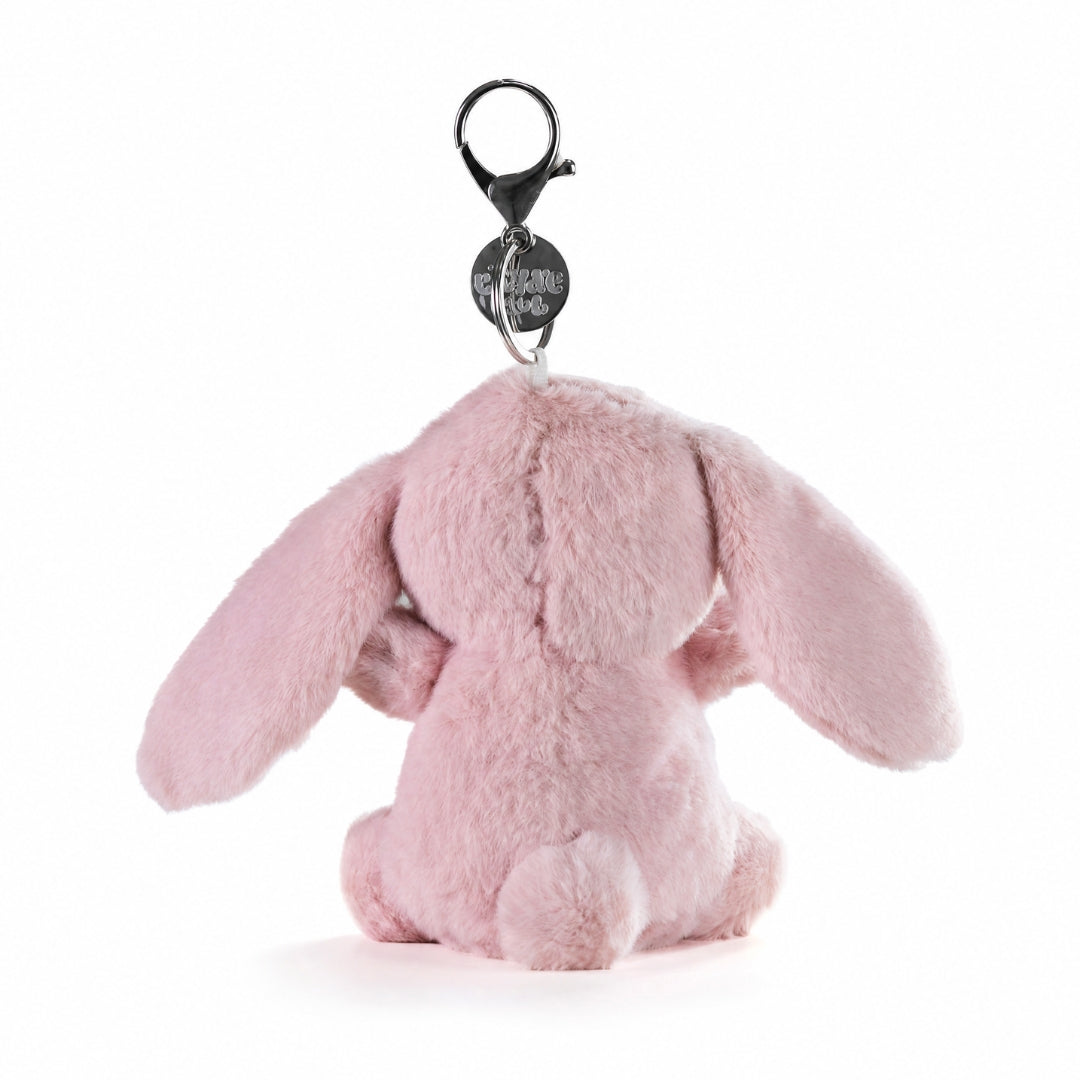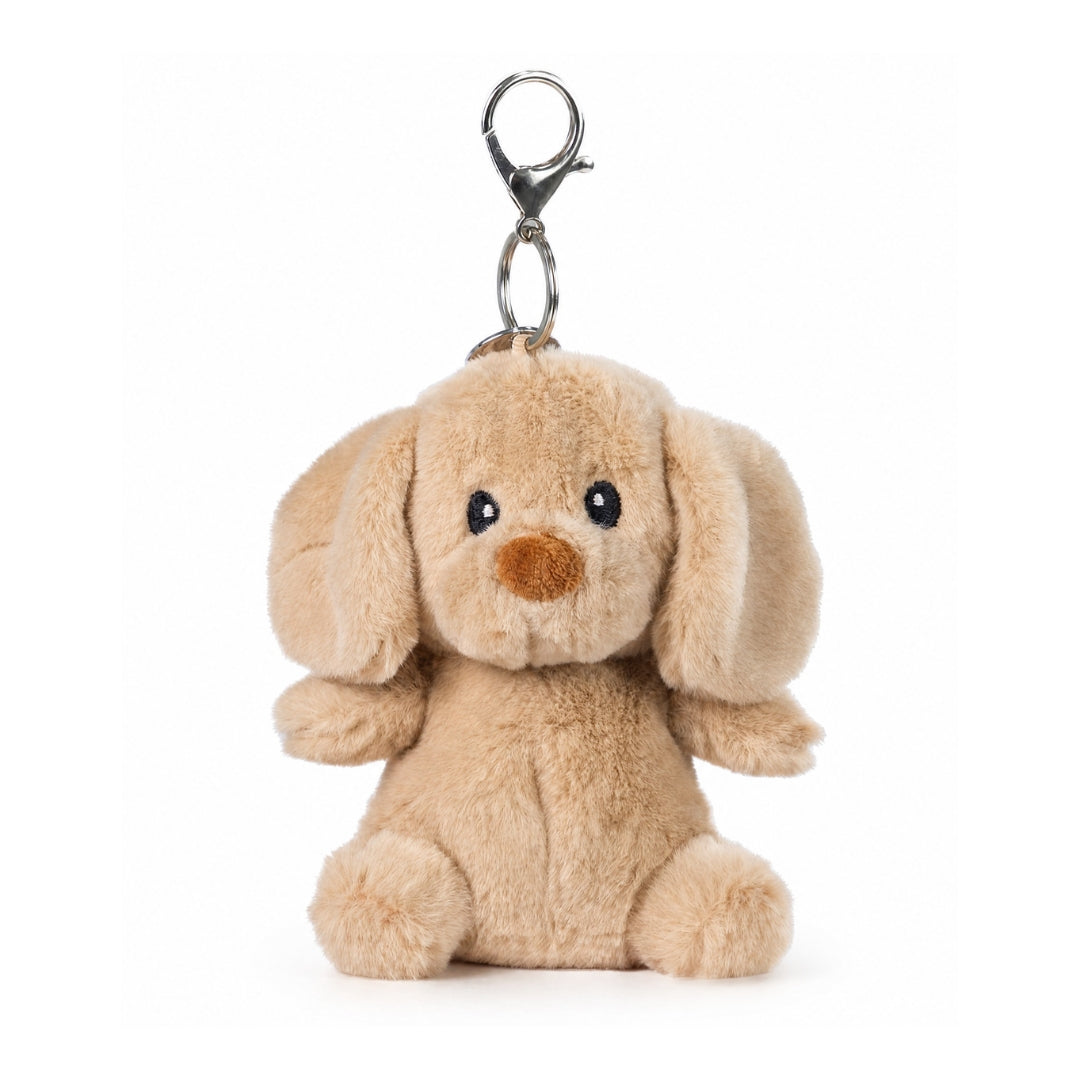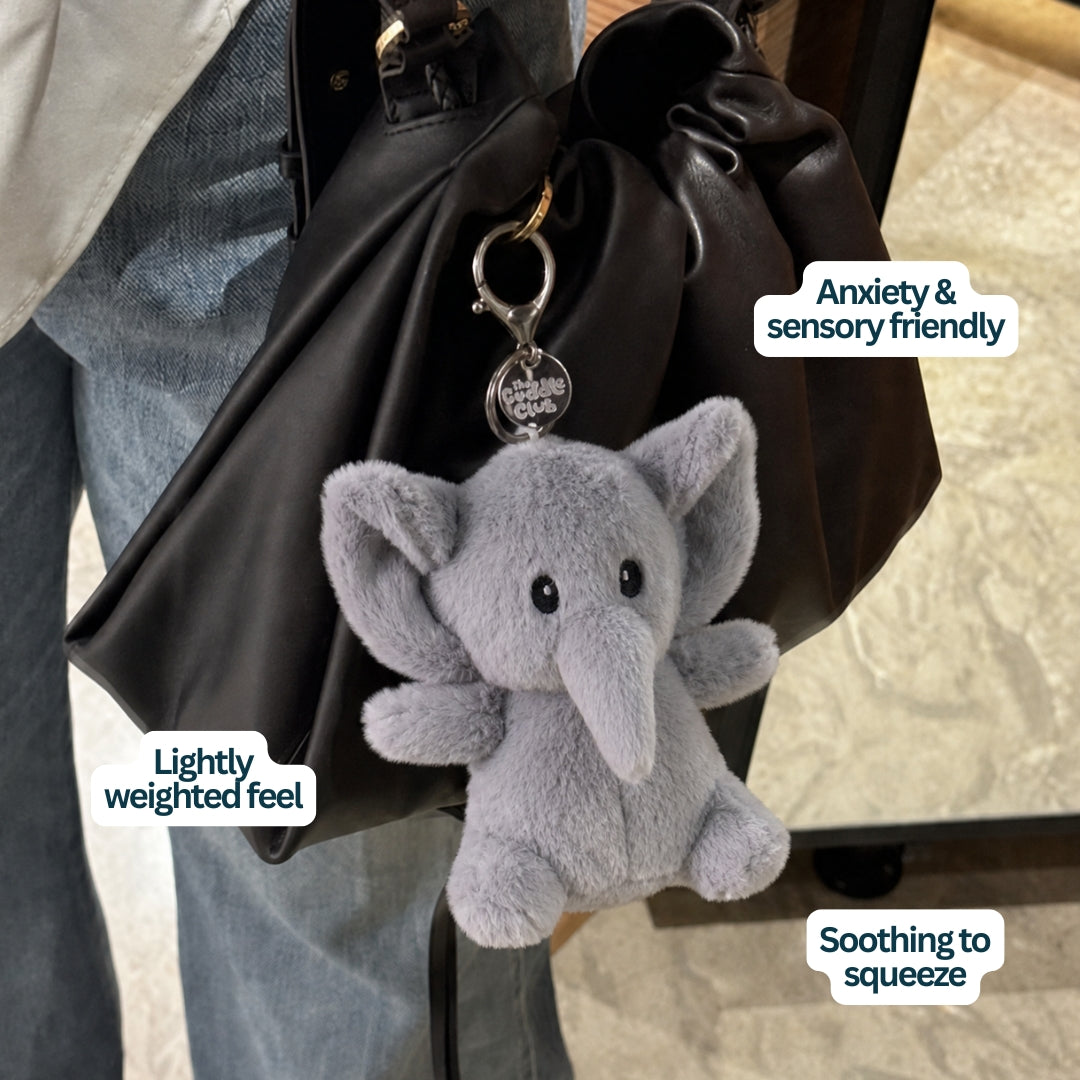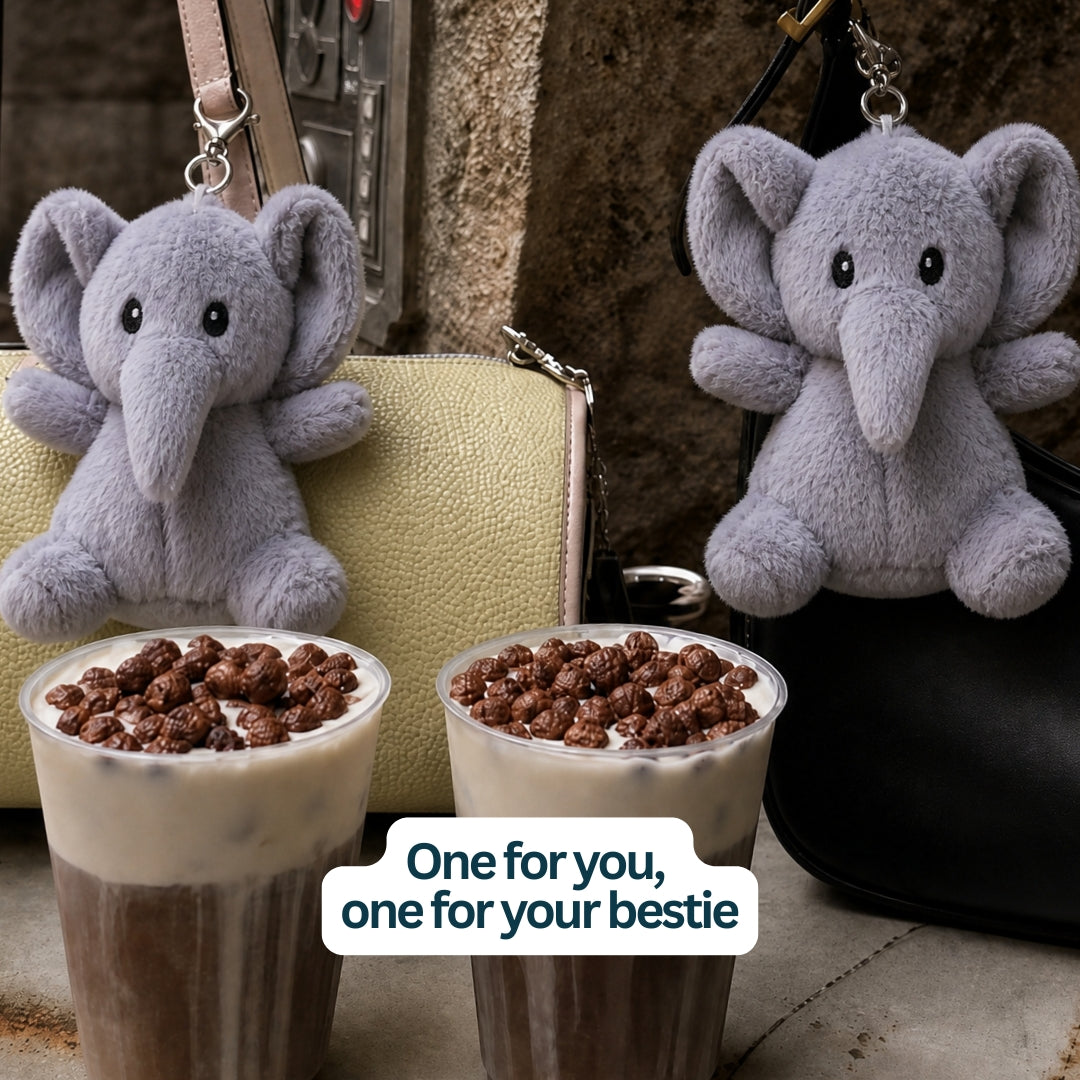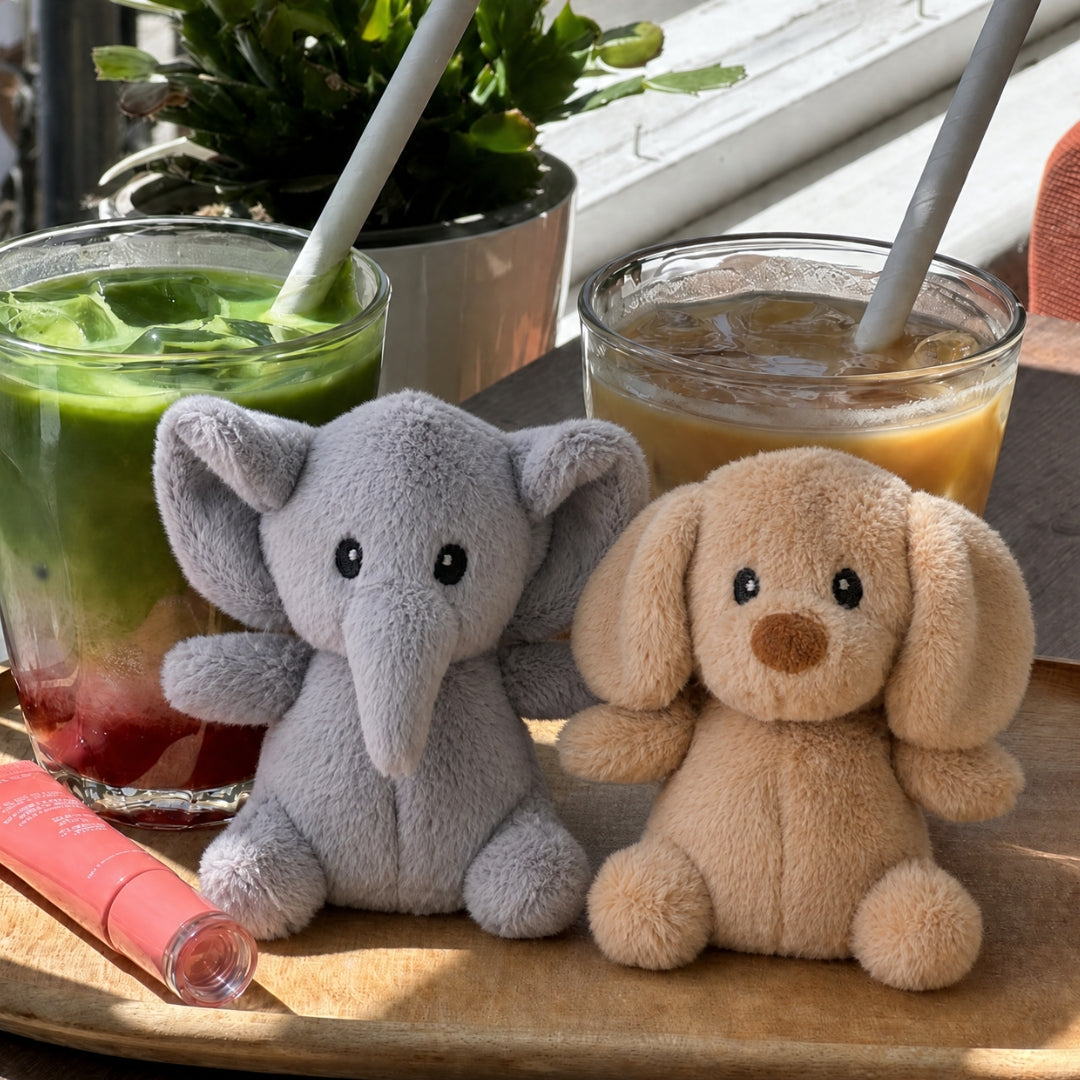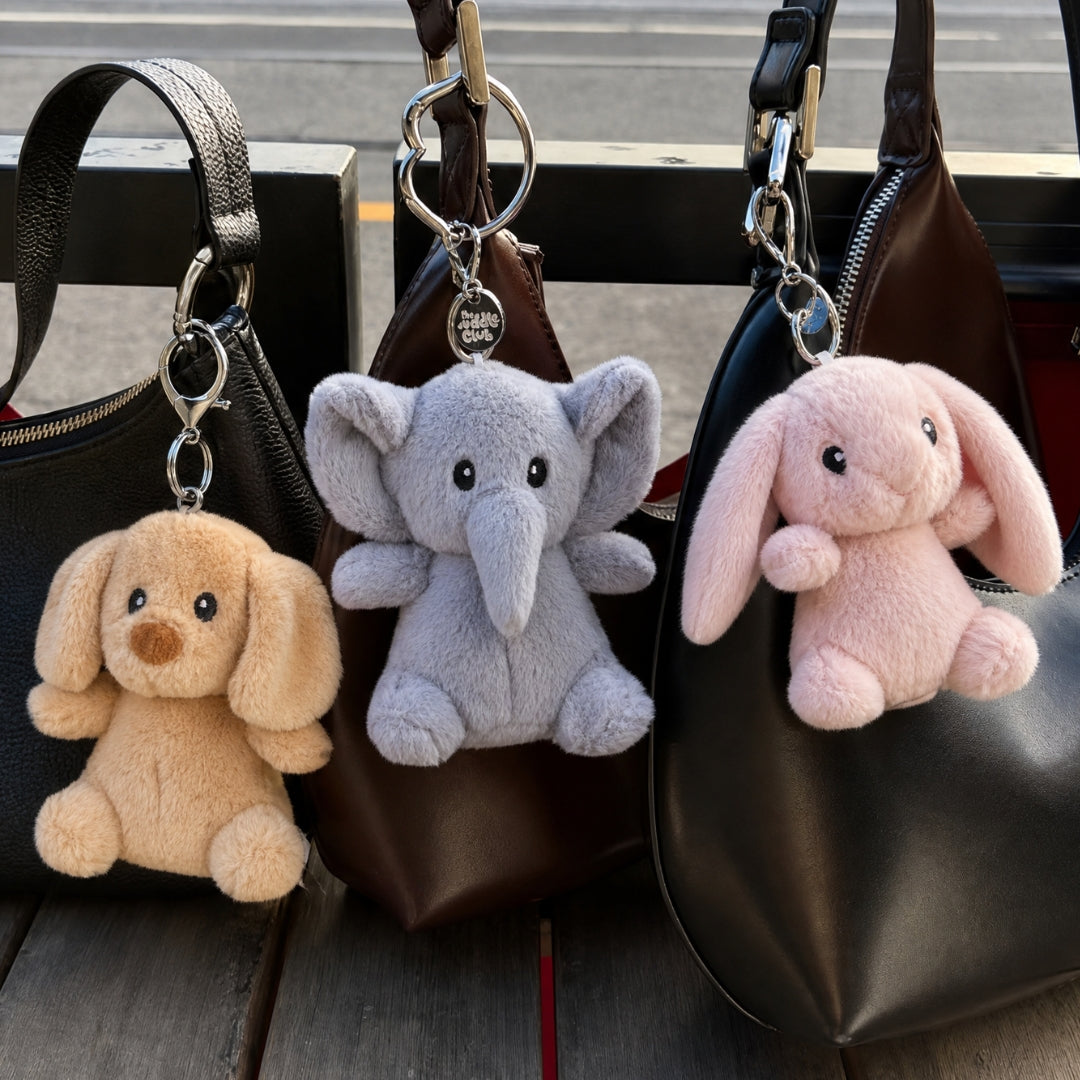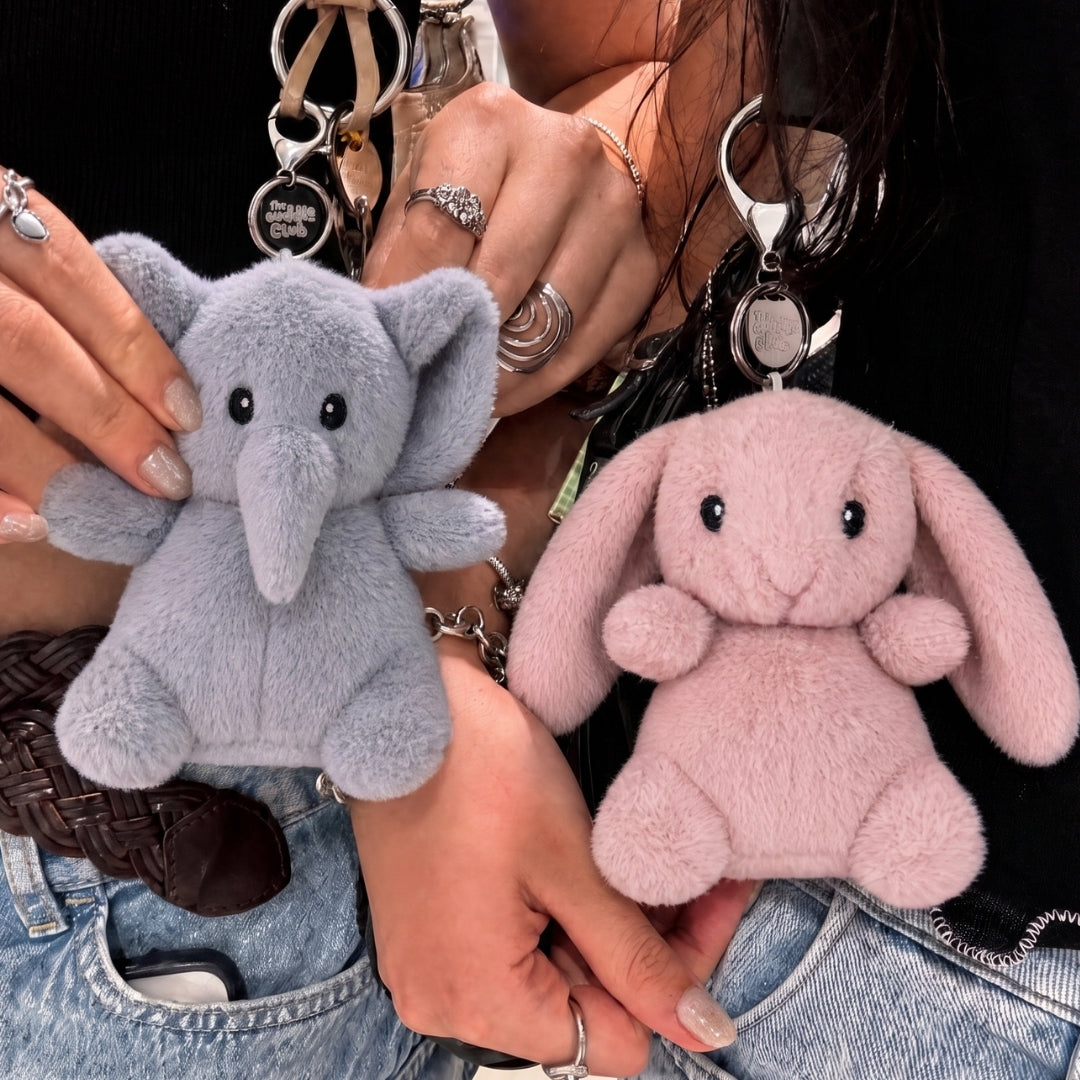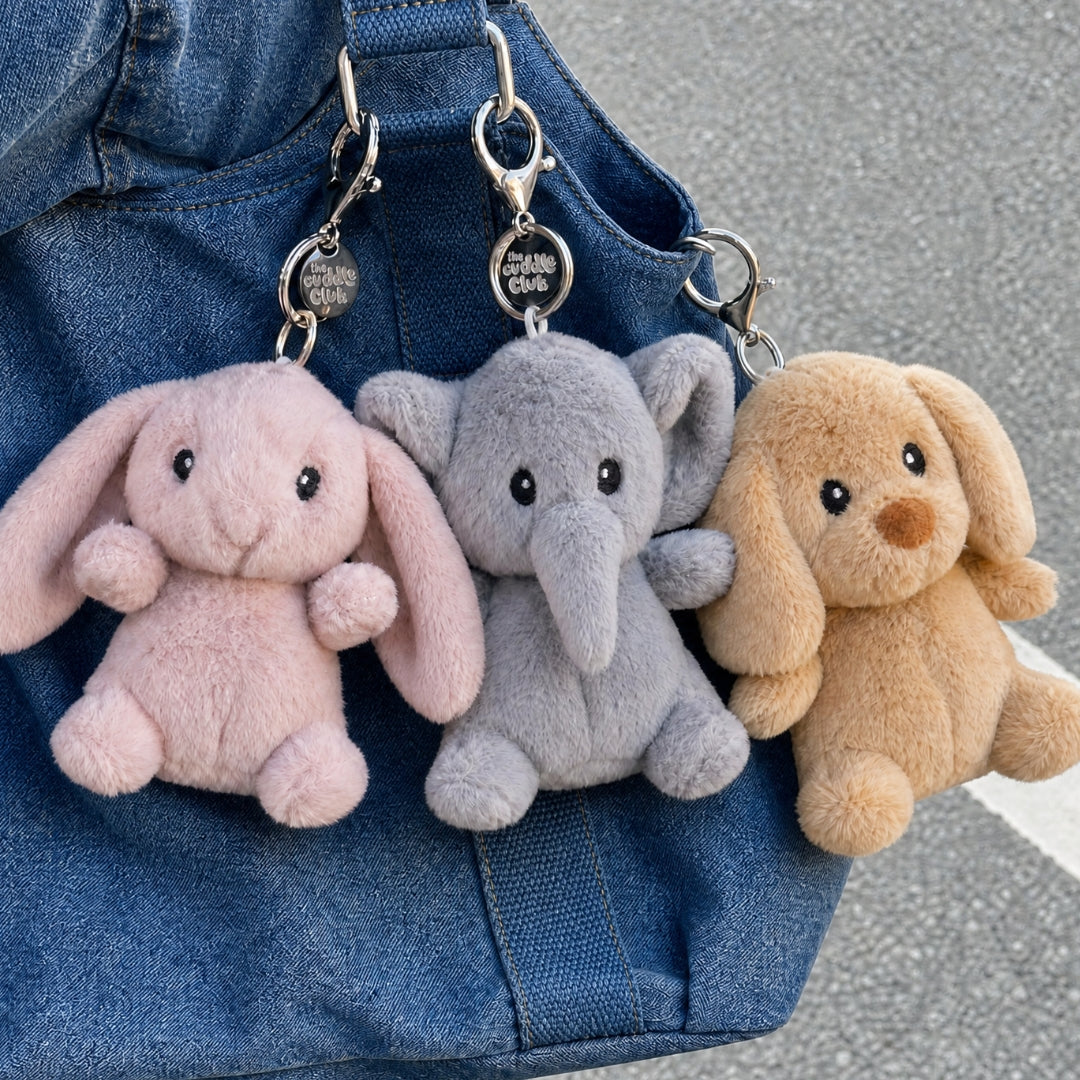

What age they suit, how heavy is safe, and what to look for, sorted out honestly and by age.
- A weighted plush is generally considered suitable for children aged two and over. It should never be placed on or near a sleeping baby.
- The most important safety rule is simple: a child should be able to lift the weight off and move it themselves, and it should never rest on the face or airway.
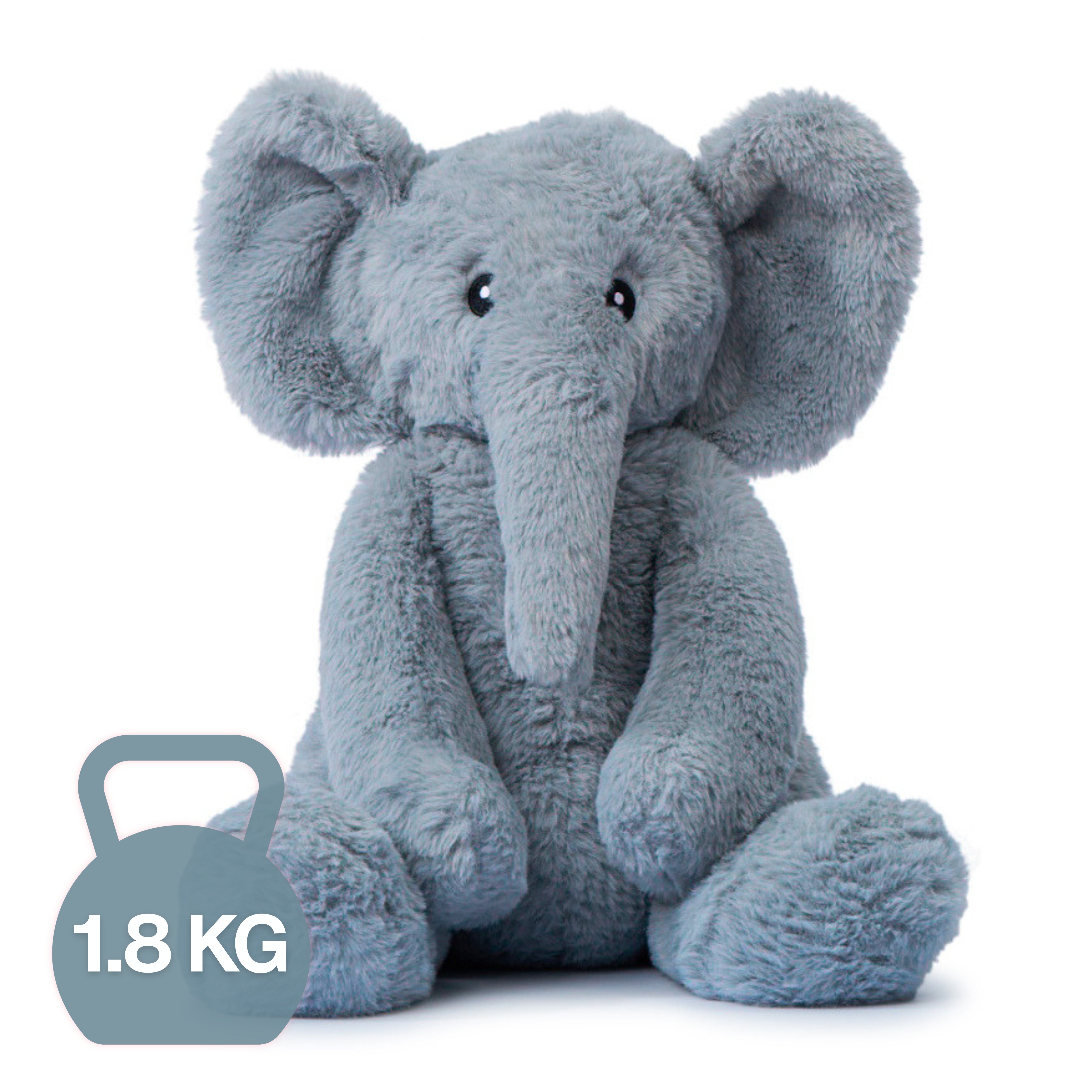
- The “about 10% of body weight” figure you may have read comes from weighted blankets. Our Cuddle Pals are a single 1.8 kg, light enough for most school-aged children to reposition on their own.
- Look for genuine toy-safety certification, securely sealed weight, and soft embroidered features with no small, hard parts.
- Deep-pressure input may support calm and focus for some children, but it is a small everyday comfort, not a treatment. See an occupational therapist if sensory needs are affecting daily life.
We spent close to twelve months testing before we settled on 1.8 kg, and found the same weight suited both adults and children: heavy enough to feel grounding, never so heavy that a child cannot lift it off.
If you have gone looking for a weighted plush for your child, you have probably run into two very different messages. Parenting groups, occupational therapists and glowing reviews describe weighted companions as a lovely way to help a child feel calm and settled. Then, almost in the same breath, you find safety authorities warning that weighted products should never go near a sleeping baby. Both of those things are true, which is exactly why it feels so confusing.
The confusion comes from treating “children” as one group. A newborn and a seven-year-old are worlds apart, and advice that is essential for one can be irrelevant for the other. Choosing a weighted plush for kids should not mean decoding mixed signals, so this guide does the sorting for you: which advice applies at which age, how heavy is genuinely safe for a smaller body, and what separates a well-made companion from one to leave on the shelf. We make and sell these, so we will be plain about what they can offer and honest about where the firm lines are.
Are weighted plush safe for children?
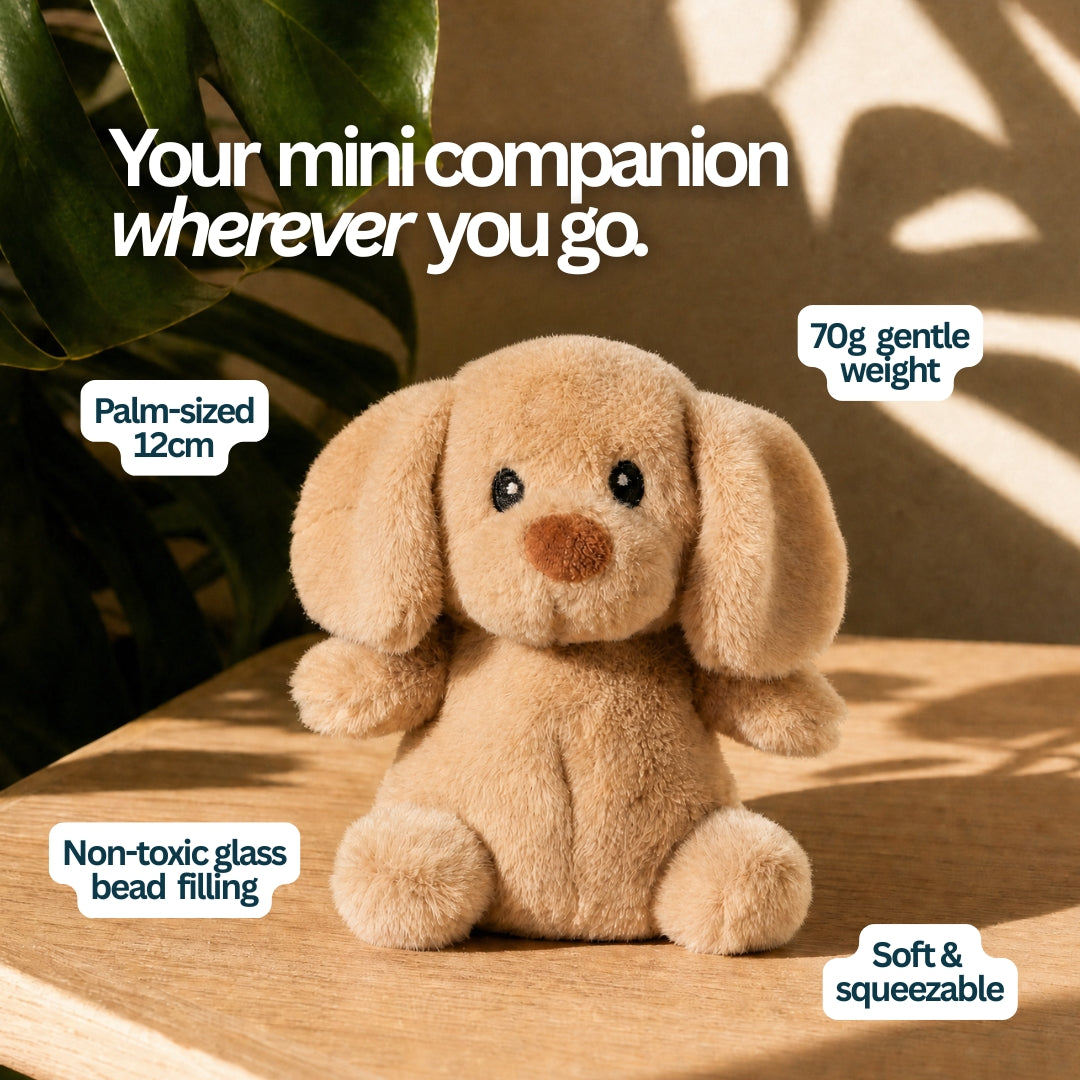
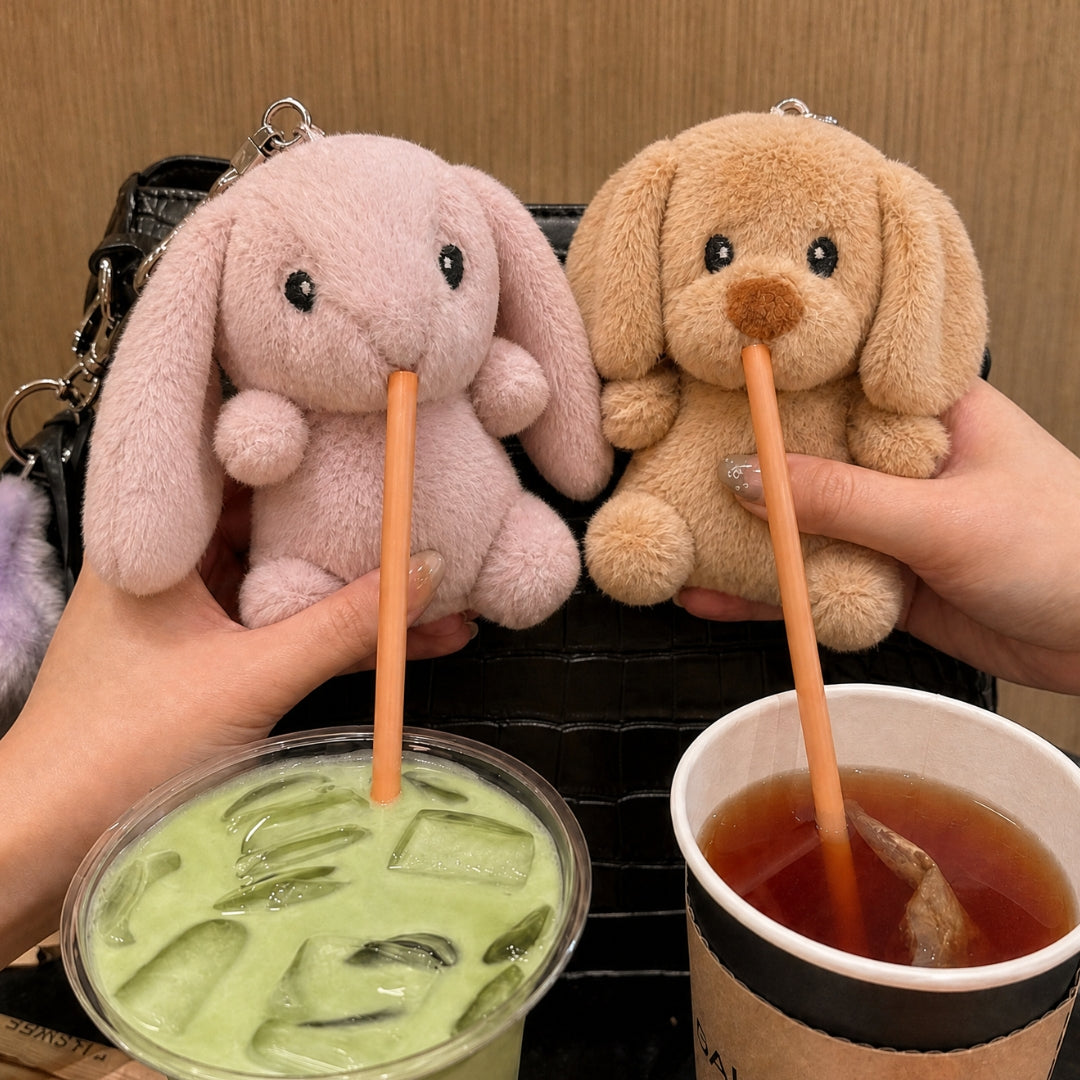
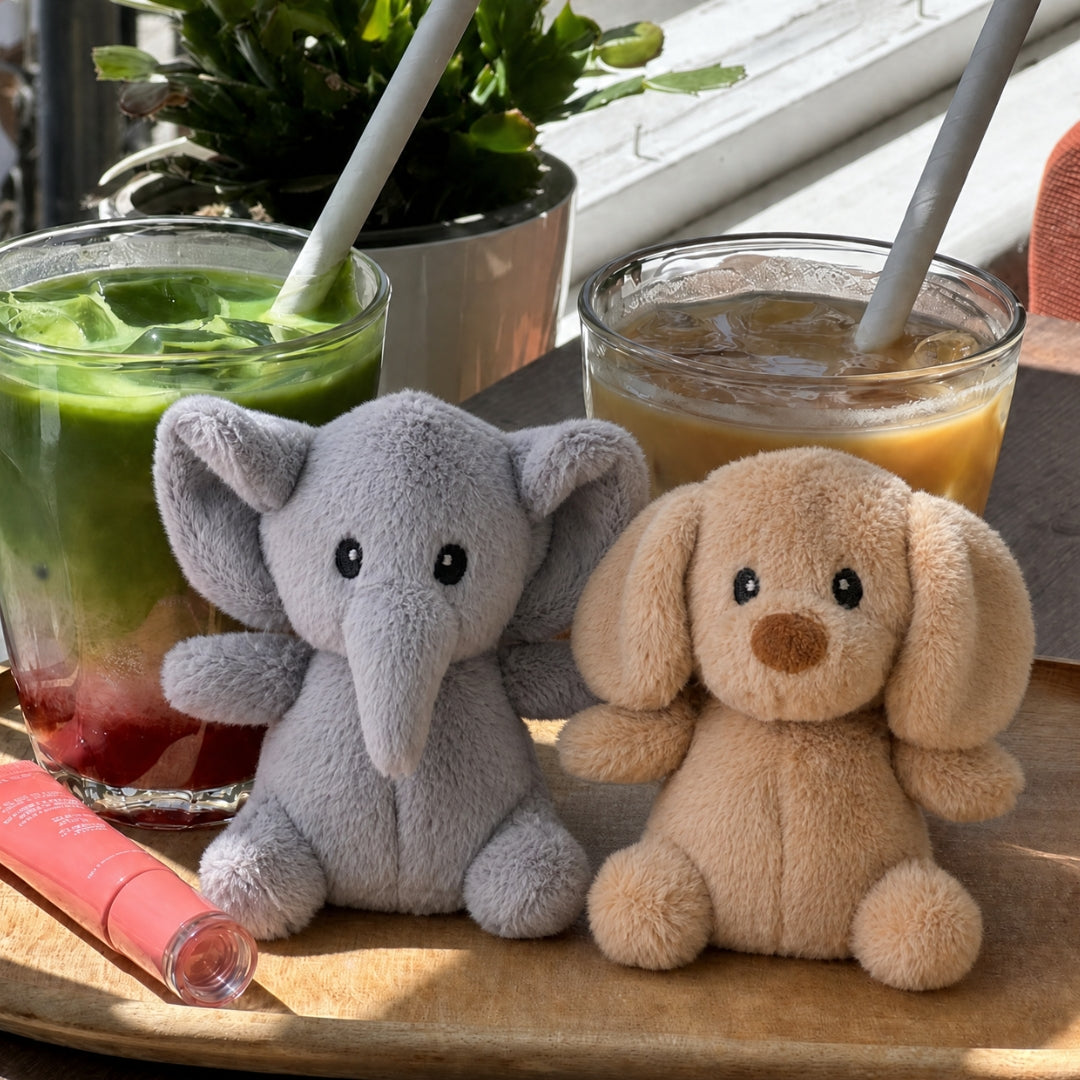
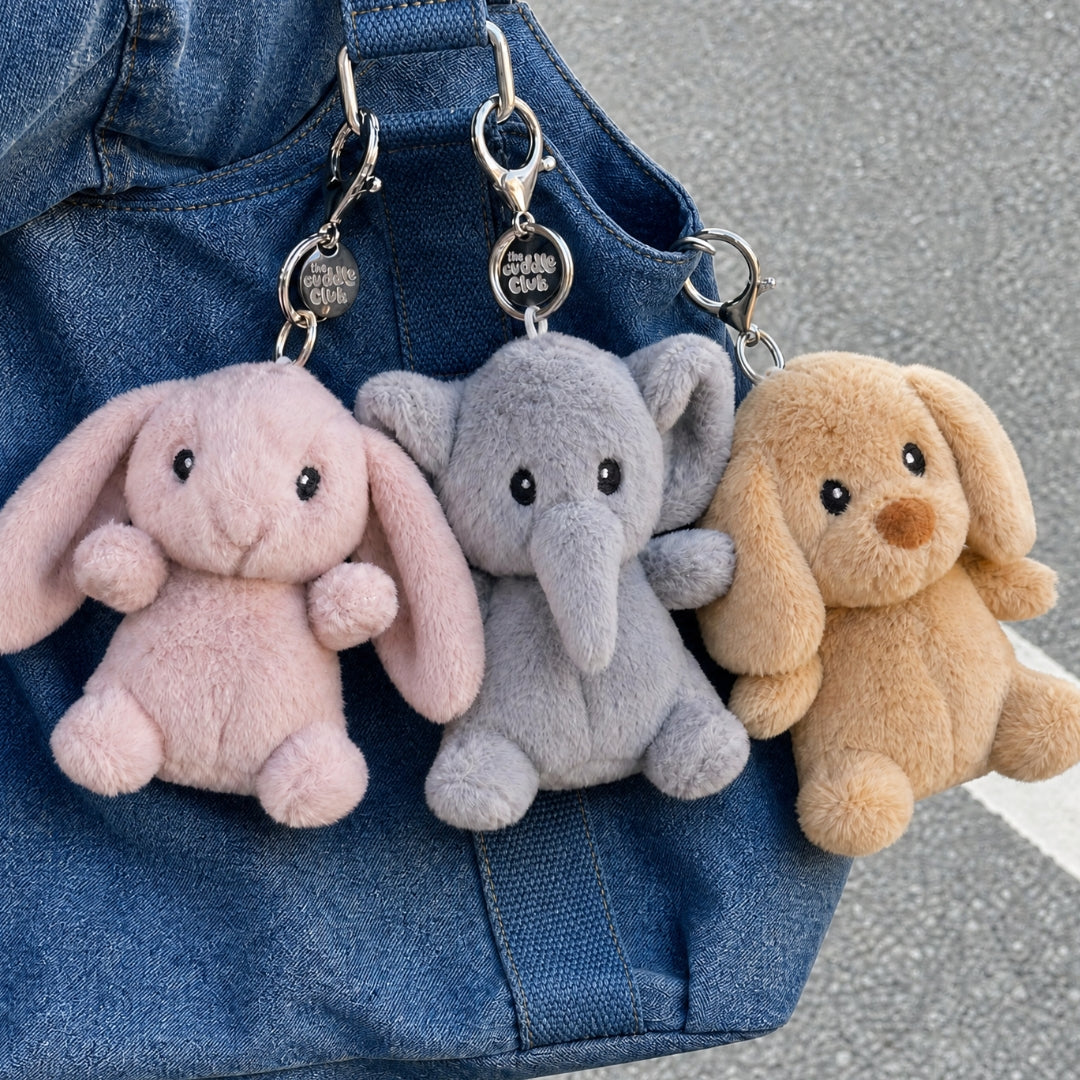
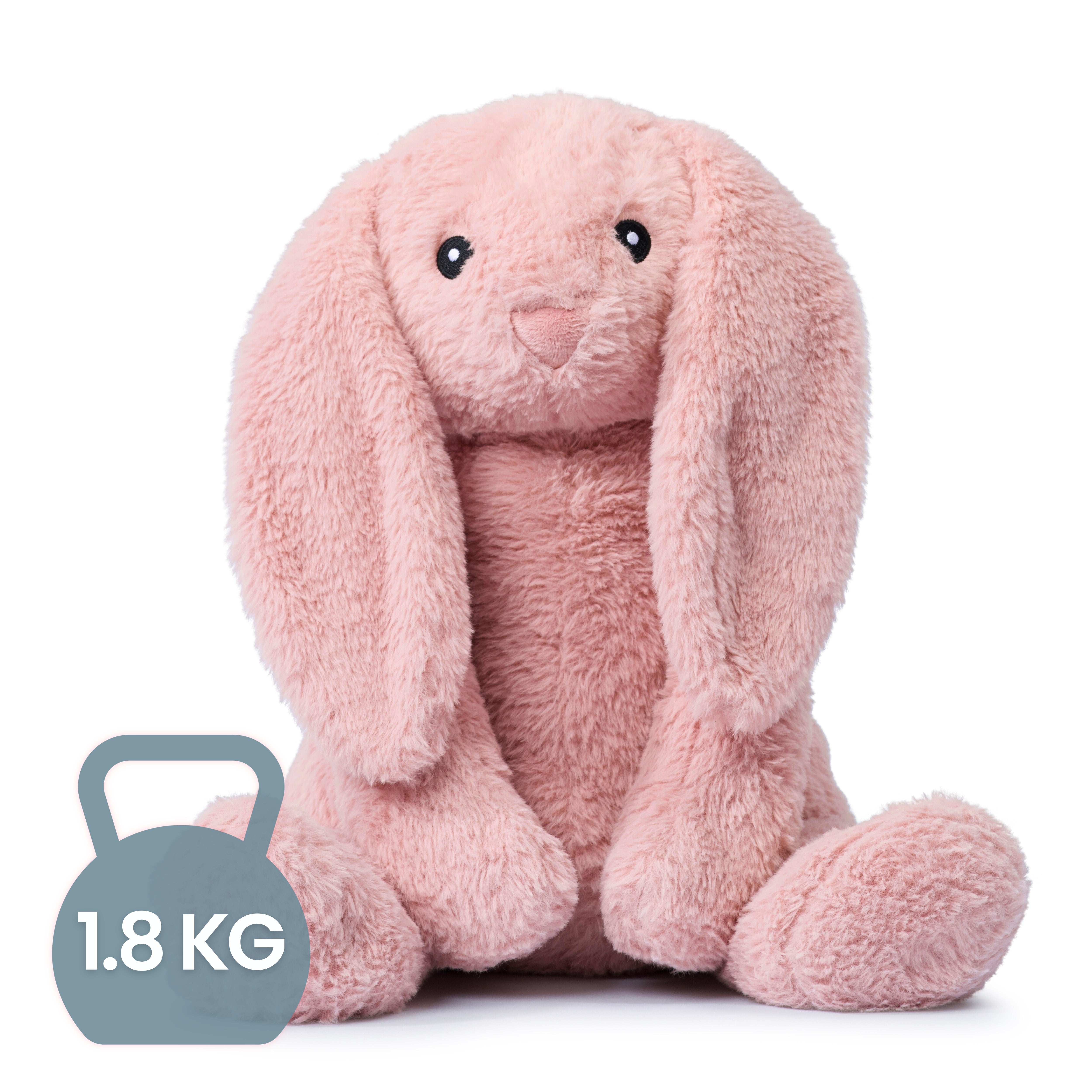
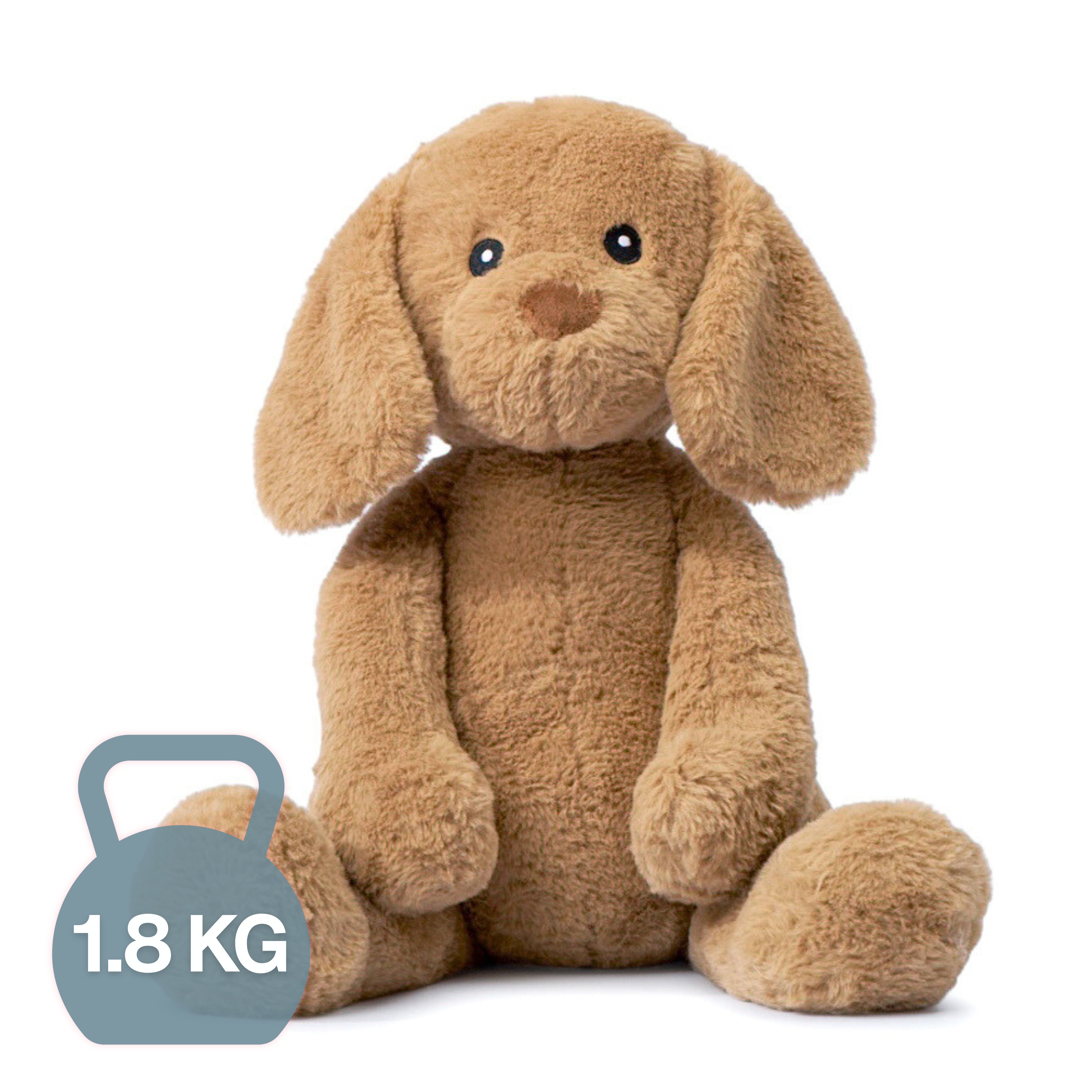
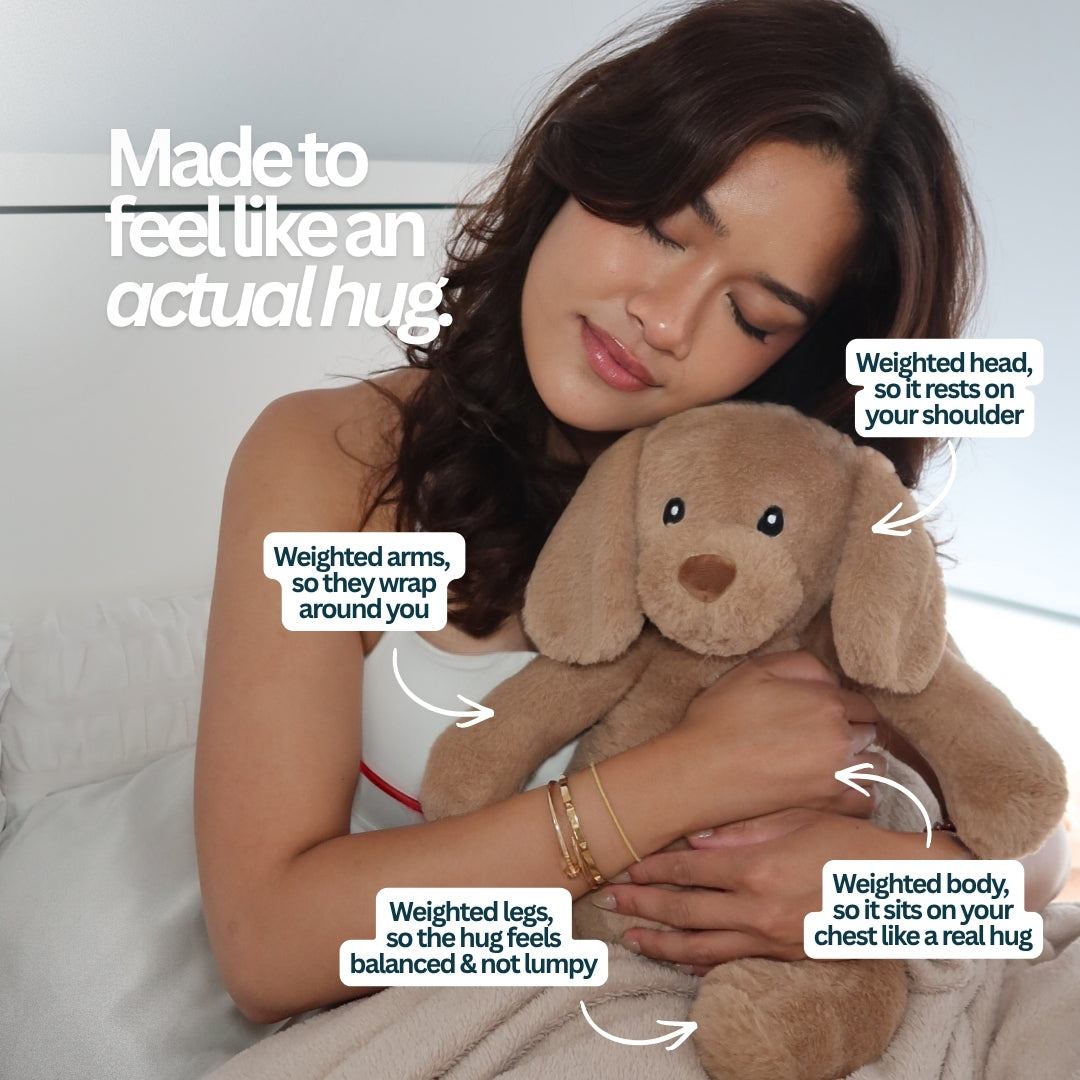
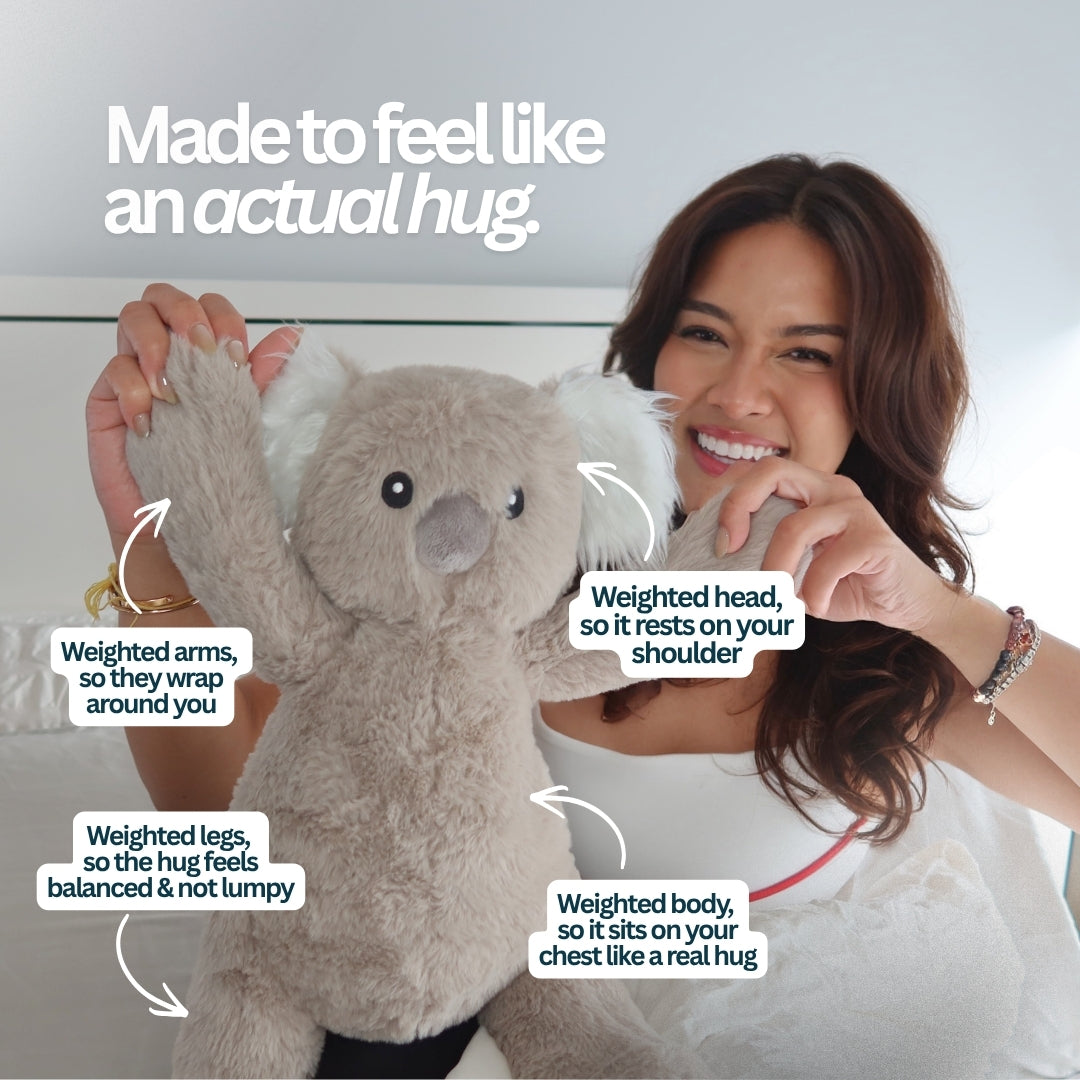
For most children over the age of two, a well-made weighted plush is considered a safe, gentle comfort item, used the way any cuddly companion is used: held, carried, and rested on the lap or chest. A weighted plush, sometimes called a weighted stuffed animal, is a soft toy filled with a gentle weight, usually fine glass beads, so that holding it feels less like holding a light toy and more like a steady, hug-like pressure. We call ours a Cuddle Pal, and each one weighs a deliberate 1.8 kg. That weight is the whole point: it is what makes resting one on your lap feel like being held back.
The safety picture changes completely at the youngest end. Weighted products of any kind, including weighted plush, blankets and sleep sacks, are not safe for babies, and should never be placed on or near a sleeping infant. In Australia, Red Nose warns against weighted sleep products for babies because added weight on a small chest can interfere with breathing, and infant safe-sleep guidance internationally says the same. If you are shopping for a baby or a toddler under two, that is a different conversation with its own rules, and we have written it up separately in our guide to weighted plush safety for babies and toddlers. For the rest of this article, we are talking about children who are comfortably past that stage.
What age is a weighted plush suitable for?
As a general rule, a weighted plush is suitable from around age two and up, which is the recommended minimum age for our Cuddle Pals and a common threshold for weighted toys certified to recognised safety standards. But an age on a label is really shorthand for something more useful: developmental readiness. The question worth asking is not just “how old is my child,” but “can they handle this the way it is meant to be used?”
A child is ready for a weighted plush when they can comfortably pick it up, move it, and push it away without help. That single ability is what makes the weight safe rather than a hazard, because it means the child, not the object, stays in control. A confident three or four-year-old resting a Pal on their lap during story time is in a very different situation from a baby who cannot roll away from something placed on them. Between roughly two and five, the sensible approach is supervised, hands-on use: the Pal is something to hug on the couch or carry to the car, not something left in a cot. From school age onwards, most children can use one much as an adult would, including keeping it on the bed, provided they can move it freely.
It is also worth watching your own child rather than the calendar. Some kids take to the weight straight away and reach for it whenever they feel wound up. Others find it too much and prefer a lighter cuddle, and that is completely fine. A weighted plush is one option among many, never a requirement, and the best sign it suits your child is simply that they choose it
If you have researched weighted products before, you have almost certainly met the “about 10% of body weight” guideline. It is a reasonable rule of thumb, but it is worth understanding where it comes from. That figure was developed for weighted blankets, which lie across most of the body for long stretches, including during sleep. A weighted plush is a different thing entirely. It is small, you rest it on the lap or chest, and it covers very little of the body, so the blanket maths does not transfer neatly.
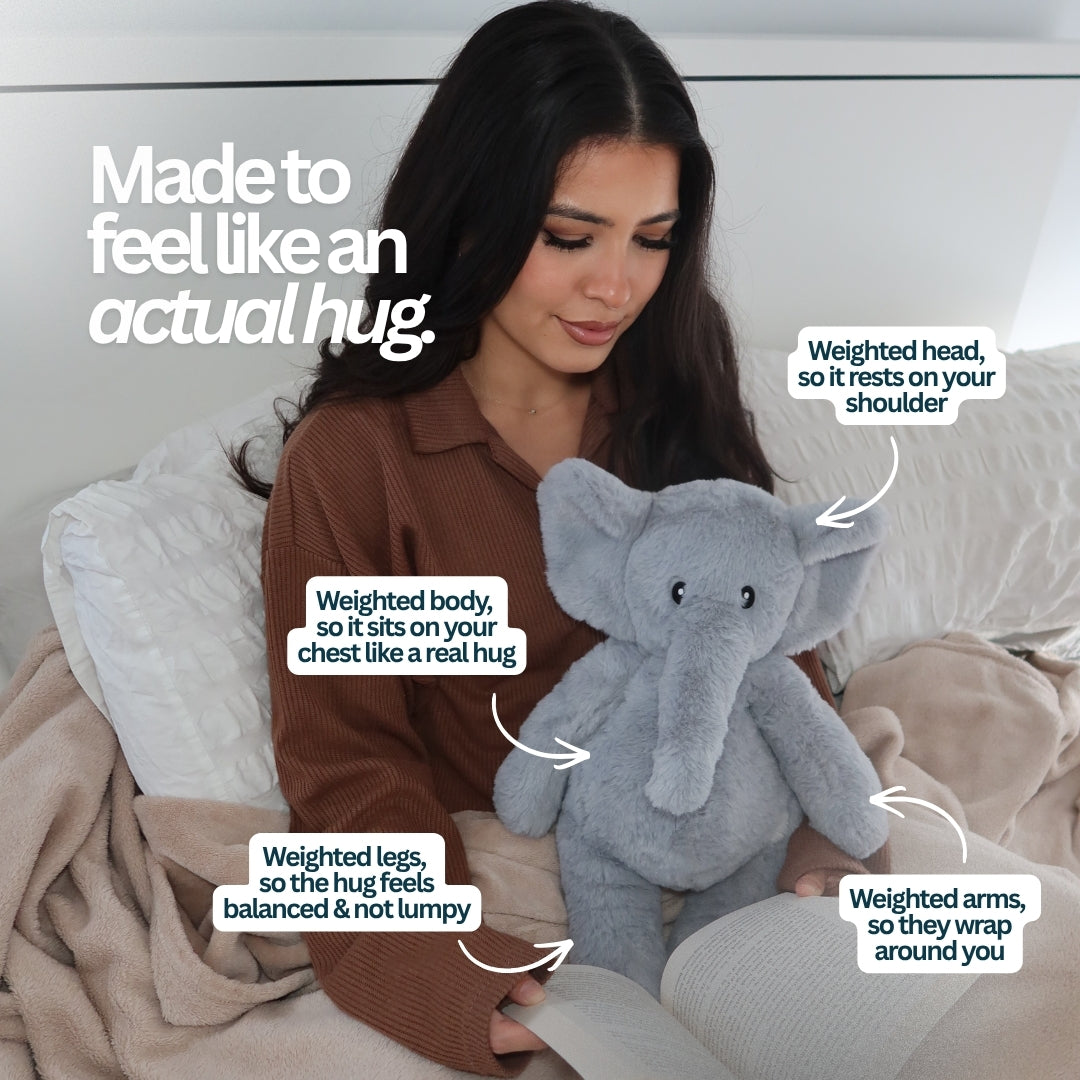
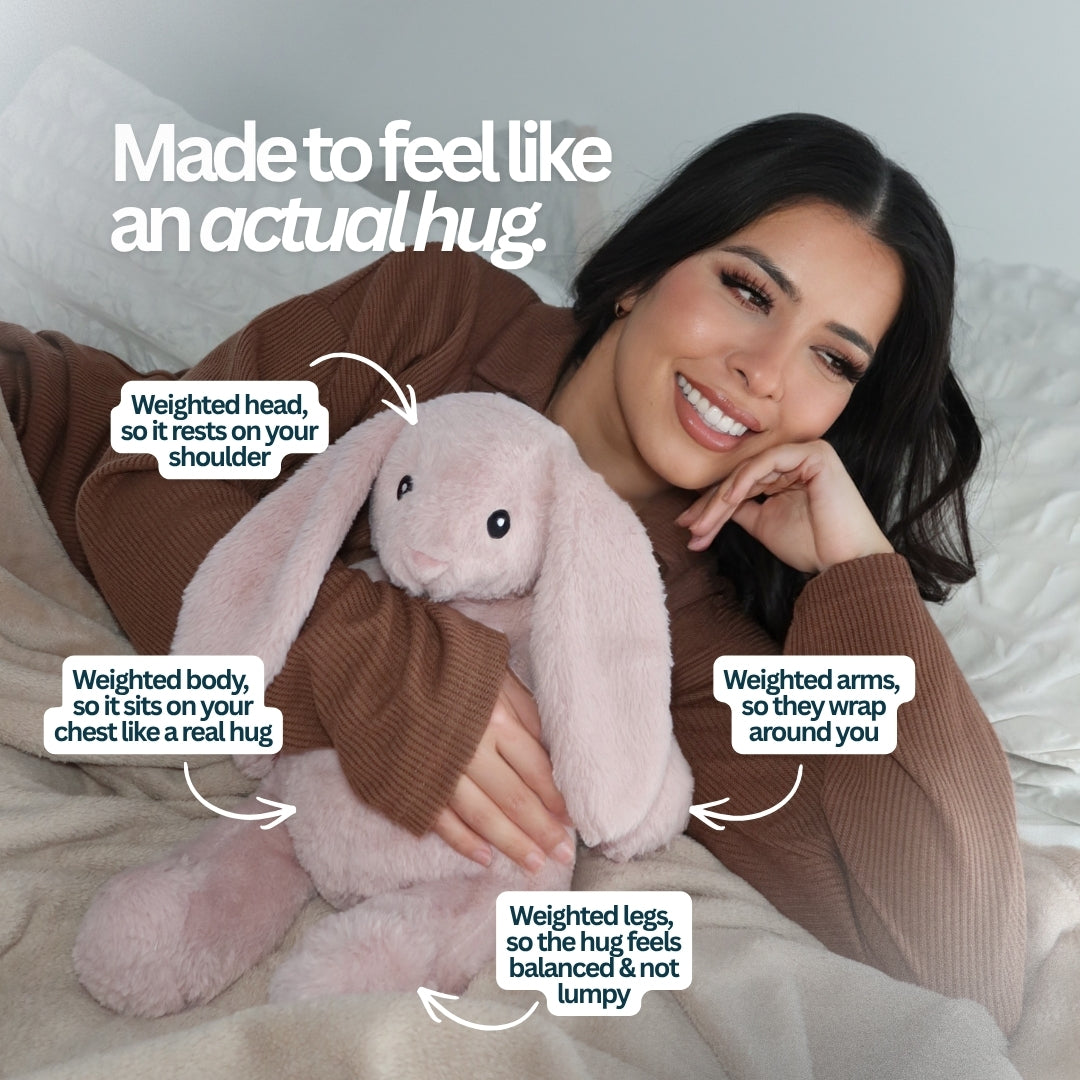
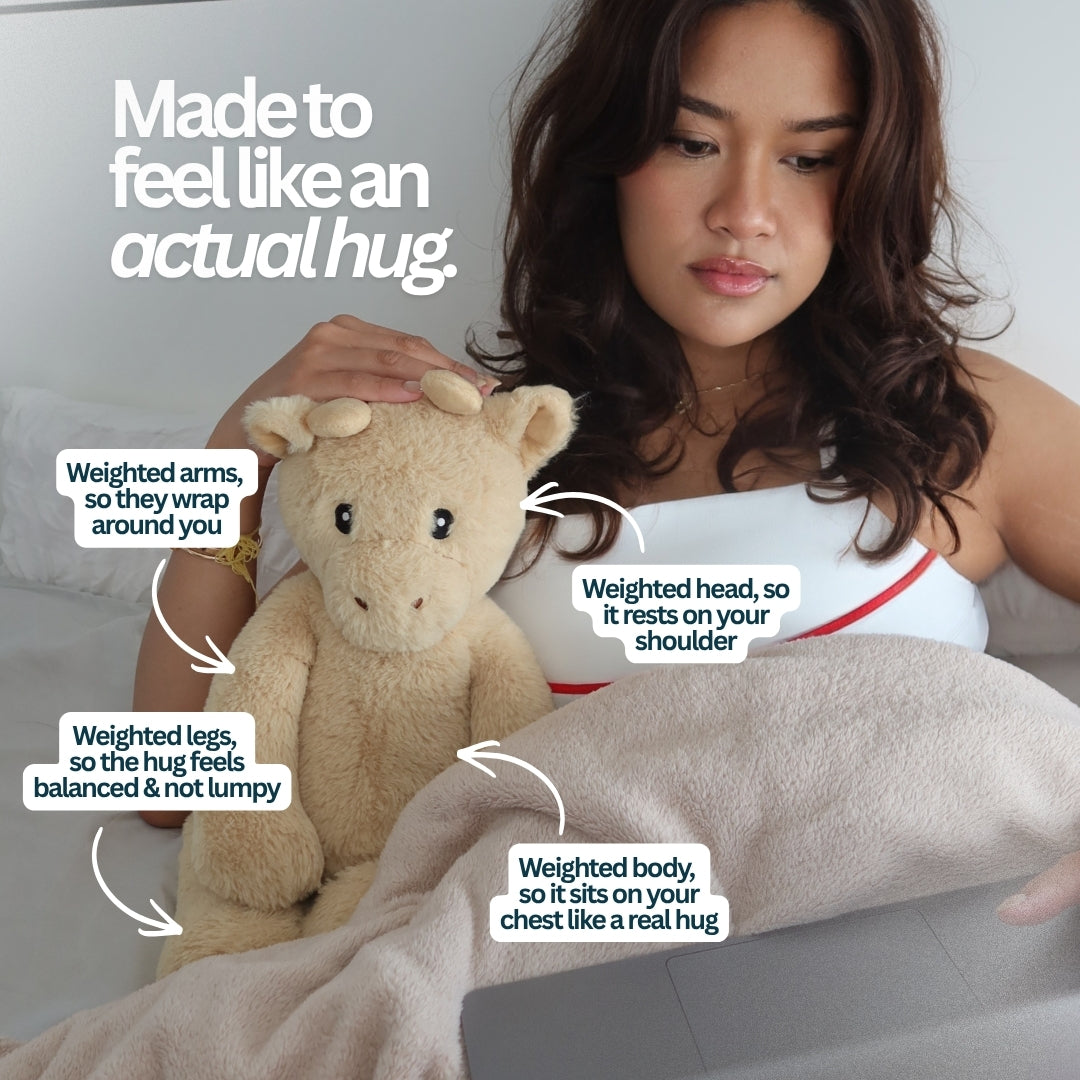
This is why our Cuddle Pals are a single, fixed 1.8 kg rather than a range of sizes matched to body weight. We arrived at that number after close to twelve months of testing, looking for a weight that felt calming and grounding without ever tipping into restrictive, and we found the same 1.8 kg suited both adults and children. Fine glass beads are placed across the limbs and body so the weight is carried evenly, like a real hug, rather than pooling in one heavy spot. For a smaller child, the practical answer is not a calculation but a behaviour: rest the Pal on the lap or beside them for shorter, comfortable stretches, and let them set the pace.
The honest test for whether a weight is right for your child has nothing to do with a percentage. If your child can lift it, carry it and move it off themselves easily, and they find it soothing rather than heavy or trapping, the weight is working as intended. If it feels like too much for them, it is too much, no matter what a formula says.
Safety rules for kids and weighted plush
Most of weighted-toy safety for children comes down to a short list of sensible habits. None of them are complicated, and together they cover almost everything a parent needs to think about.
Follow those and you have covered the ground that matters. The remaining piece of safety is in the plush itself, which is where good construction earns its keep.
What to look for in a safe weighted plush for kids
Not all weighted toys are made to the same standard, and with a product a child will hold close to their face, the details are worth checking. A few things separate a genuinely well-made companion from a cheaper one that can become a hazard.
Real toy-safety certification. A weighted plush intended for children should be tested and certified to recognised toy-safety standards. Our Cuddle Pals are certified to the Australian and New Zealand toy-safety standard as well as UK, European, US and Canadian standards, and carry a recommended age of 2+. Certification is the baseline evidence that a toy has been checked for the things that matter with small children.
Securely sealed weight. The weight should stay put and stay contained. In our Pals the fine glass beads are sealed inside inner bags within the limbs and body, so the weight does not shift, pool or leak, and our 12-month warranty specifically covers seam separation and weight-filling leakage. Loose beads or a single unsealed cavity are what you want to avoid.
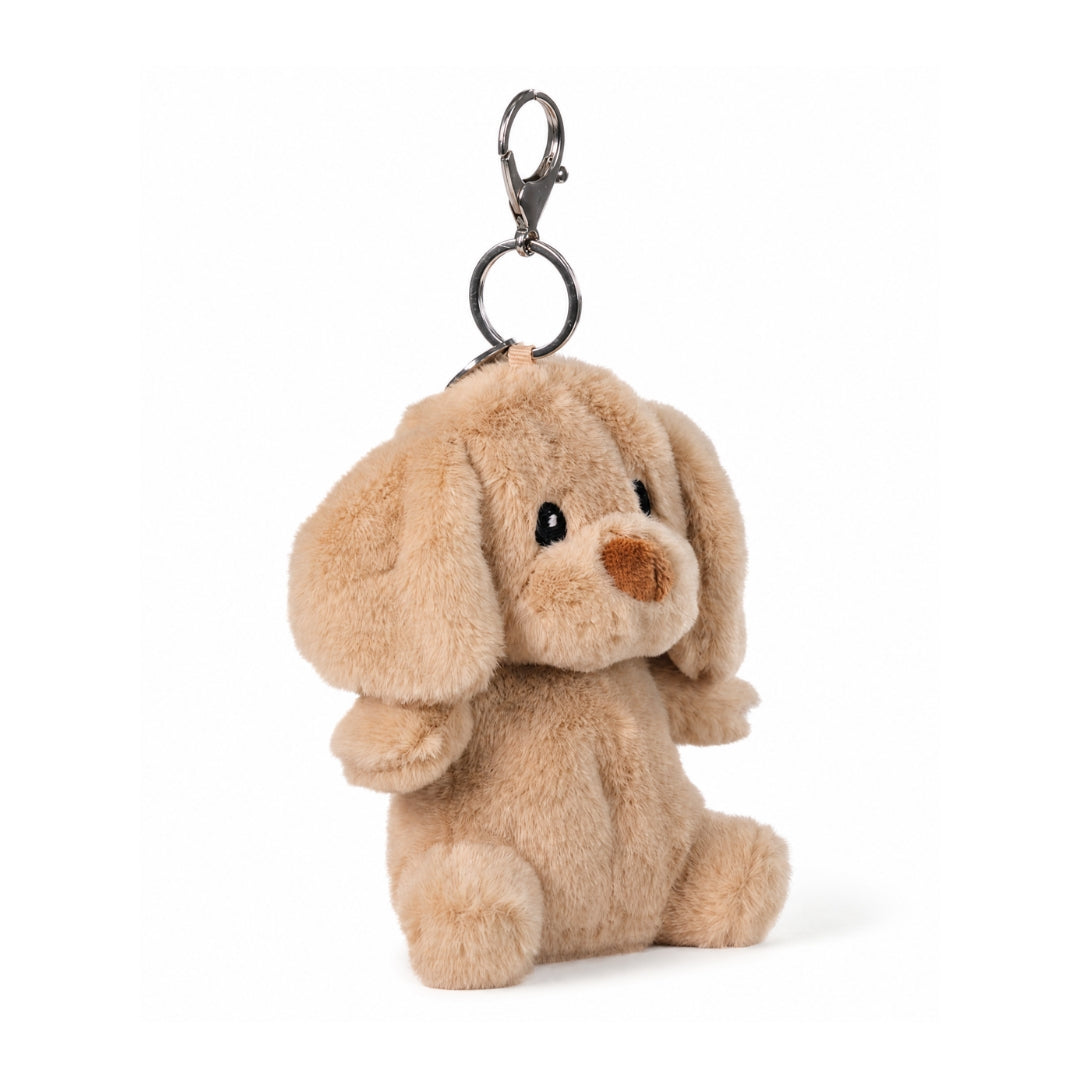
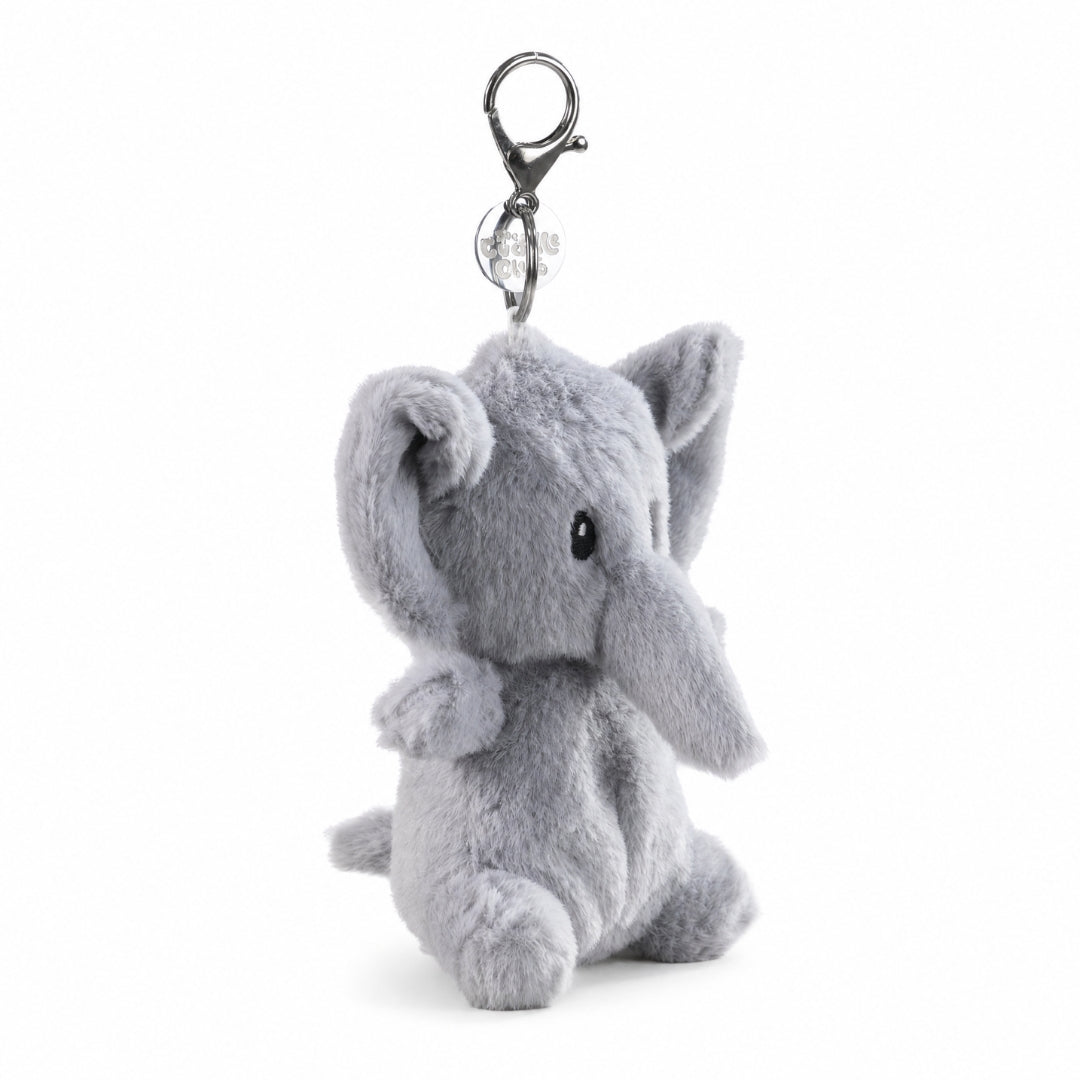
Soft features, no small hard parts. Look for embroidered eyes and stitched features rather than plastic buttons or glued-on pieces that a young child could pick at. Ours are hand-stitched with embroidered eyes for exactly this reason: soft to press a cheek against, with nothing small to come loose.
Kind on skin, easy to keep clean. A companion that gets carried everywhere needs to cope with real life. Our outer is a soft, hypoallergenic polyester, which means a reduced allergy risk though not a guarantee for a highly sensitive child, and the micro glass-bead fill is quiet in use rather than the crinkly rustle of cheaper poly-pellet fills. Being able to clean it easily matters more than any spec sheet, so it stays fresh through everyday use.

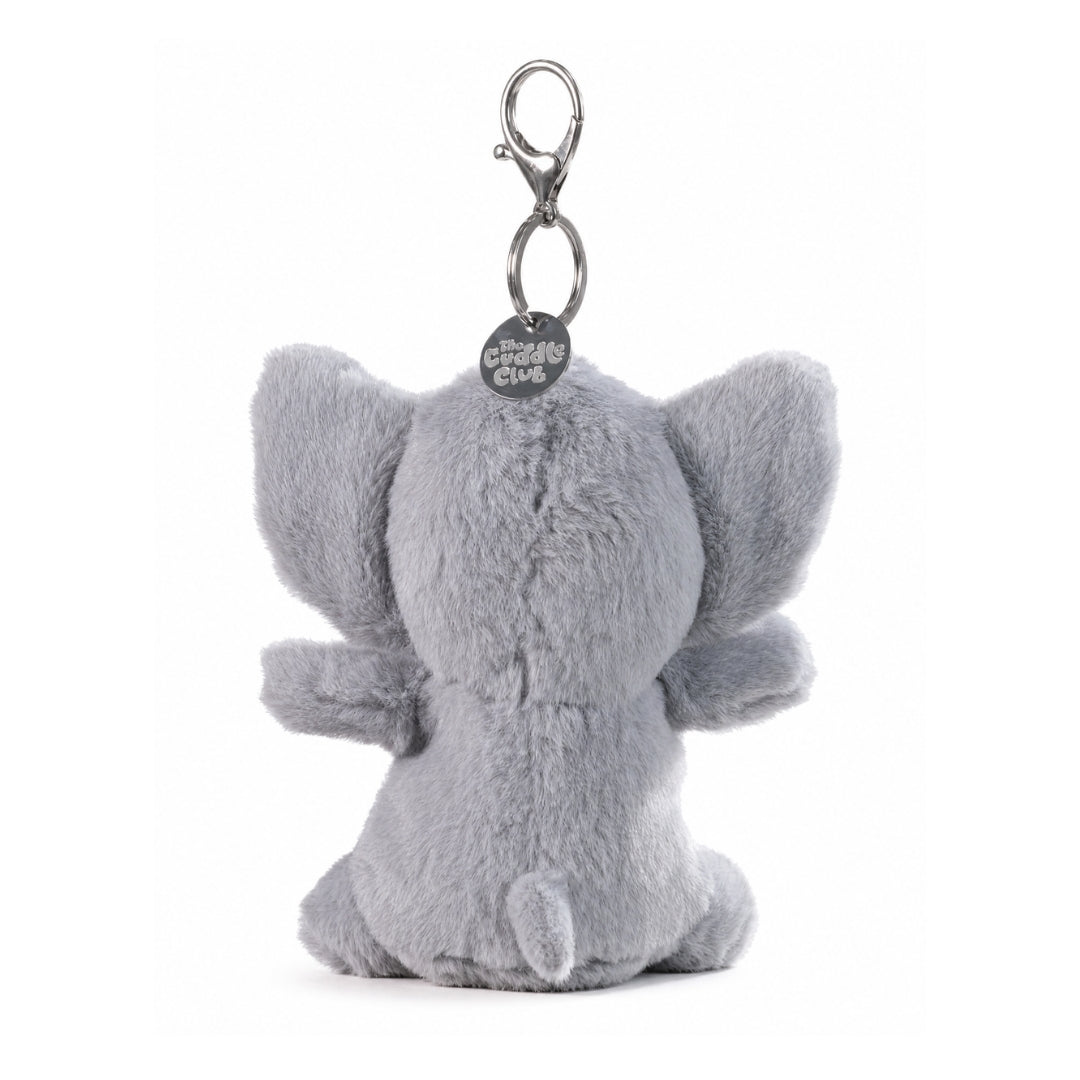
Koko the Koala
- An even 1.8 kg of hug-like weight, light enough for a school-aged child to move on their own
- Hand-stitched with embroidered eyes, certified to AU/NZ and international toy-safety standards
One more quiet marker of a company worth trusting with a child's comfort: what it does beyond the sale. We give 5% of profits to children's hospitals and mental-health organisations, and have donated 50 Cuddle Pals to the Sydney Children's Hospitals Network. It is not a safety credential, but it is part of who we are.
How weighted plush may help children, and when to see an OT
Set safety aside for a moment and it is worth understanding why so many parents reach for these in the first place. The calming feeling of a weighted plush comes from deep pressure, the firm, even, gentle-but-substantial sensation of a snug hug or a steady weight resting on the body. Many children find this kind of input grounding, and some, particularly sensory-seeking, autistic and ADHD kids, actively crave more of it than ordinary daily life provides. We explain the mechanism in full in our guide to deep pressure stimulation, and how it plays out for younger children in how weighted companions support sensory processing in children.
The research here deserves to be read honestly. Most studies look at weighted blankets and weighted vests rather than weighted plush specifically, so we treat them as evidence for the deep-pressure mechanism, not proof about any one product.
Neither of those findings tested a Cuddle Pal, and neither means weight is a treatment. What they do suggest is that steady deep-pressure input may support a calmer, more focused state for some children. That is where a weighted plush fits: a small, everyday source of the kind of pressure many kids find settling, and we would rather say that plainly than oversell it. If you want the wider case for why children take to them, we have gathered it in why weighted plush are good for children.
Sometimes the picture is bigger than everyday comfort. A child who is constantly crashing, chewing or unable to settle, or whose sensory needs are getting in the way of sleep, learning or friendships, may benefit from professional guidance. An occupational therapist (OT) is the right person to assess a child's sensory needs and build a plan around them. In Australia you can read up on the signs at Raising Children Network and find a certified practitioner through Occupational Therapy Australia's Find an OT service. A weighted Cuddle Pal can sit comfortably alongside that support: the small, everyday layer, never a substitute for it.
Frequently asked questions
Are weighted plush safe for kids?
What age can a child use a weighted plush?
How heavy should a weighted plush be for a child?
Can a child sleep with a weighted plush?
Do weighted plush help children with ADHD or autism?
A small comfort, made to be safe
If a weighted plush feels right for your child, the details are what make it safe: an even 1.8 kg they can move themselves, certified to toy-safety standards, soft enough to hold close. Meet the Cuddle Pals and find the one your child reaches for.
Meet Koko the Koala