
What a weighted companion can honestly offer someone living with dementia, what the research actually shows, and how to use one safely with an older person.
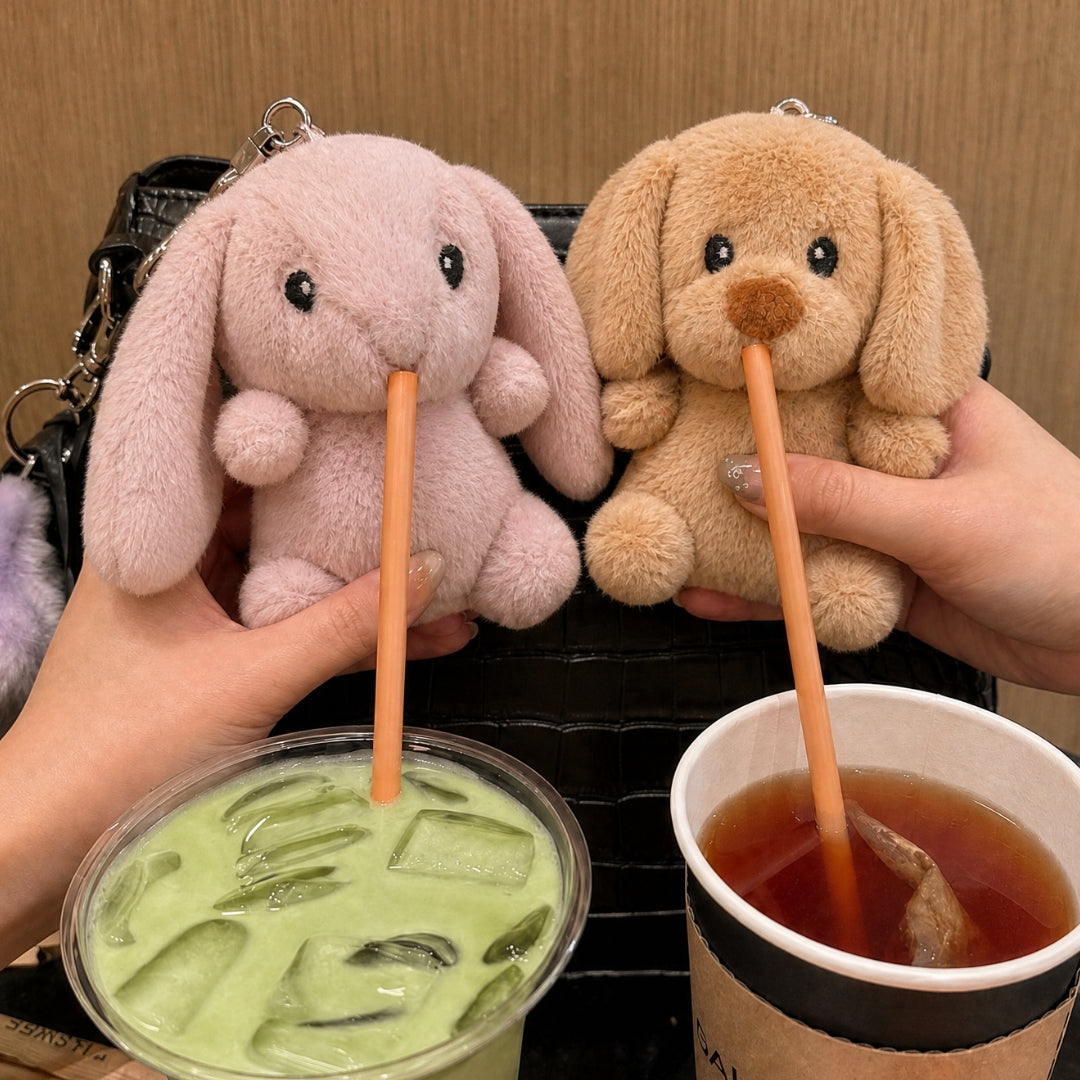
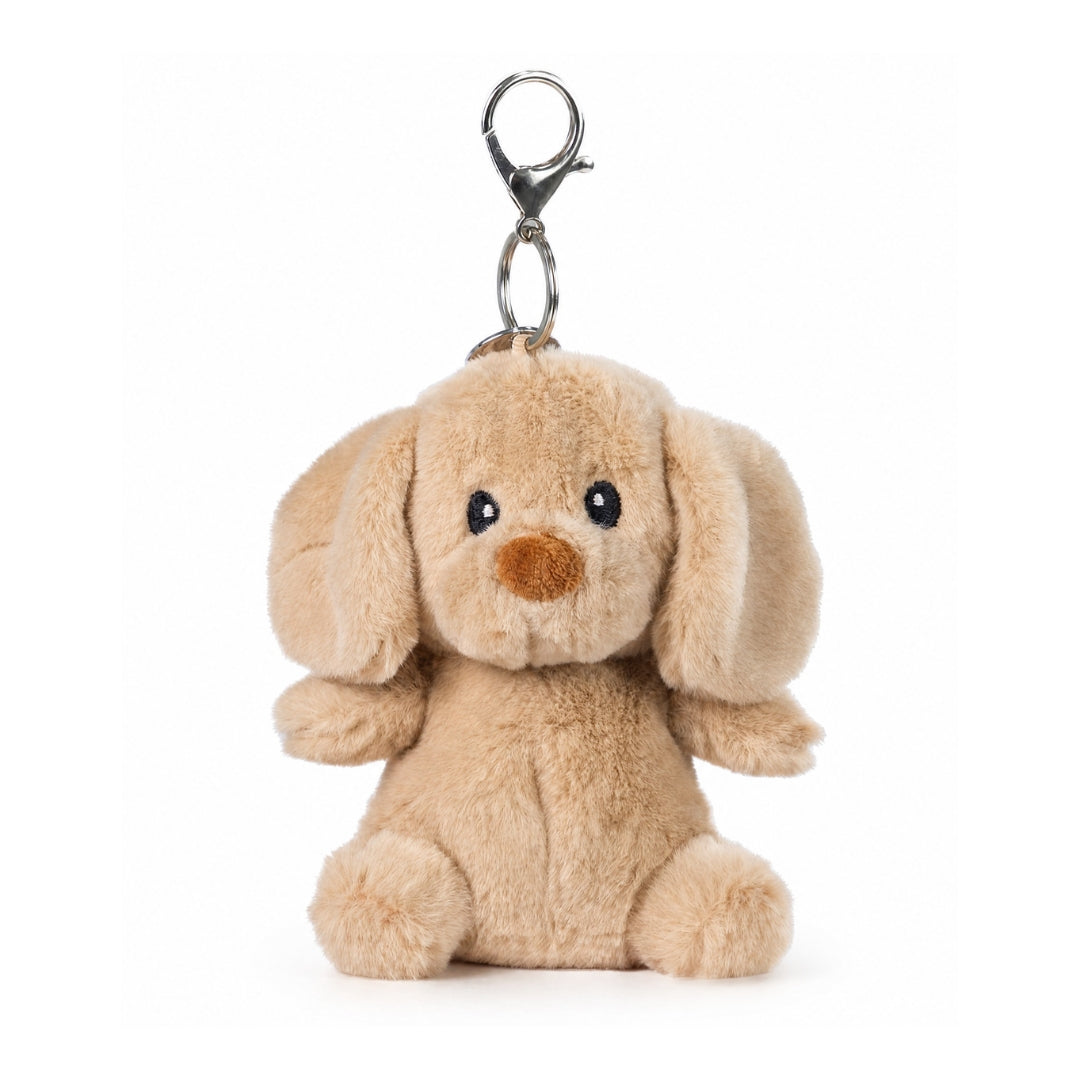
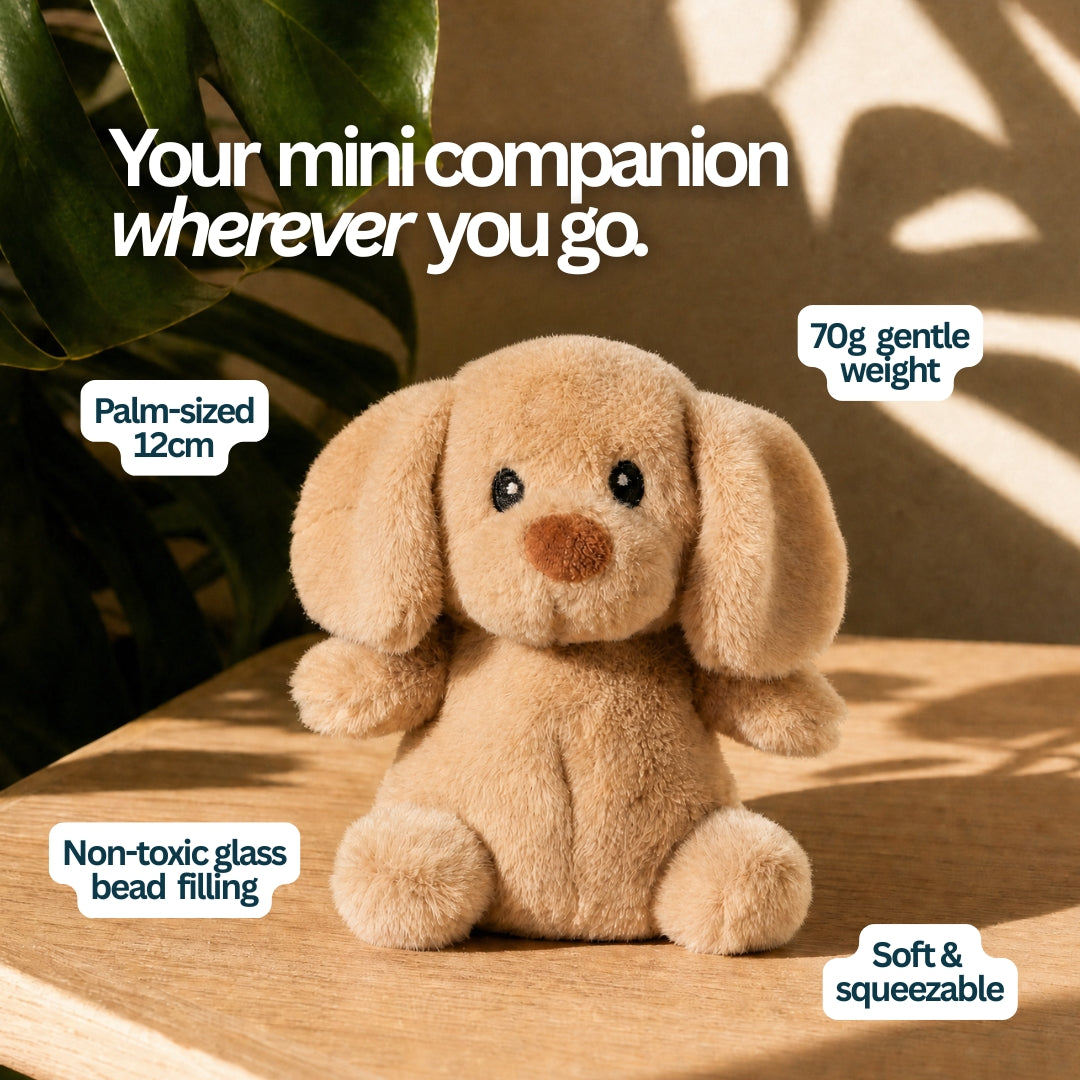
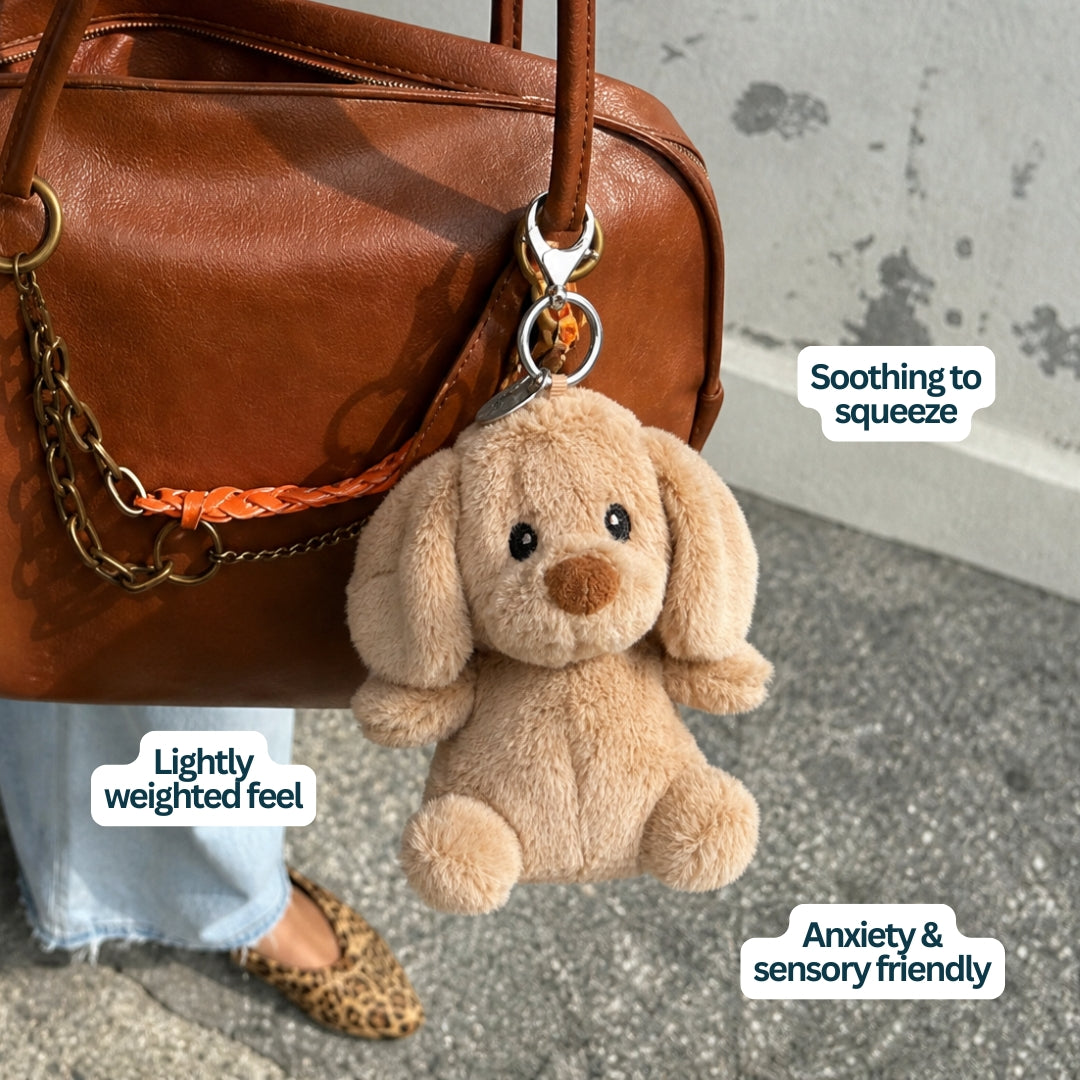
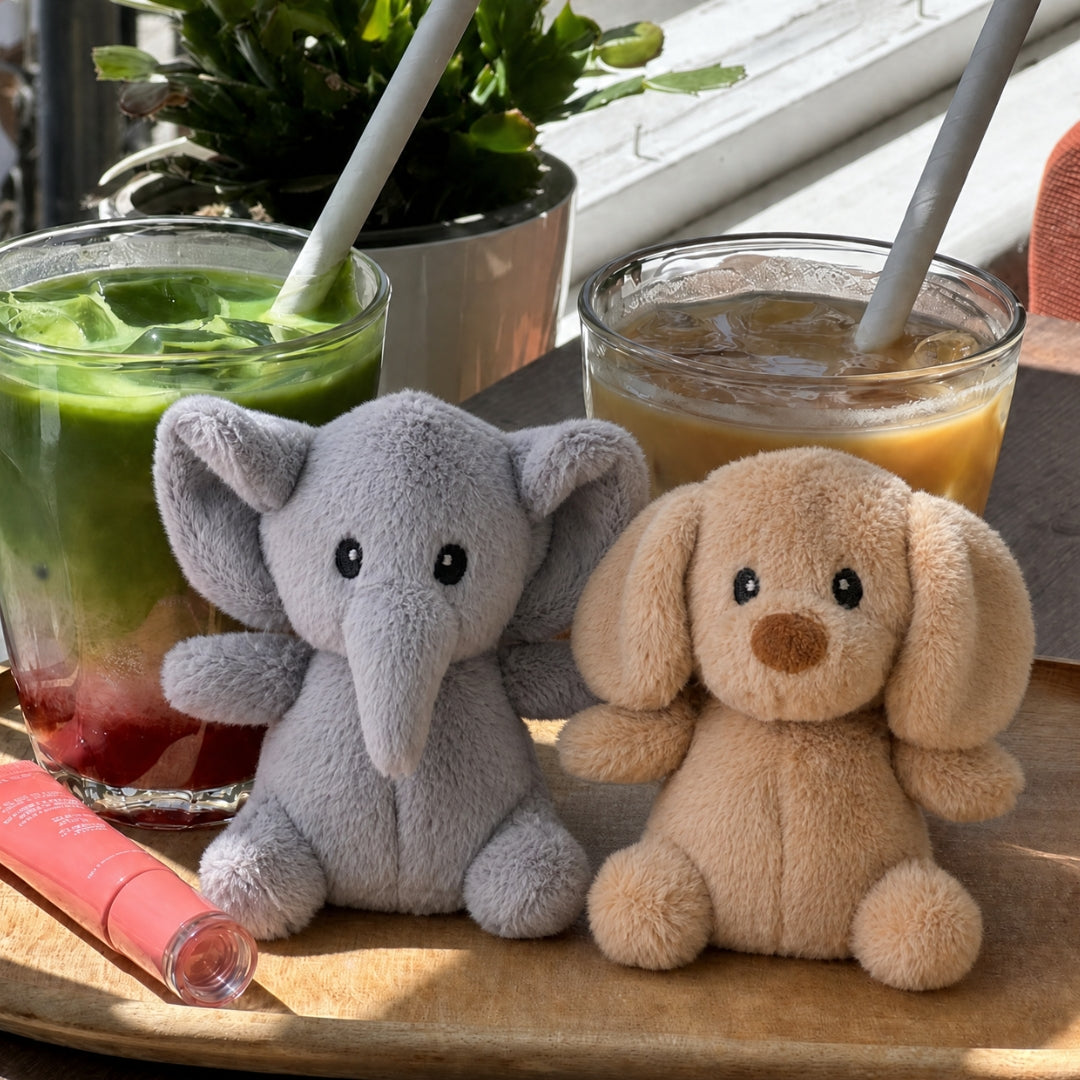
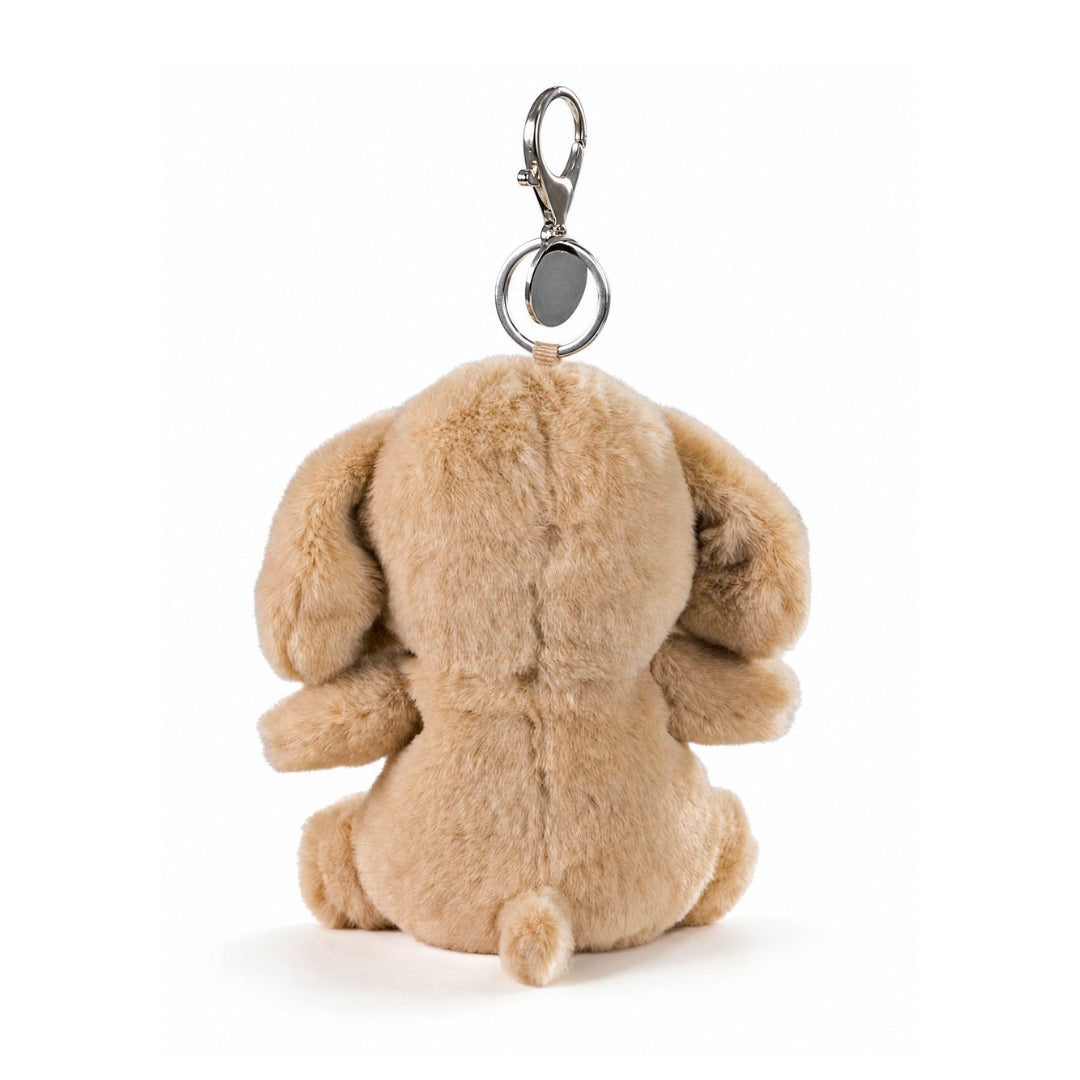
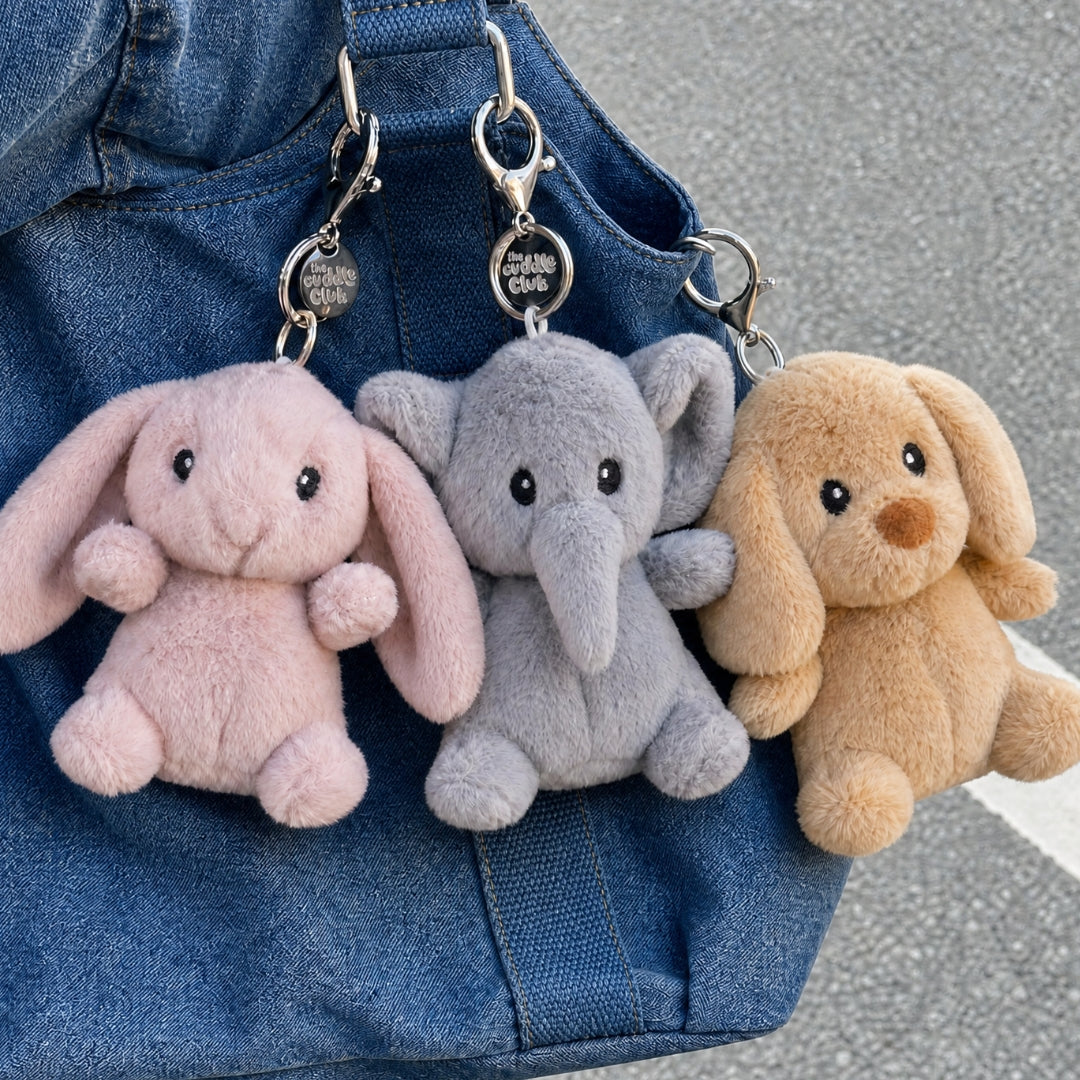
One of our customers told us about her mother. She is 98, she had a severe stroke last year, and she now lives in a nursing home. What her daughter wanted us to know was small and specific: her mum adores her Peanut, the weighted puppy that keeps her company when she is on her own. That is the whole picture of why a weighted stuffed animal for dementia is worth understanding. Not as a treatment, and not as a clever gadget, but as a steady, familiar thing to hold in the long hours when no one else is in the room.
If you are reading this, you are probably the adult child, the partner, or the carer of someone whose world has grown smaller. You cannot be there every hour, and the person you love is often anxious, restless, or simply alone. We know a soft companion sounds like a gentle answer to a heavy problem. This guide is the honest version: what a weighted Cuddle Pal is, what the research on touch and deep pressure actually shows, where it genuinely helps in dementia care, how to use one safely with an older person, and how to choose the right one.
- A weighted Cuddle Pal is a comfort tool, not a medical treatment. It may support calm and a feeling of being held. It does not treat or cure dementia.
- Comfort in dementia is real, measurable care. Touch and familiar presence are among the few things that still reach a person when language and memory are slipping.
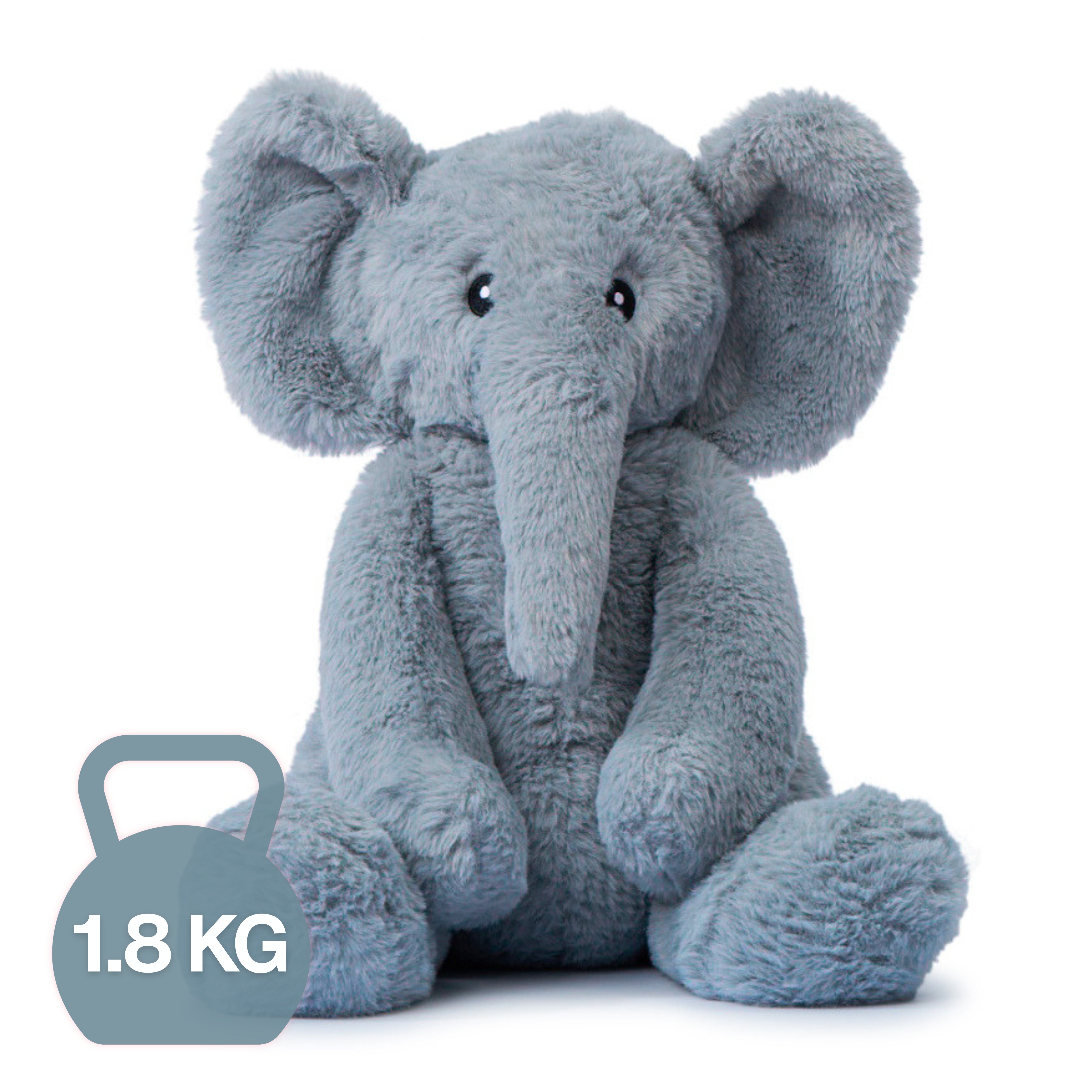
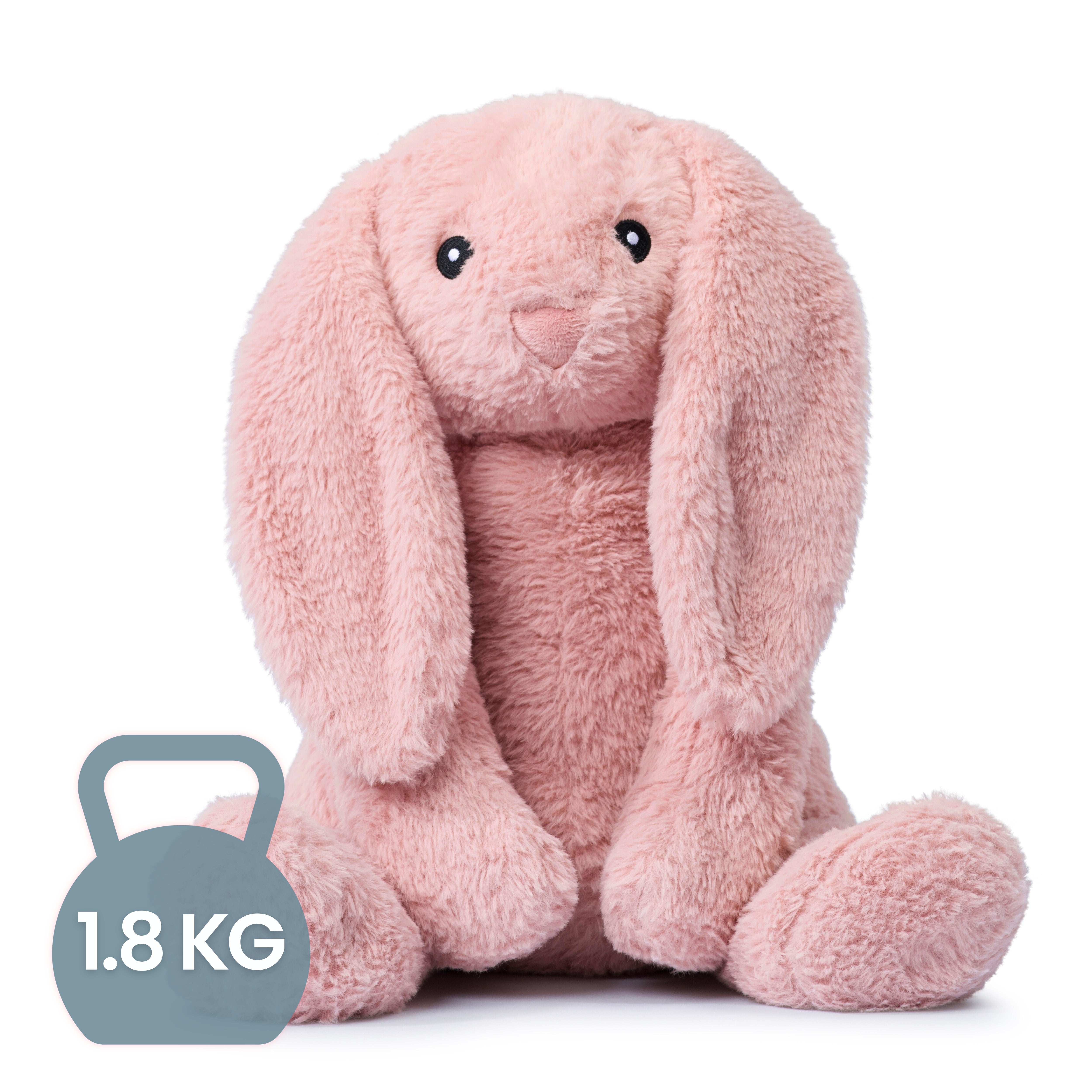
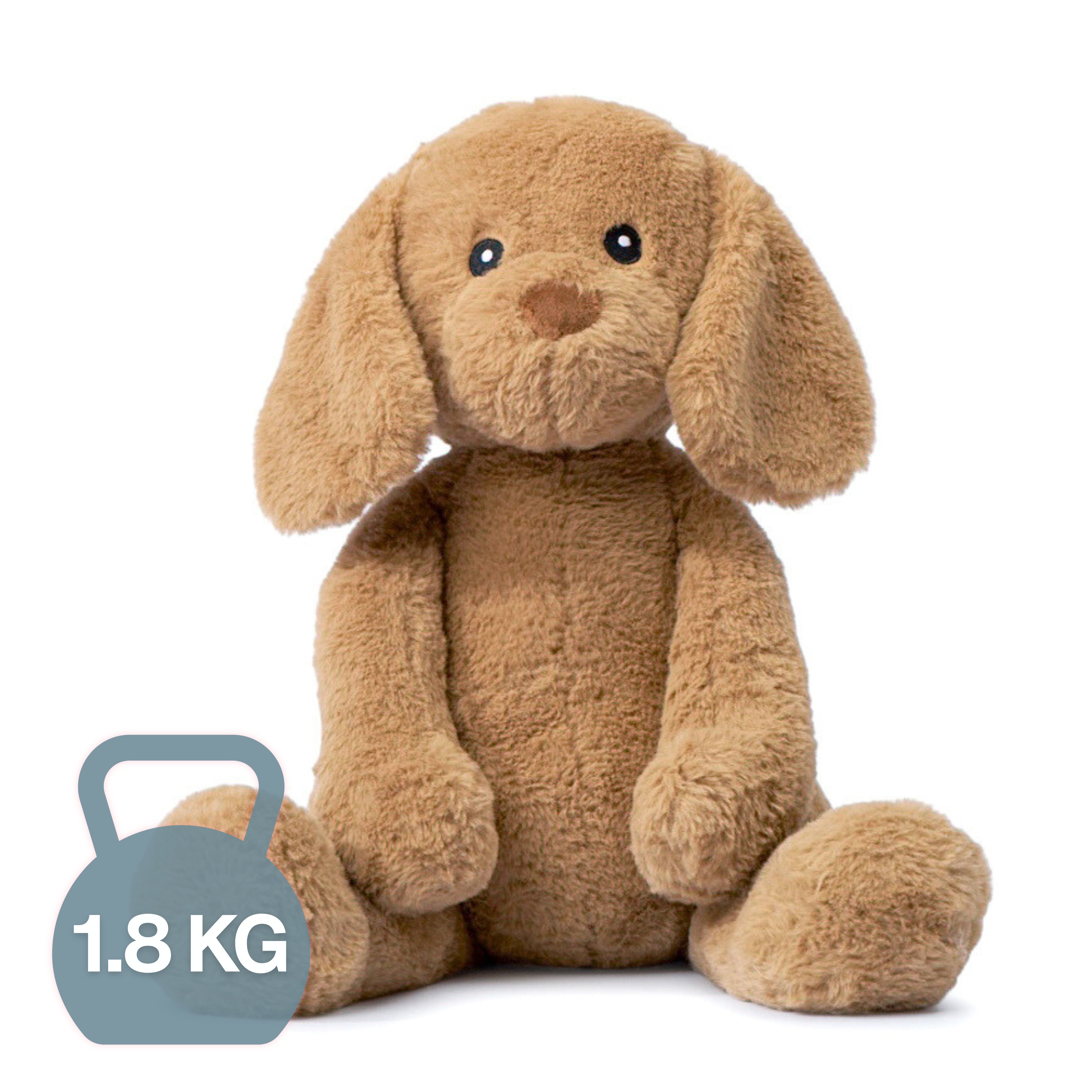
- The calm comes from steady, even weight. Ours is a deliberate 1.8 kg, the kind of gentle pressure that can feel like a hand resting on your arm.
- Research on doll therapy in dementia and on deep pressure in adults points the same way: a held, comforting object may ease agitation and anxiety for some people.
- It works best alongside real care: the person's GP, their nurses, dementia support services, and you.
Older people in residential care are among the most touch-starved people in the community. Whole days can pass where the only physical contact is functional, a hand to help with dressing or medication, and almost none of it is simply comforting.
Why comfort and touch matter so much in dementia
Dementia is not one condition but a group of them, including Alzheimer's disease, that gradually affect memory, thinking, and the ability to manage daily life. As it progresses, the world can become confusing and frightening, and the late afternoon and evening are often the hardest. Many families know the pattern of restlessness, pacing, and distress that carers call sundowning, when a person becomes more anxious as the light fades.
What does not fade so fast is the need to feel safe. Long after names and dates slip away, the body still understands warmth, weight, and a gentle touch. This matters because older people in care are some of the most touch-starved people in our community. Days can pass with contact that is only functional, a hand to help with dressing or medication, and very little that is simply comforting. A soft companion that a person can hold, stroke, and keep close gives the hands something to do and the nervous system something kind to land on.
None of this replaces human connection or professional care. If you are supporting someone with dementia, Dementia Australia runs the free National Dementia Helpline on 1800 100 500, and Dementia Support Australia helps families and care teams with the behaviours that are hardest to manage. A weighted Cuddle Pal sits beside that support, never instead of it.
How a weighted stuffed animal may comfort someone with dementia
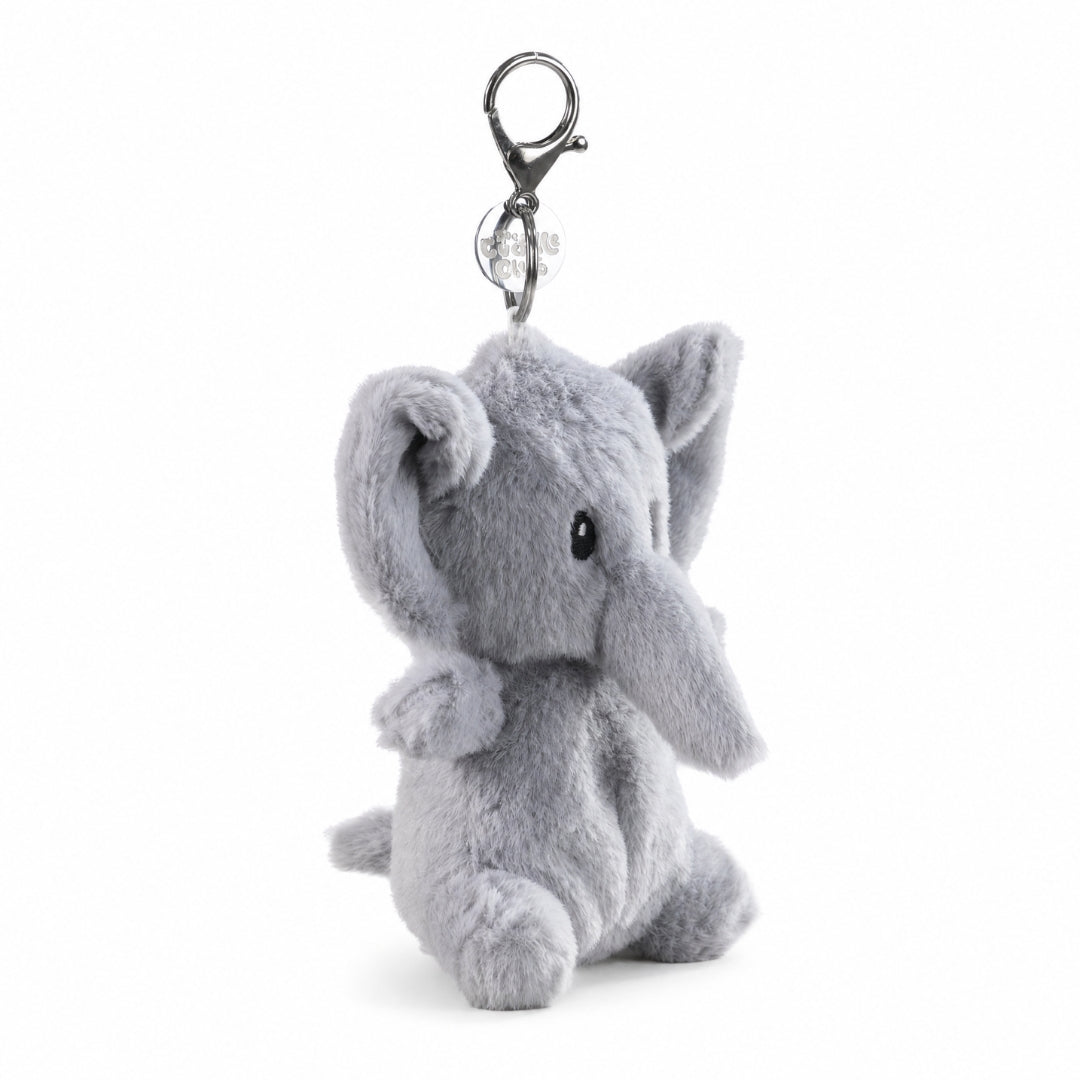
A weighted stuffed animal is exactly what it sounds like, a soft companion made heavier on purpose so that holding it feels grounding rather than weightless. The difference between an ordinary soft companion and a genuinely calming one is in how that weight is made and where it sits. For a fuller explanation of the idea, our guide on what a weighted stuffed animal is and whether they work walks through the basics.
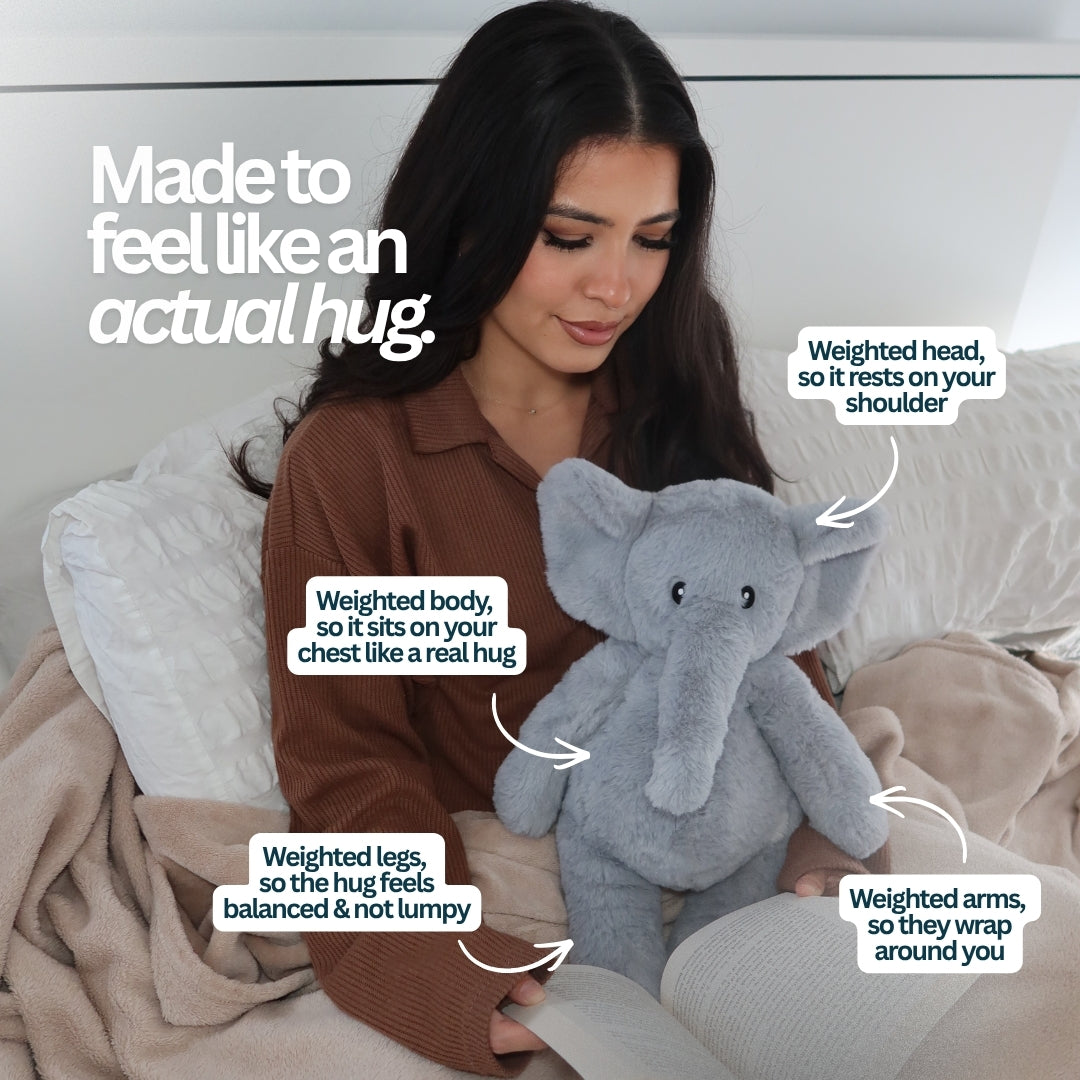
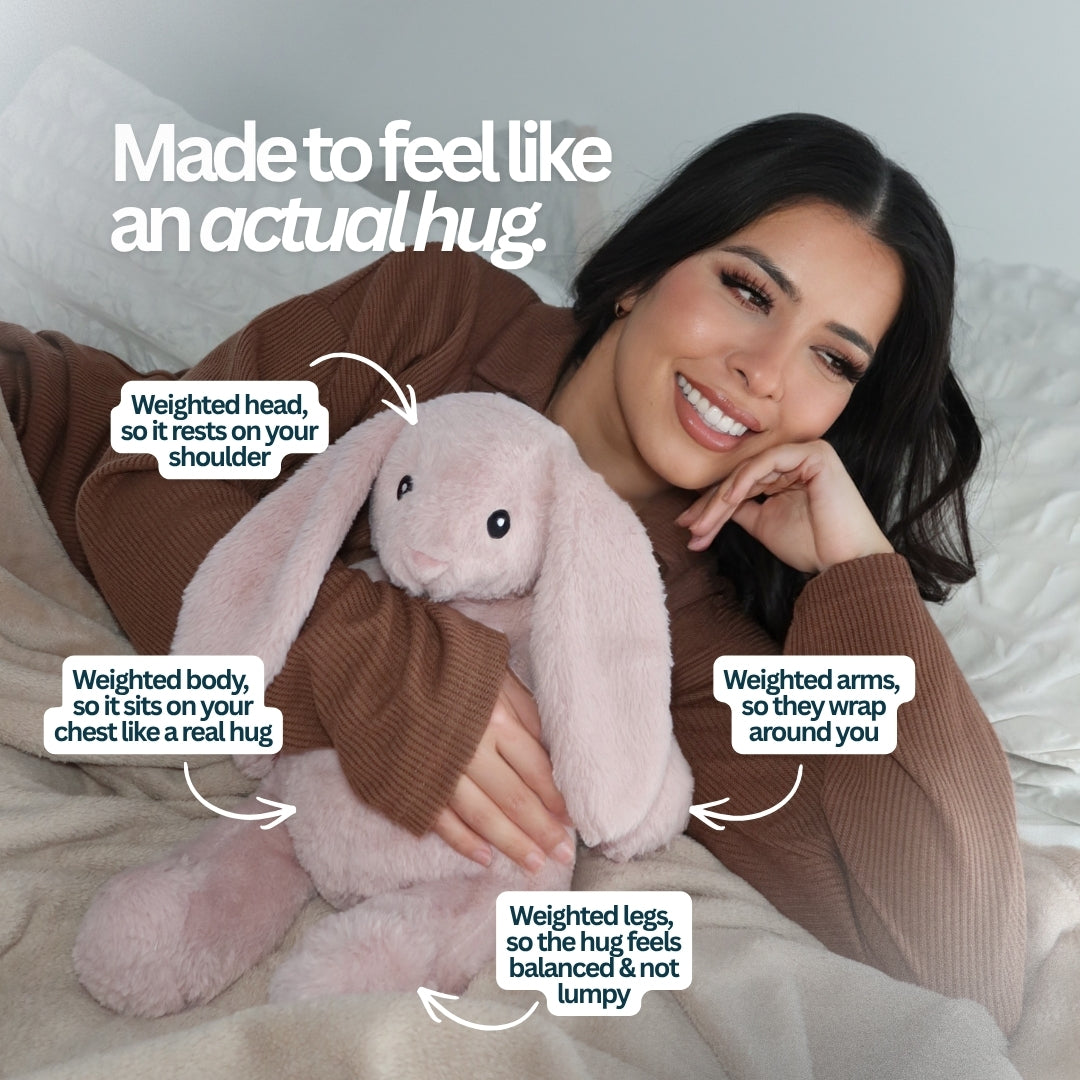
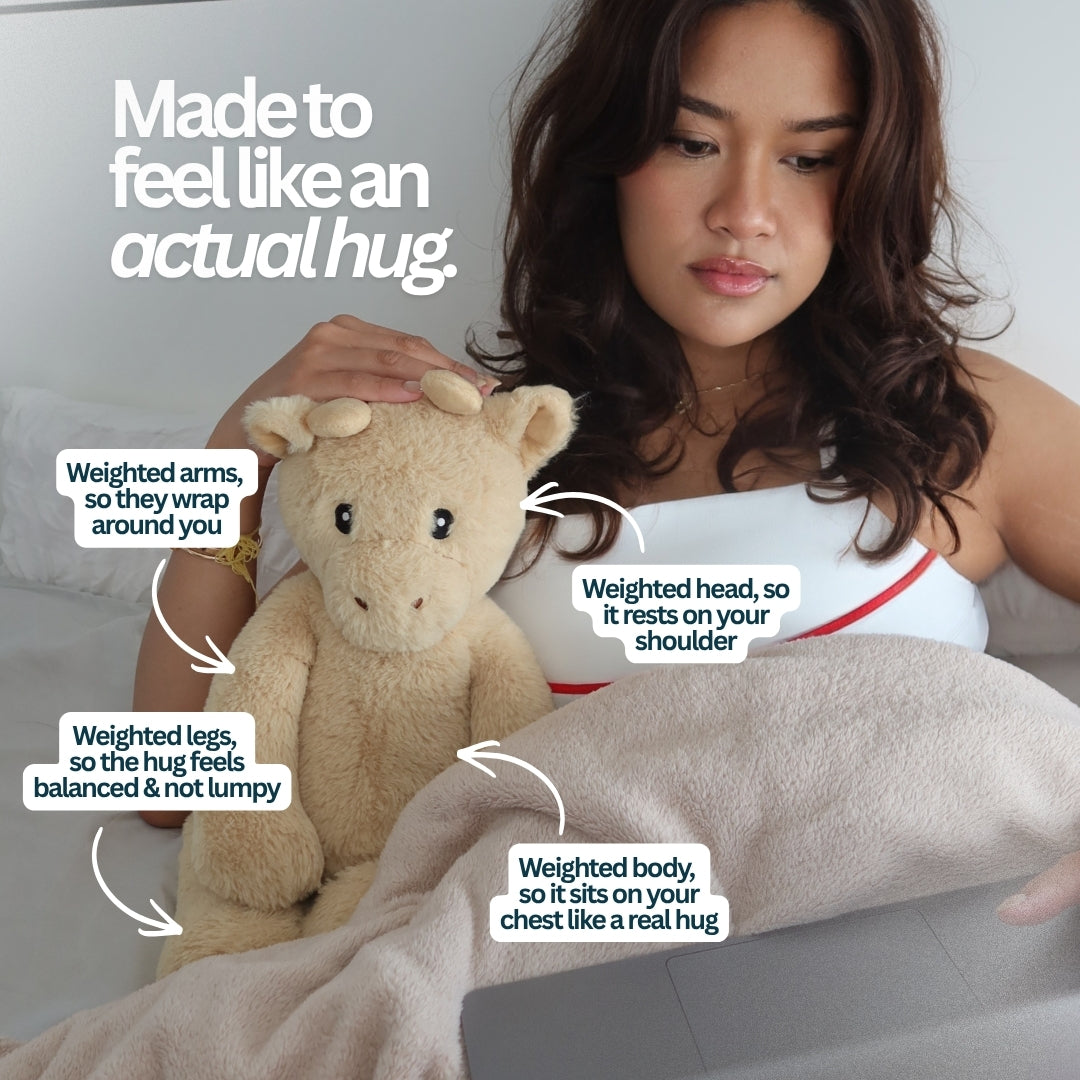
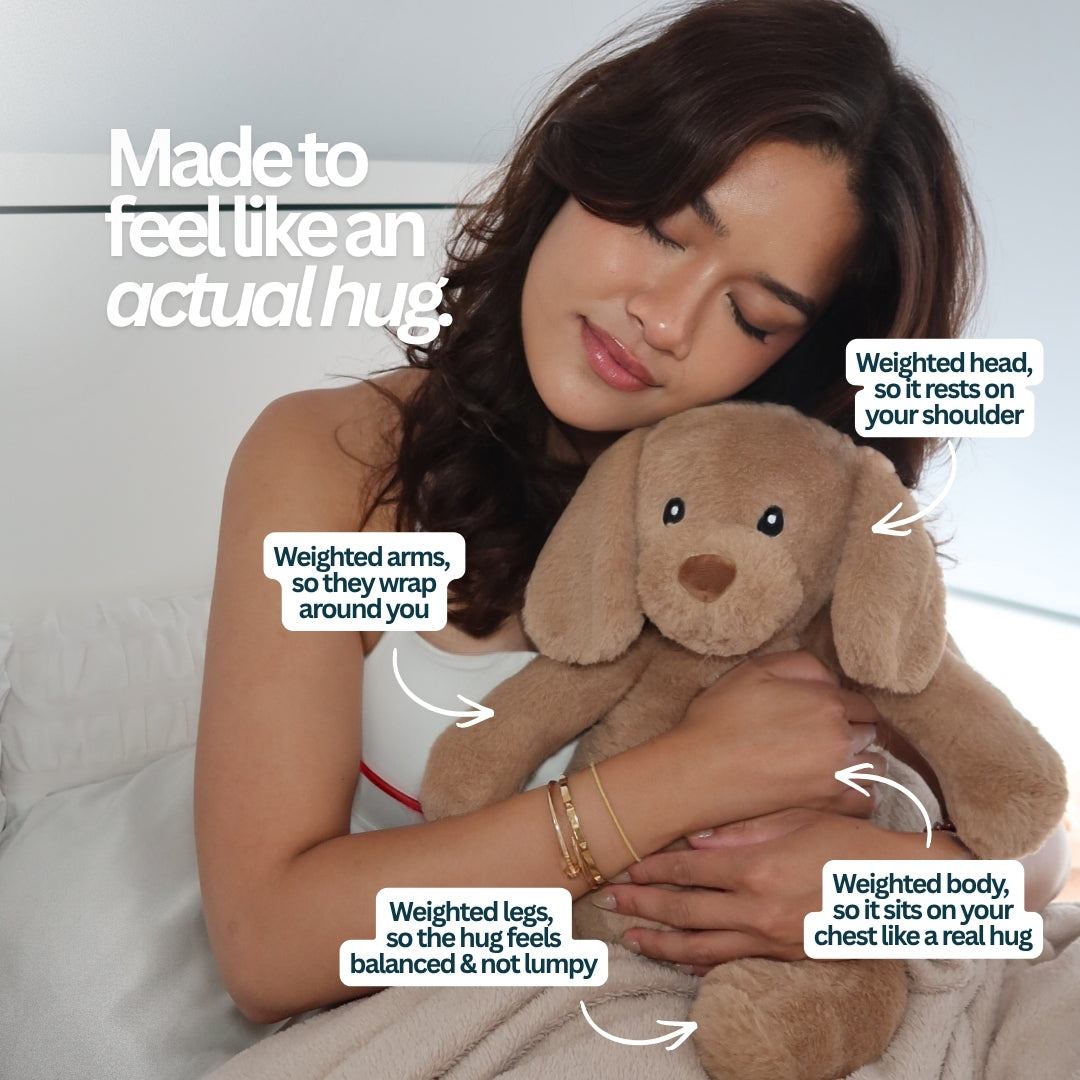
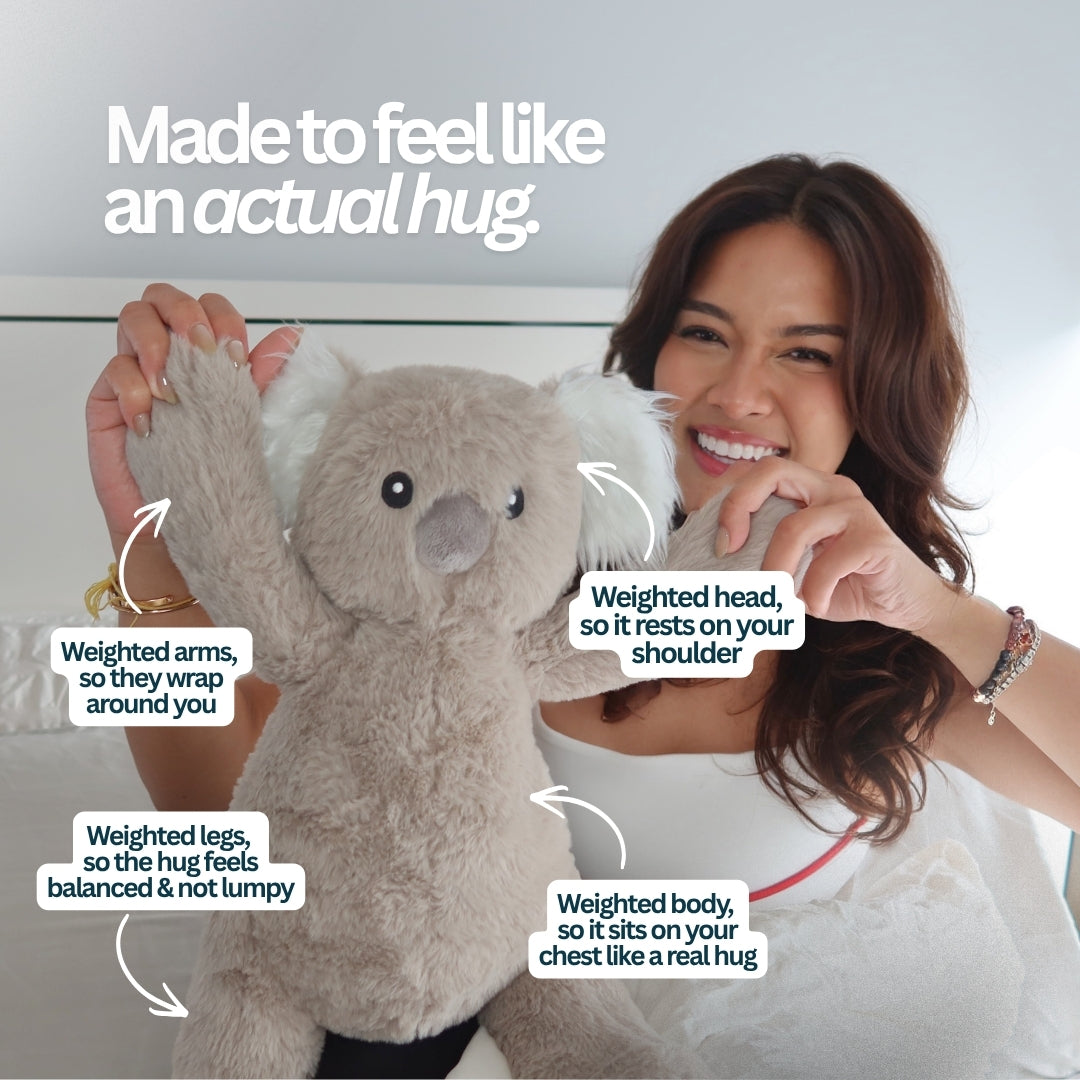
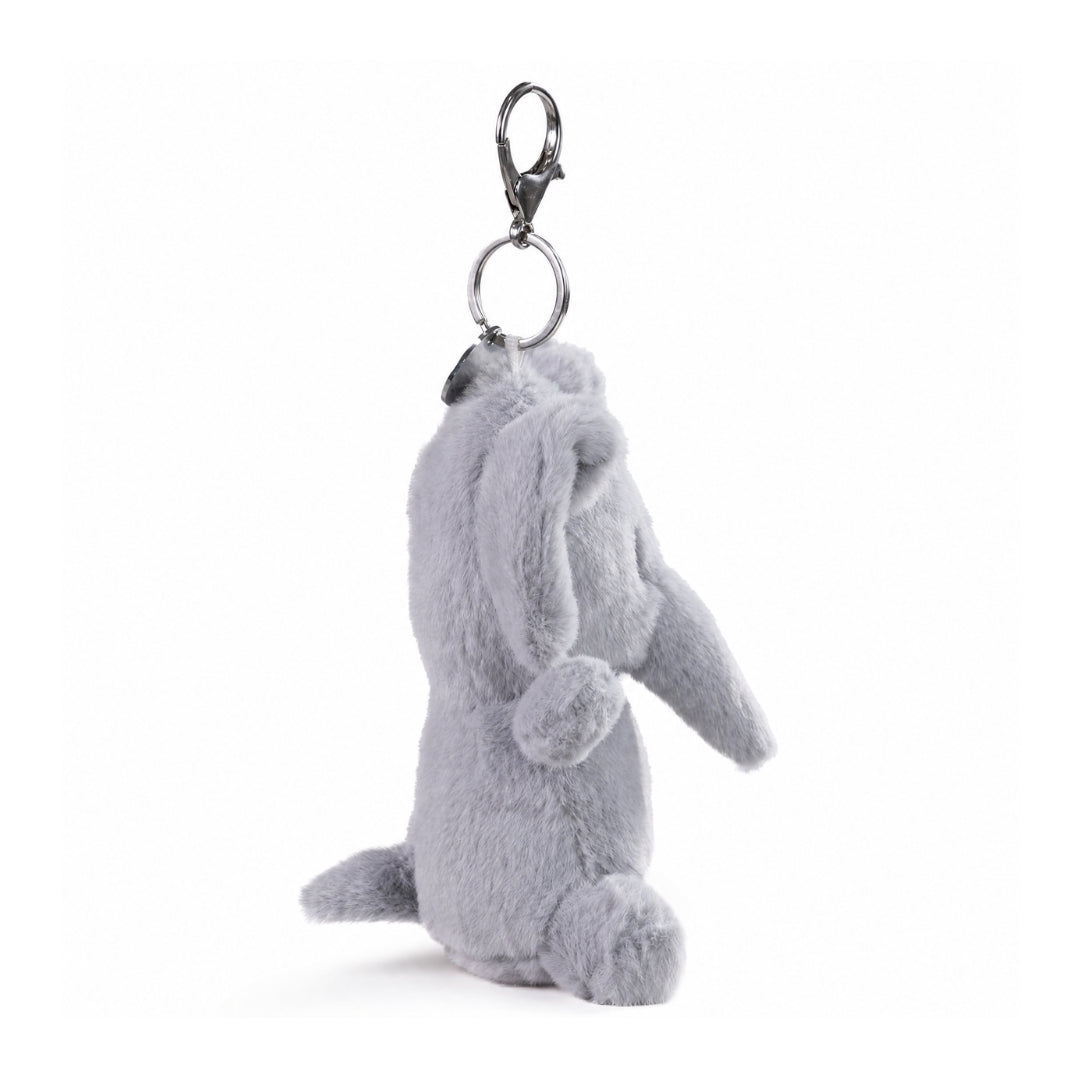
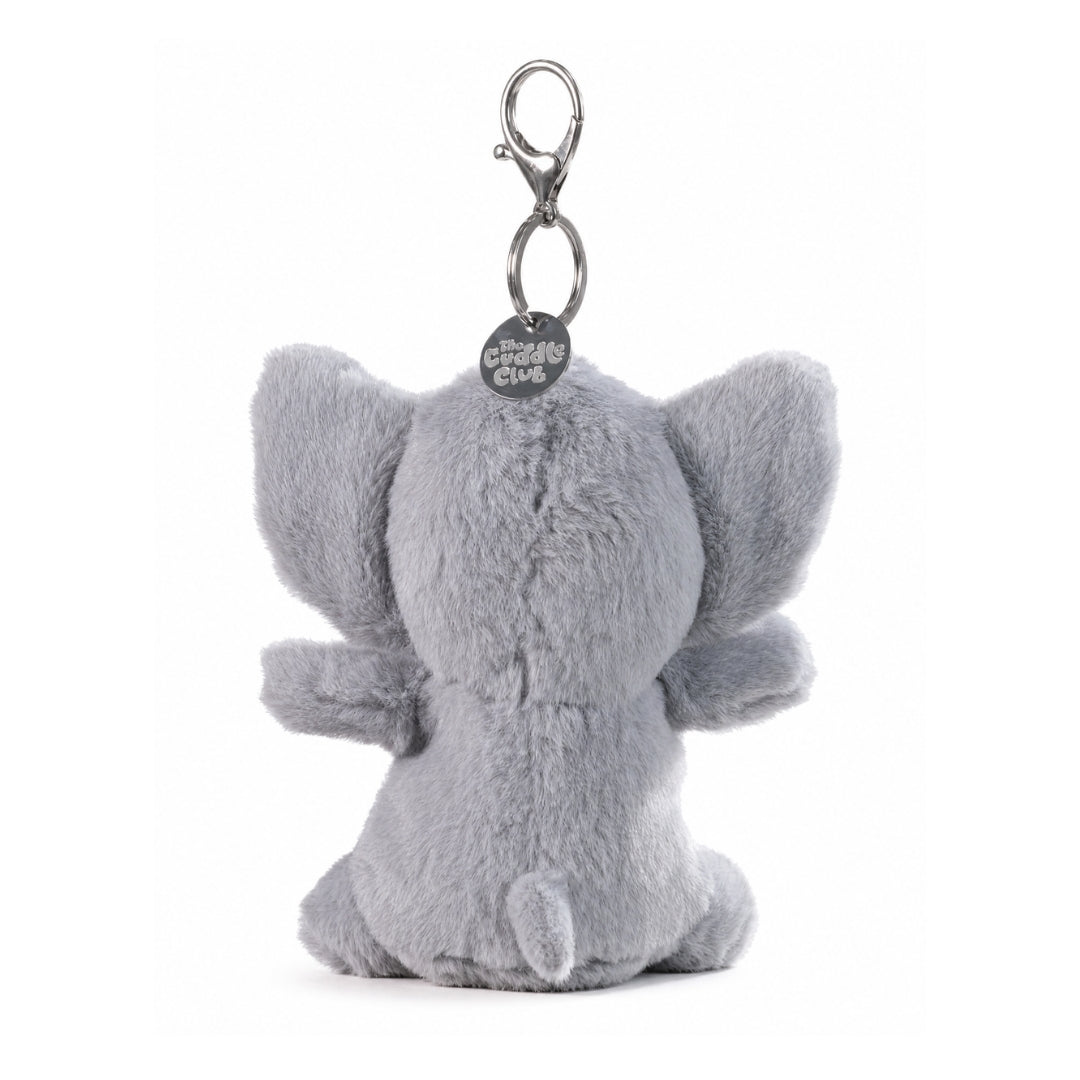
Each Cuddle Pal carries a deliberate 1.8 kg, with fine glass beads distributed through the body and limbs so the weight is carried evenly and settles over a lap or against a chest like a real hug. That even weight is the point. It is the same principle, deep pressure, that occupational therapists have used for decades with weighted lap pads and blankets to help people settle.
The honest framing matters here. Most of the research is on weighted blankets and deep pressure in younger adults, not on soft companions and not on dementia specifically, so we read it as background, not proof. With that caveat, the direction is consistent.
The takeaway is gentle and worth holding onto: steady, even pressure is something many nervous systems read as safety. For more on why this kind of comforting contact is good for us, see our piece on the health benefits of cuddling.
Weighted companions, doll therapy, and the dementia evidence
There is one area of dementia care where the evidence speaks more directly, and it is worth understanding because a weighted Cuddle Pal works on a very similar principle. It is called doll therapy, the simple, long-used practice of giving a person living with dementia a lifelike doll or soft animal to hold, talk to, and care for.
The 2023 review above, pooling ten studies of nursing-home residents, found that doll therapy was associated with a significant reduction in agitation and with improvements in pleasure, anxiety, and low mood. The reviewers were careful, as good researchers are, to note that the studies are still relatively few and that more rigorous trials are needed. What they describe is a non-pharmacological approach, a way of offering comfort without another medication, which is exactly what many families and aged-care teams are looking for.
A weighted Cuddle Pal is not a clinical doll-therapy programme, and we are careful not to overclaim. What it shares is the heart of why doll therapy seems to help: a familiar, holdable, comforting presence that a person can keep close and care for. The added 1.8 kg simply gives that presence the gentle, grounding weight of a hug. If sundowning and evening restlessness are part of your loved one's day, a companion that is already in their arms when the light fades may offer some of that same steadying comfort. Dementia Support Australia has good, practical guidance on these kinds of non-medication approaches, and they are worth a call.
Using a weighted Cuddle Pal safely with an older person
Safety comes first, and with frail or elderly people it deserves real attention. A few simple principles keep a weighted companion a comfort rather than a worry.
Choosing a weighted Cuddle Pal for an elderly parent
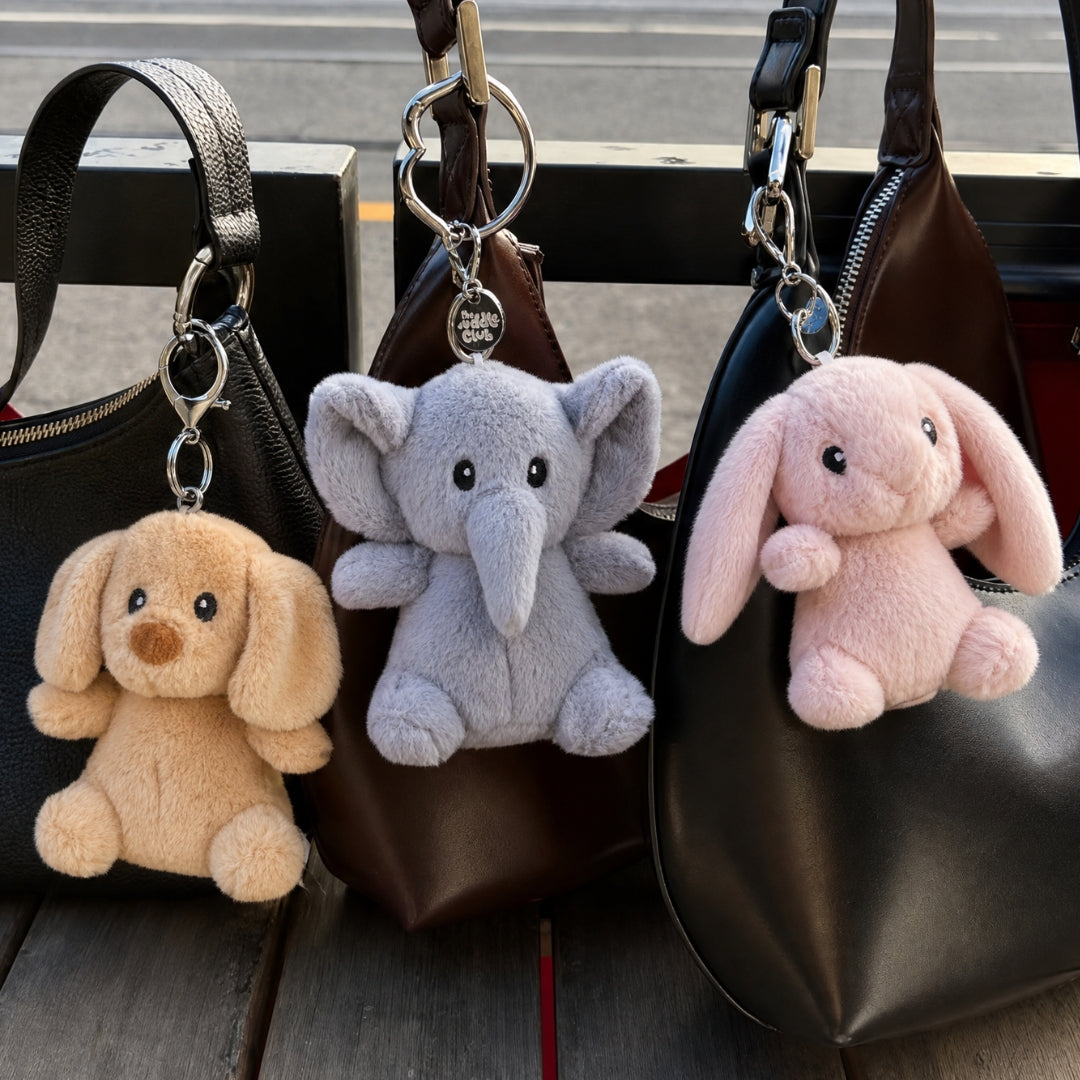
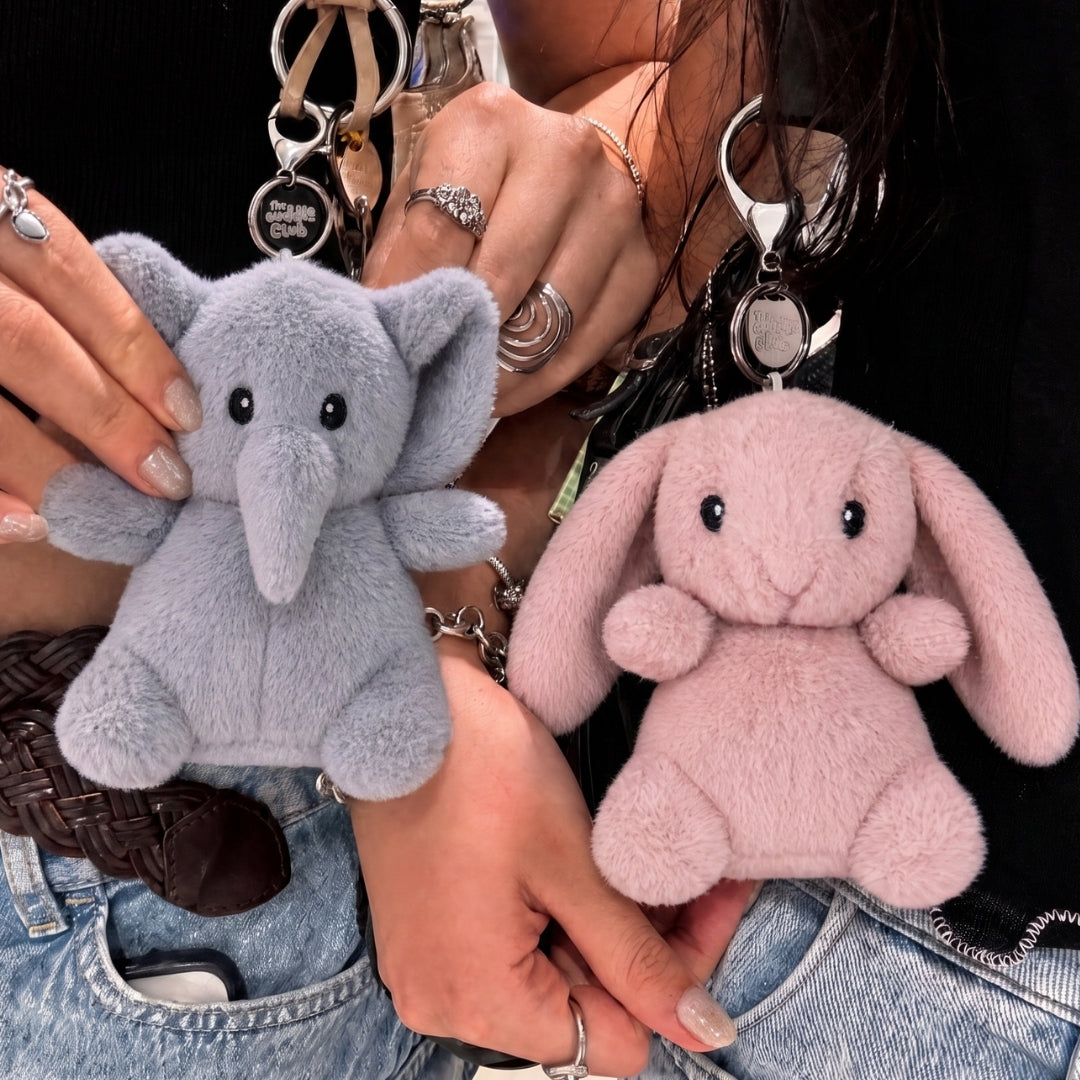
The good news is that choosing is simpler than it looks. Every Cuddle Pal is the same underneath: the same considered 1.8 kg, the same hand-finished make, the same hypoallergenic outer and securely contained glass-bead fill. For an adult, including most older adults, 1.8 kg is a comfortable, calming weight to hold. You do not need to do sums. The ten-percent-of-body-weight rule that gets quoted for weighted blankets is a blanket rule, written for something draped over a whole body in bed, and it does not transfer to a companion you simply hold in your arms.
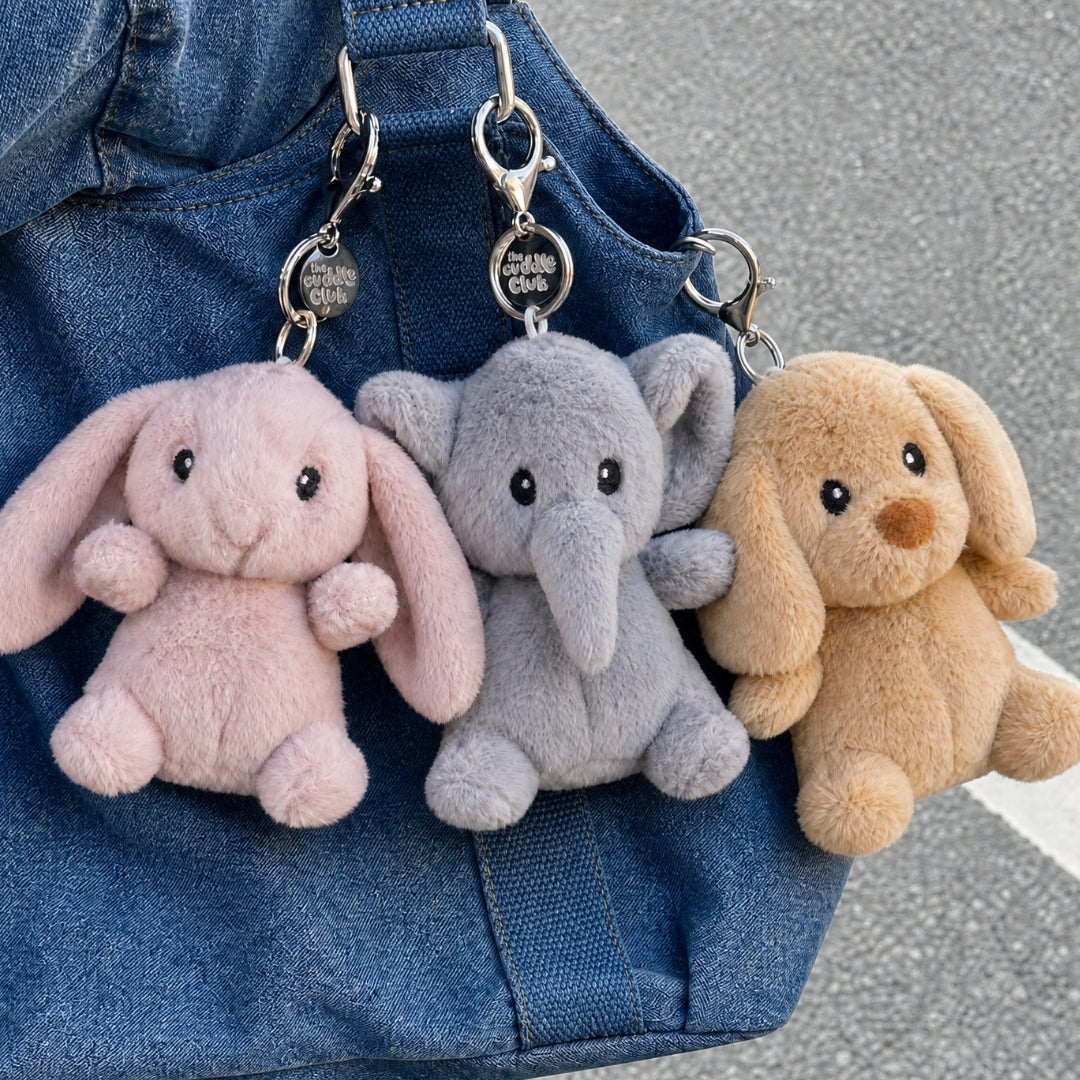
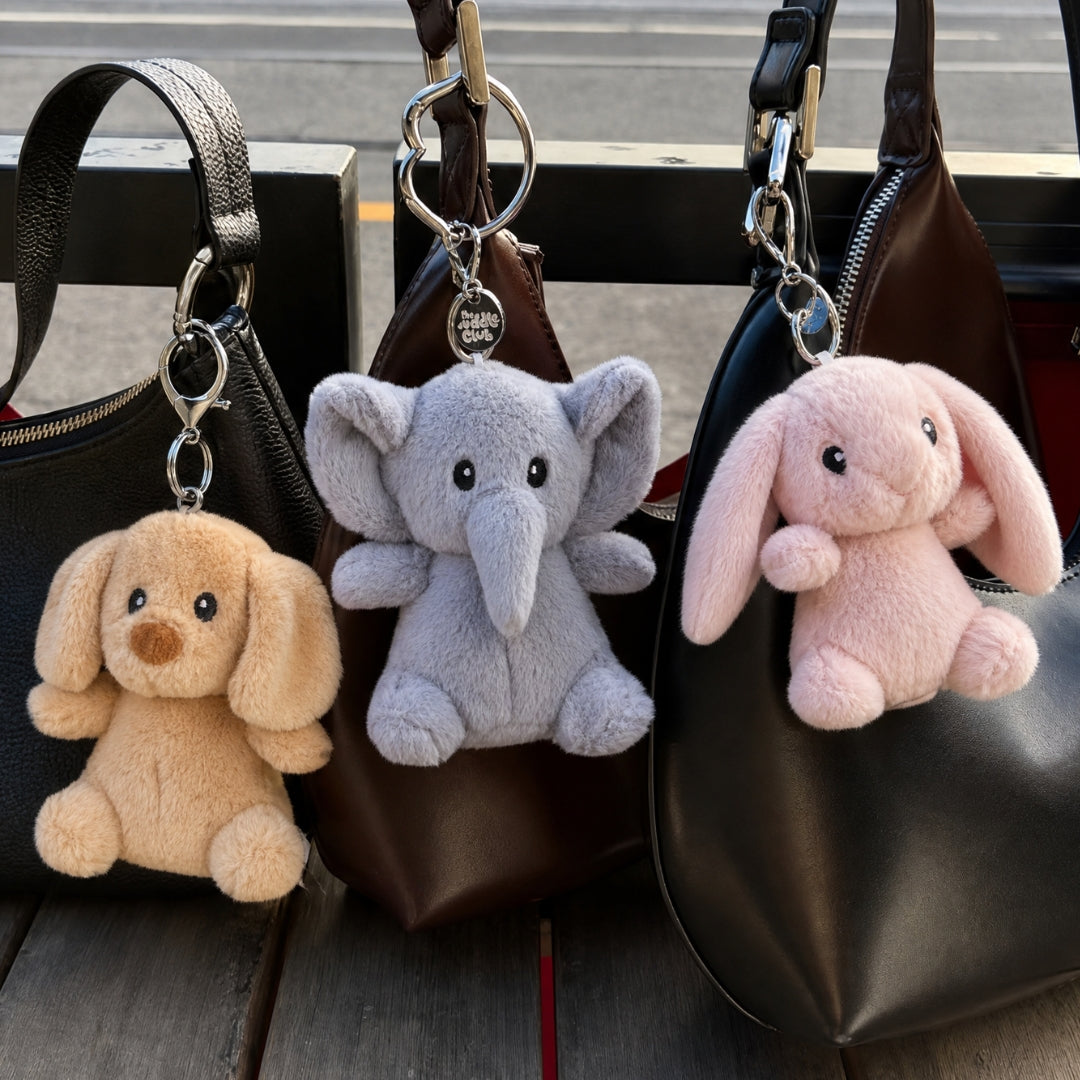
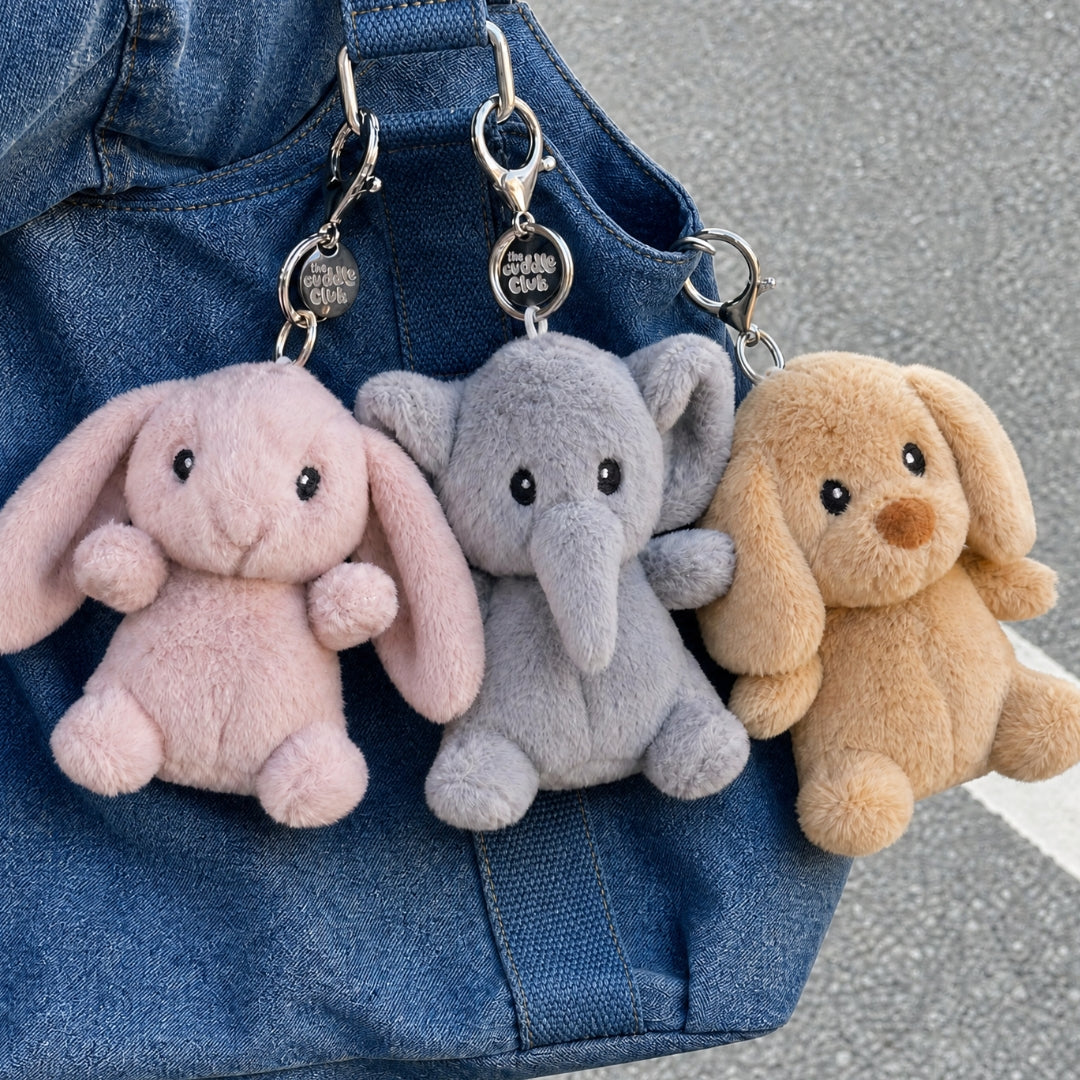
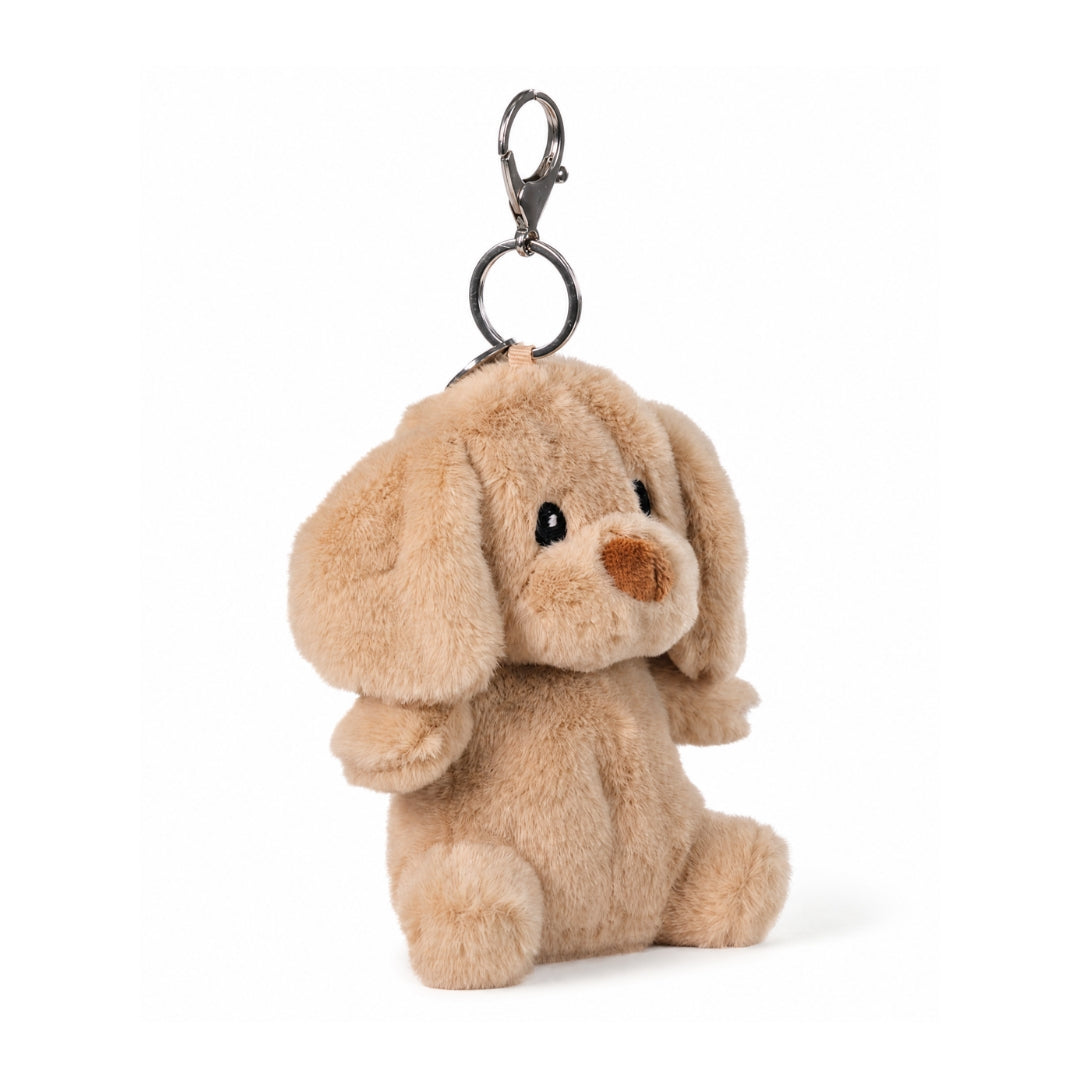
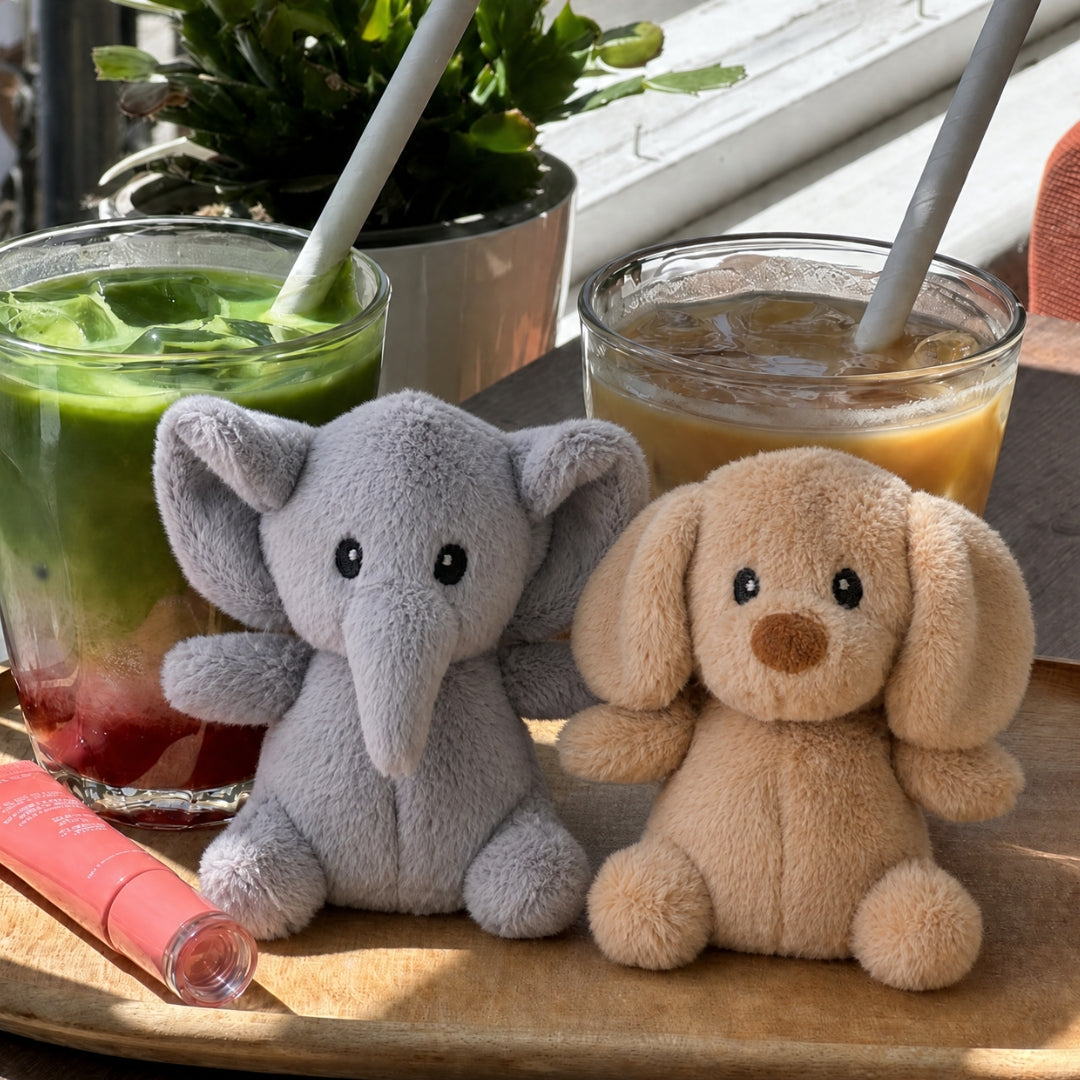
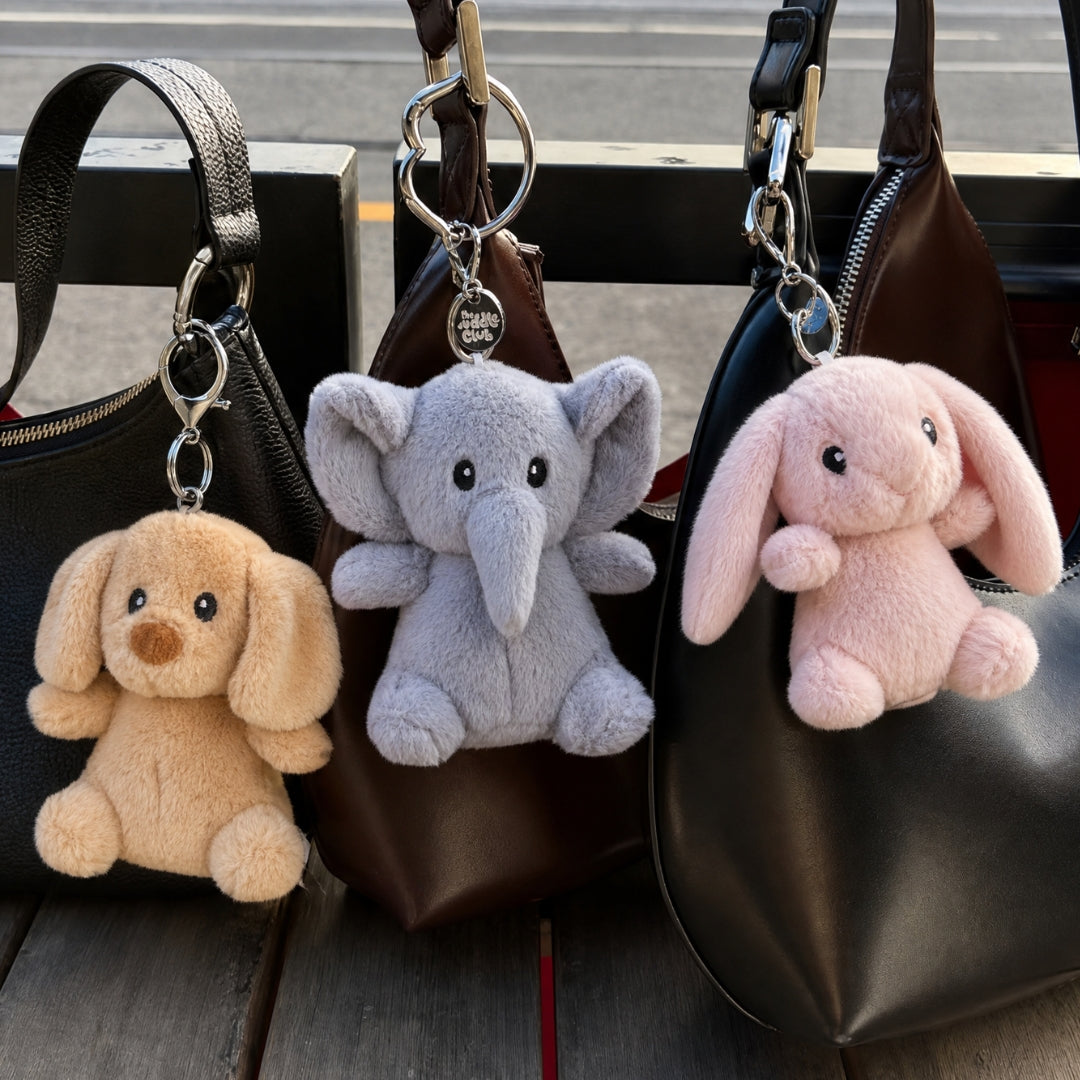
What is left is the nicest part of the decision, which character to choose. Let your parent's personality lead. The mother in that first story has Peanut the Puppy, a soft, steady companion that keeps her company when she is on her own. An aged-care worker once told us she chose a Cuddle Pal for a resident with dementia who seeks comfort when feeling alone, which is as good a reason as any. If you are gifting from a distance, it helps to know each Pal arrives presentation-ready, so the box itself feels like the gesture of care you mean it to be.

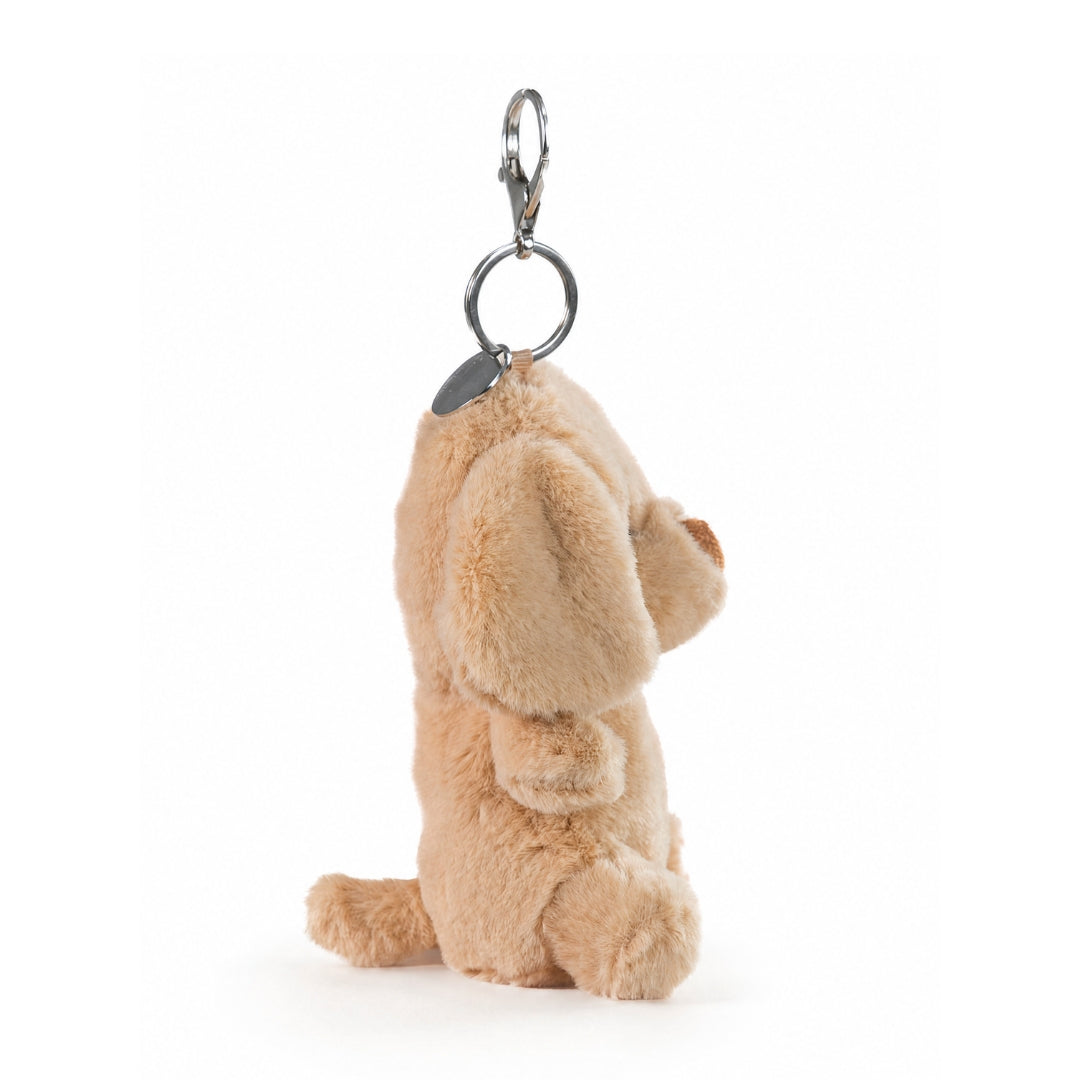
Peanut the Puppy
- An even 1.8 kg of hug-like weight, carried across the whole body
- The companion that keeps a 98-year-old mum company in her room
A weighted Cuddle Pal is a small thing. Set against dementia, everything can feel small. But comfort is not nothing. Something warm and steady to hold, on the hard afternoons and the lonely evenings, is a real and human kind of care.
Frequently asked questions
Can a weighted stuffed animal help someone with dementia?
Is this the same as doll therapy?
How heavy should a weighted companion be for an elderly person?
Is it safe for a frail or elderly person?
Will my parent with advanced dementia actually use it?
Where can I get real support for dementia?
A steady thing to hold
If you would like a gentle, weighted companion for someone you love, meet Peanut the Puppy, the same 1.8 kg hug that keeps that 98-year-old mum company in her room. As with every Cuddle Pal, 5 percent of our profits go to children's hospitals and mental-health organisations.
Meet Peanut the Puppy