The small things restless hands reach for: what fidget toys are, the different jobs they do, and how to choose one that actually helps.
- Fidget toys are small, hand-held objects that give restless hands a repetitive movement, texture or squeeze to focus on.
- Most do one of three jobs: movement for busy hands, touch and texture, or pressure.
- Research backs simple, low-attention hand activity more than flashy gadgets. One classroom study linked fidget spinners with worse attention in young children with ADHD.
- The best fidget is usually the one you can use without looking at it.
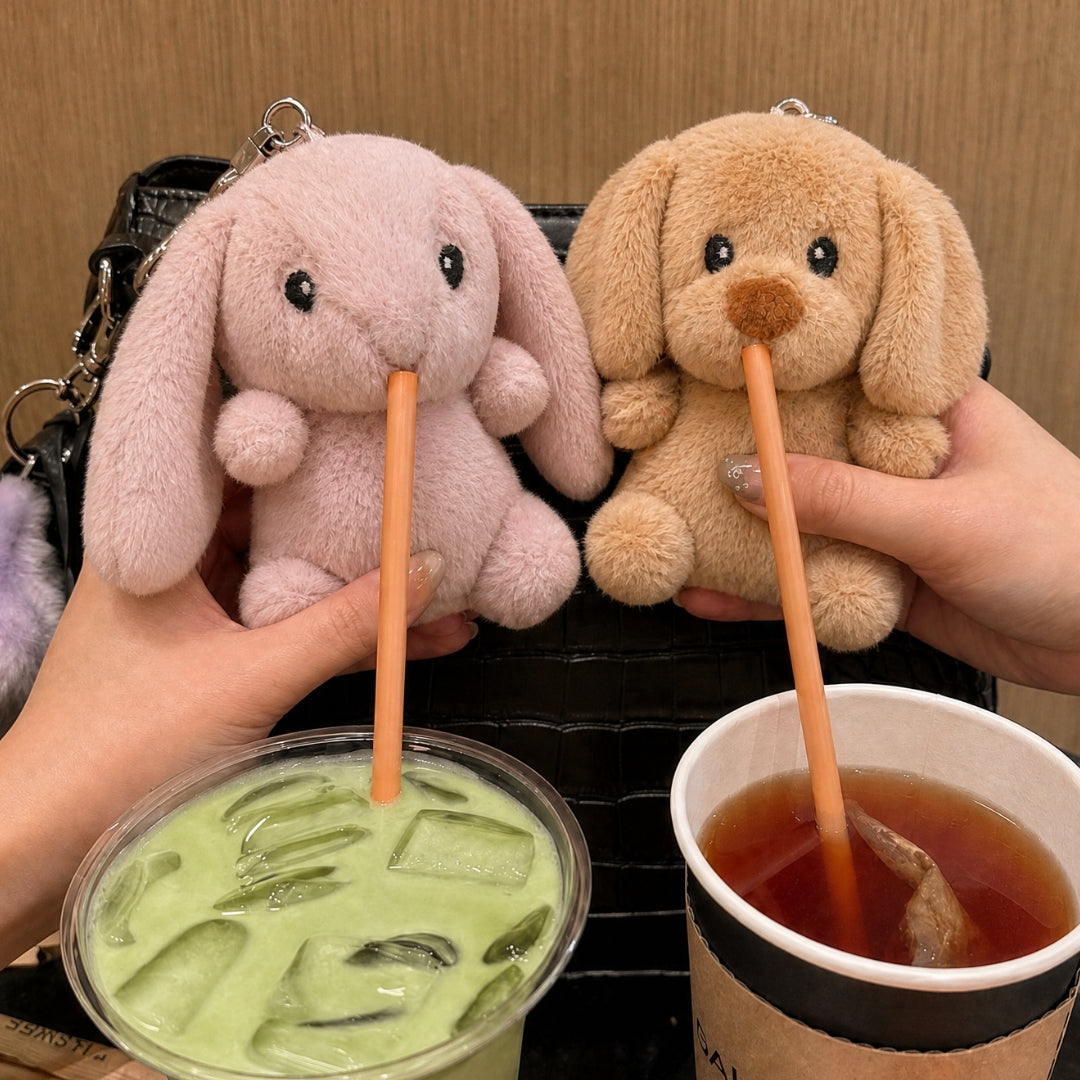
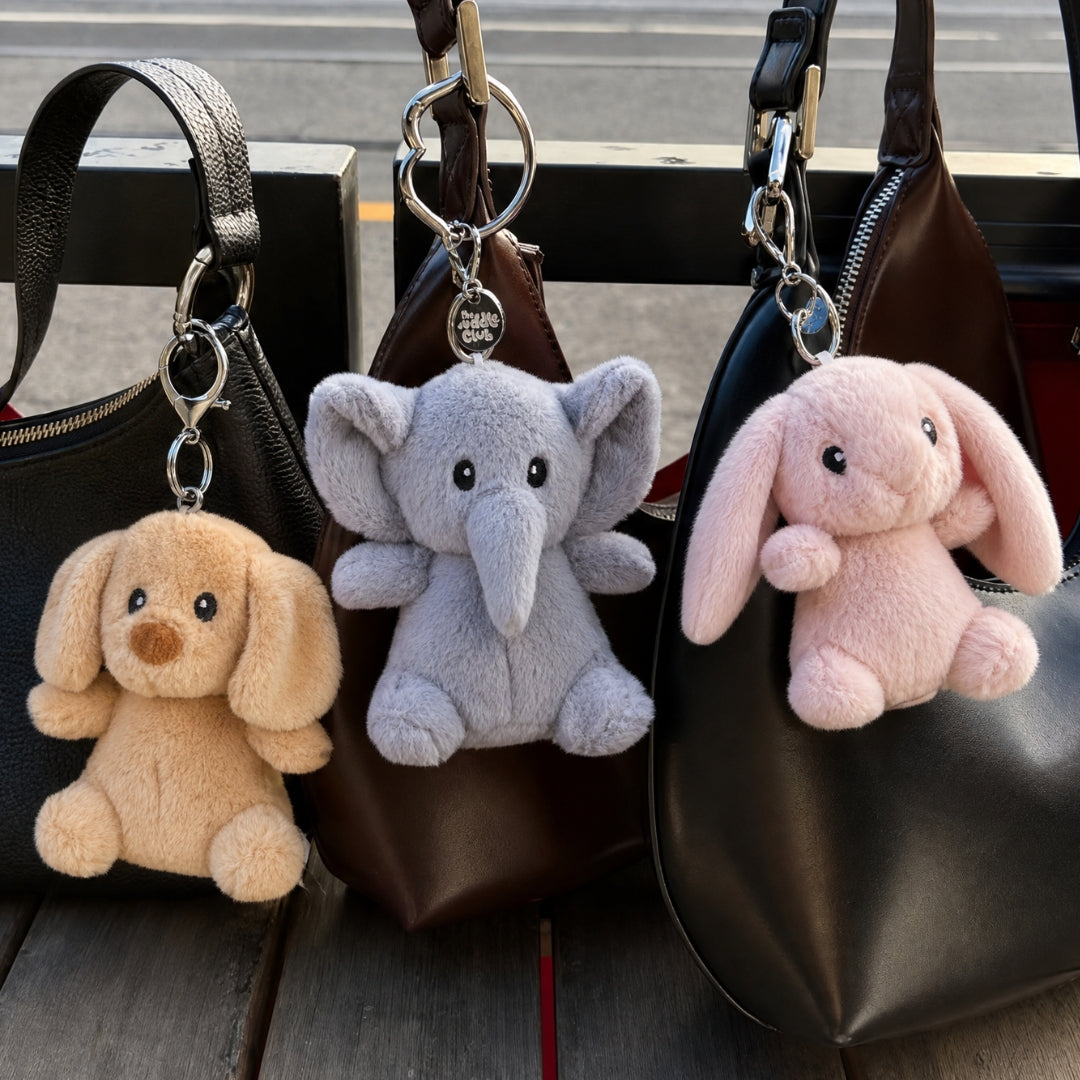
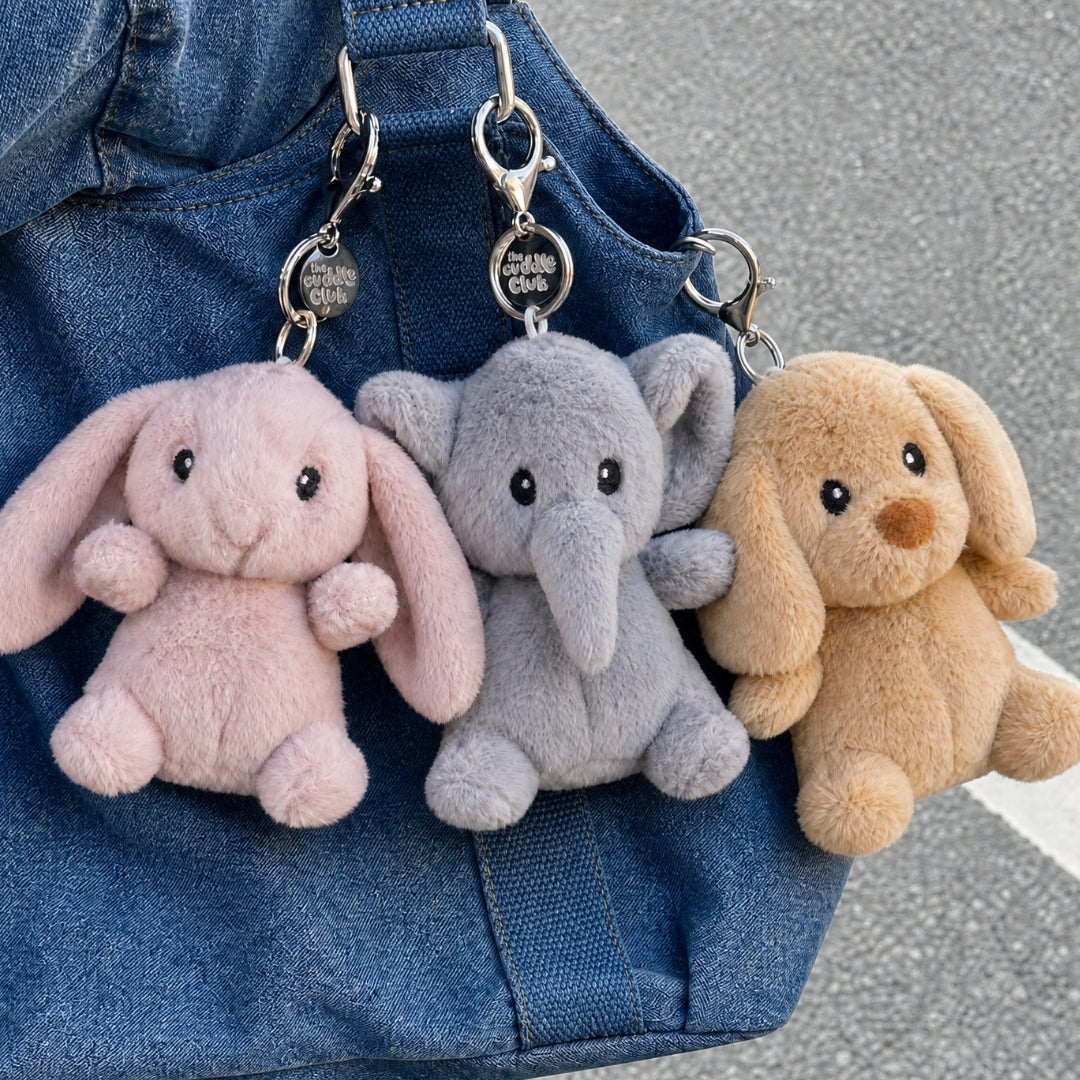
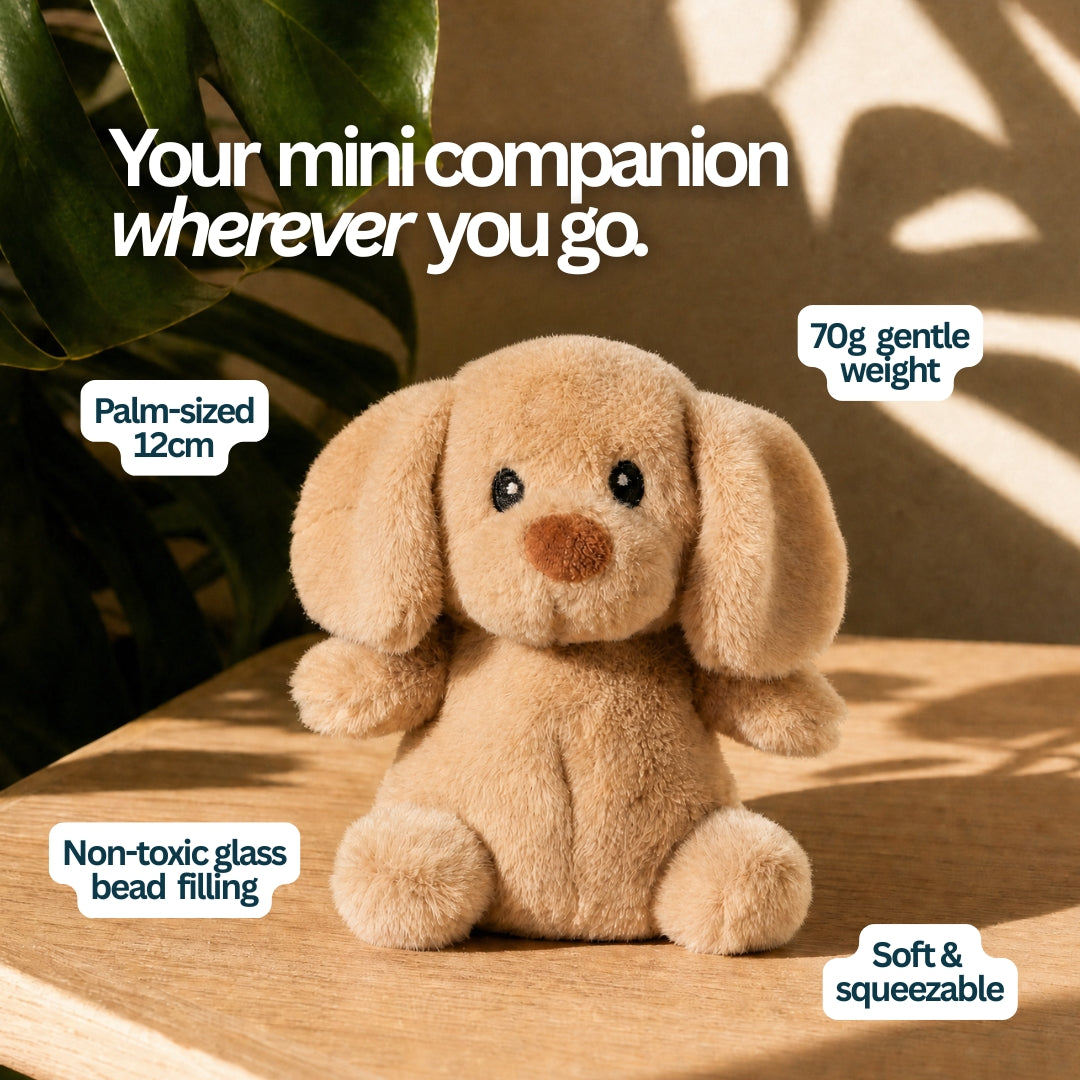
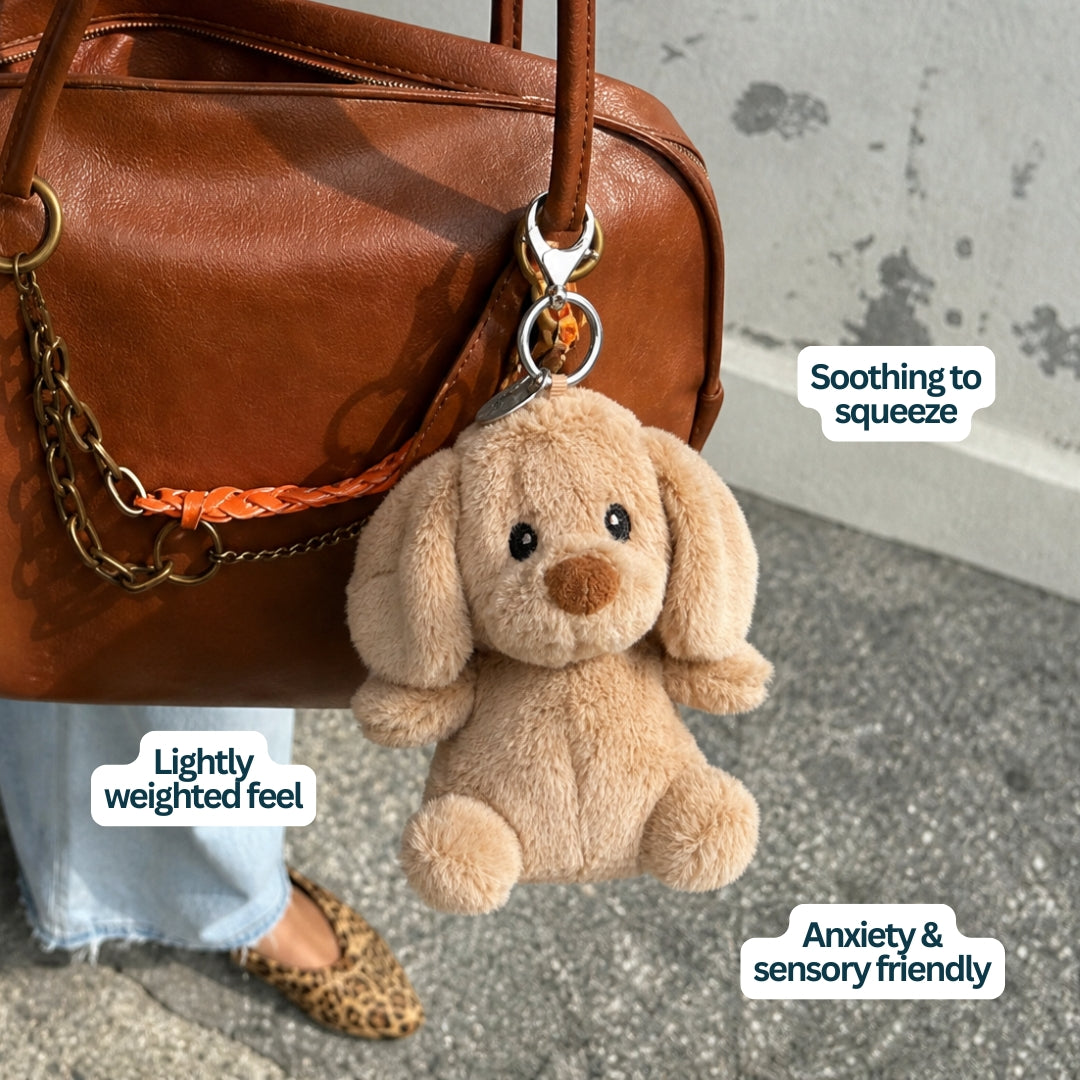
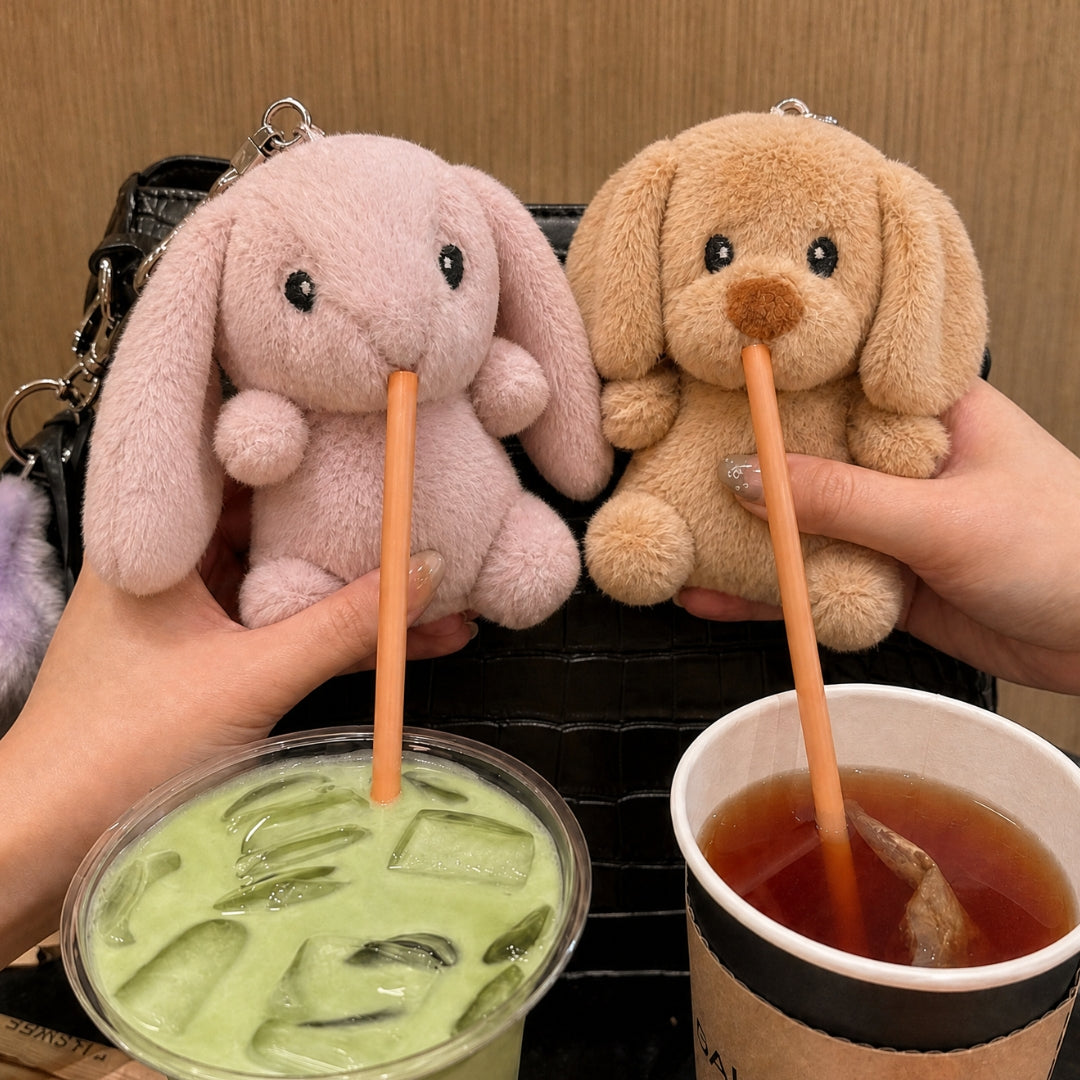
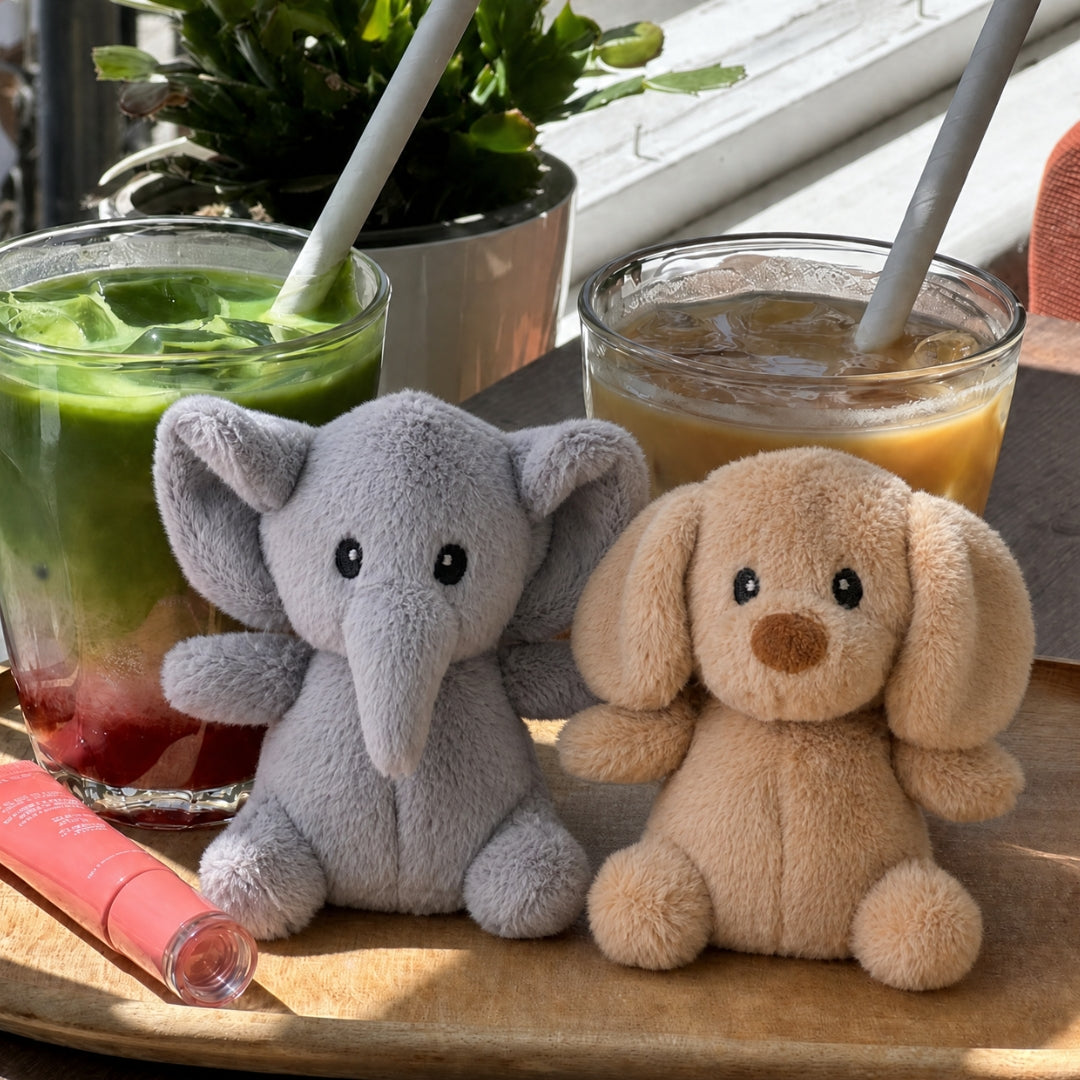
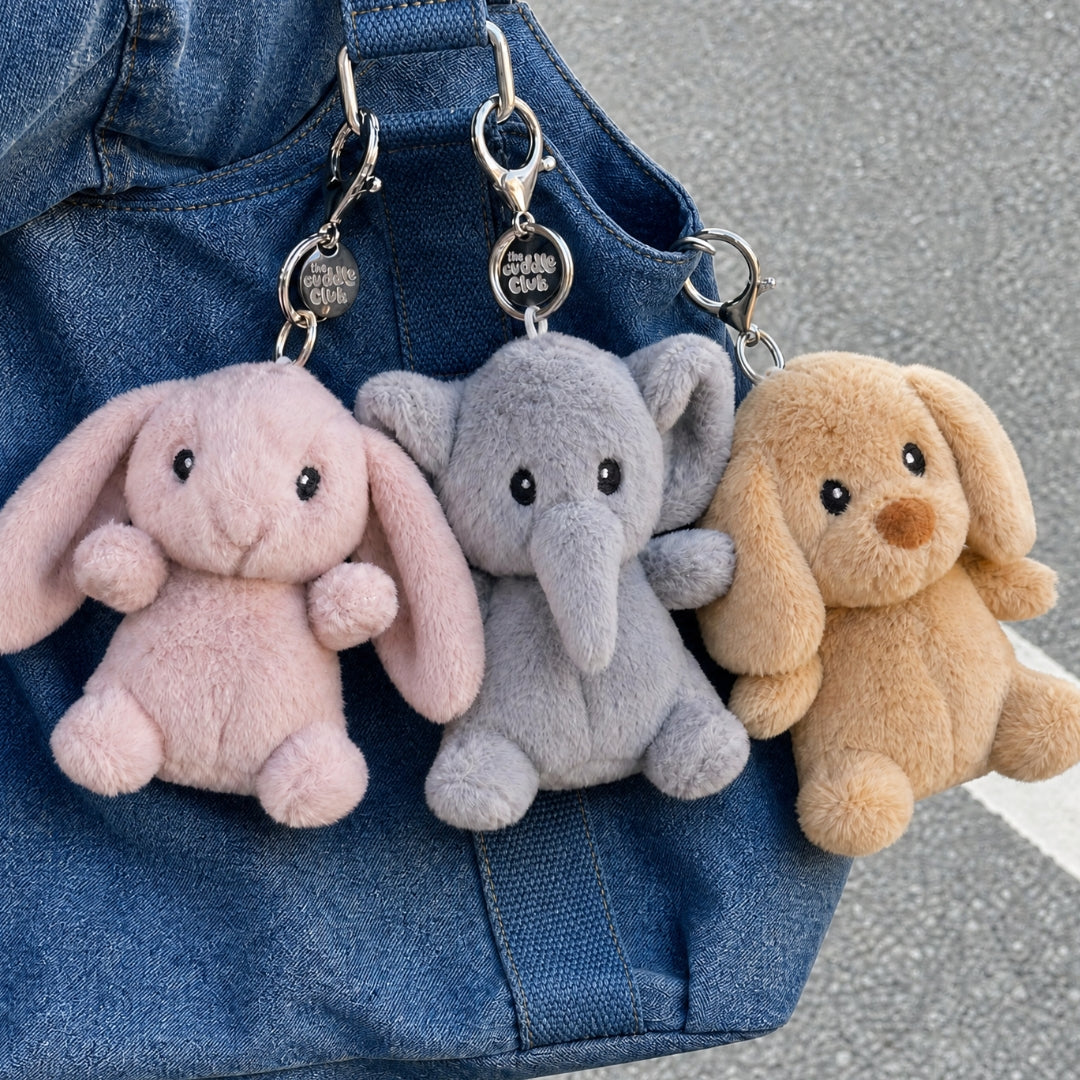
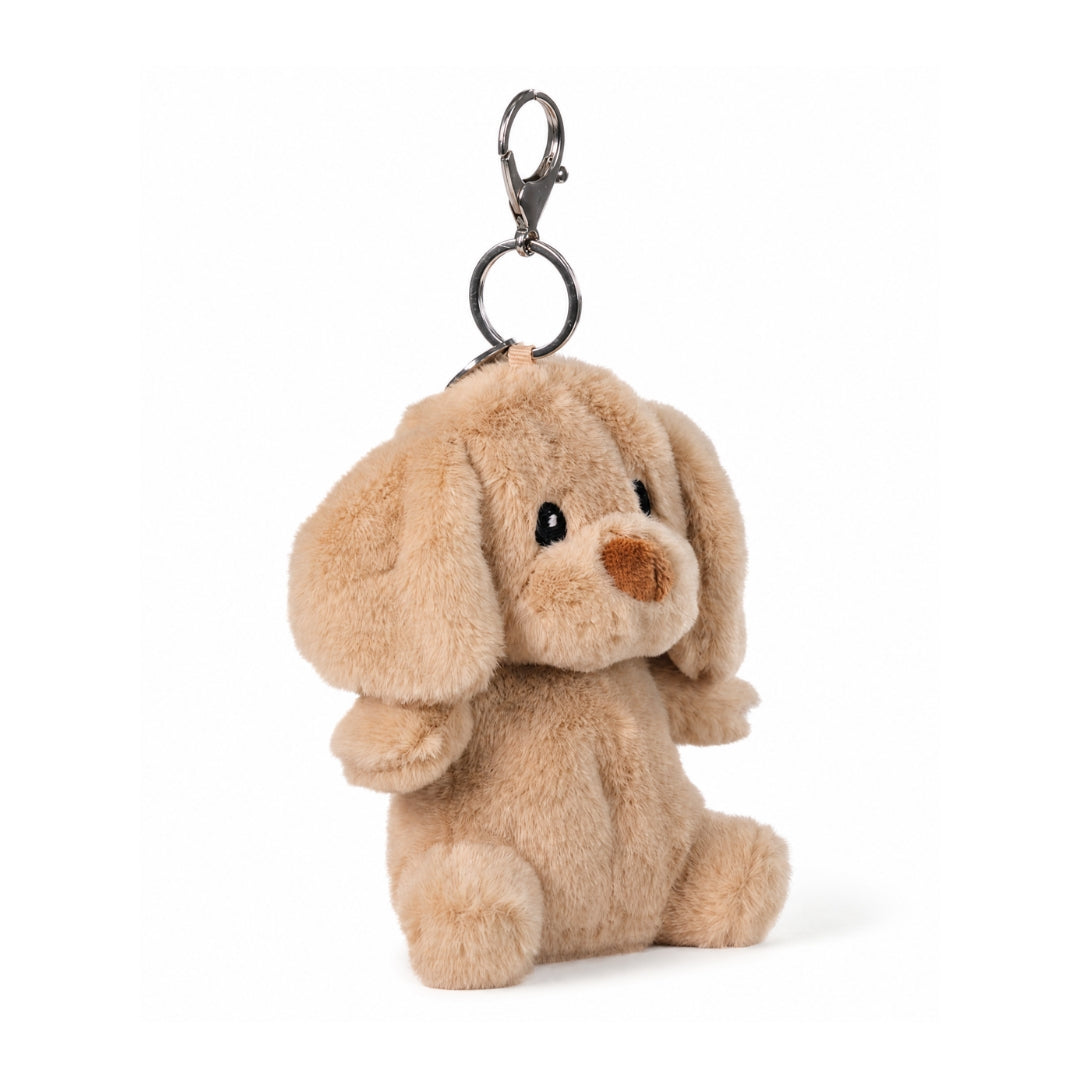
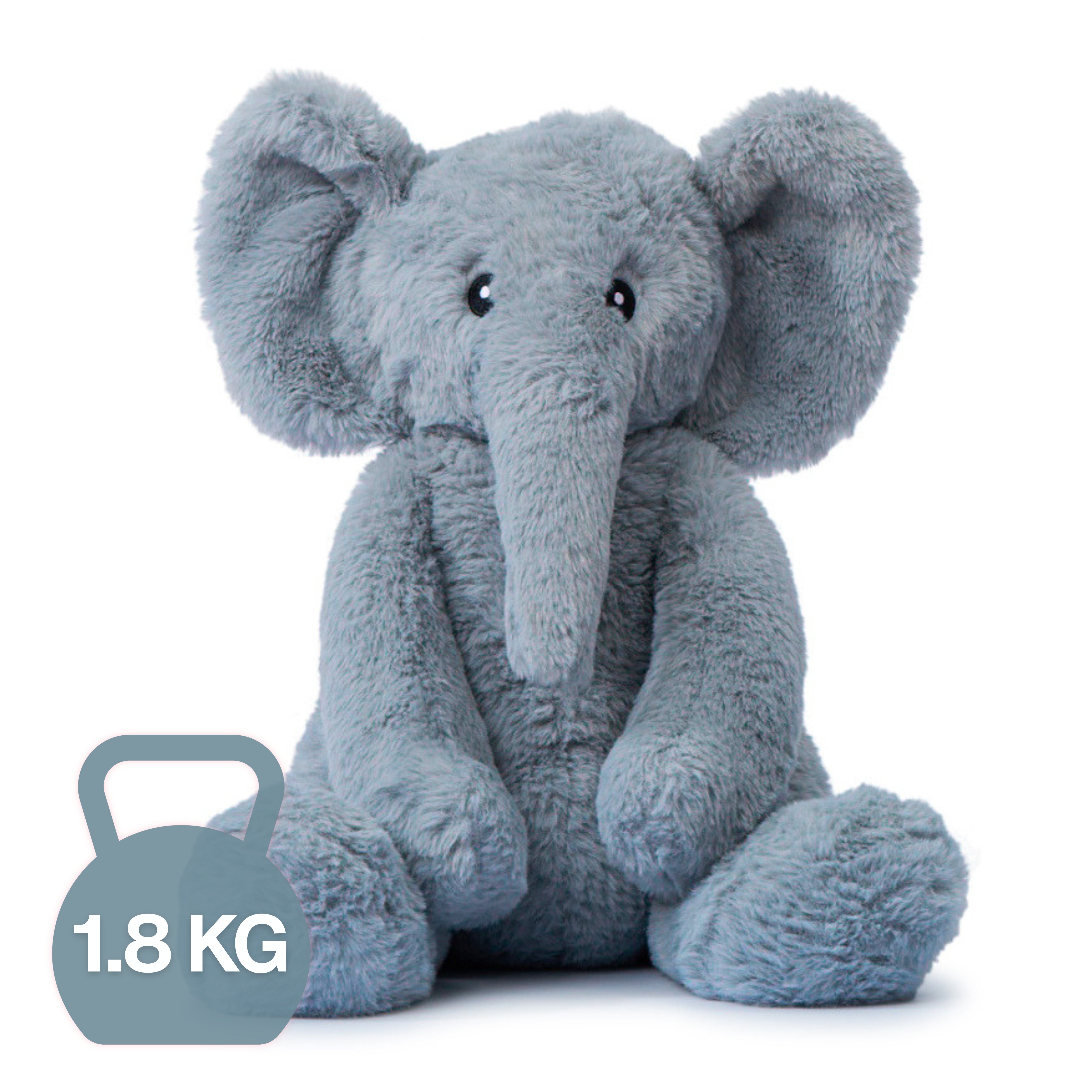
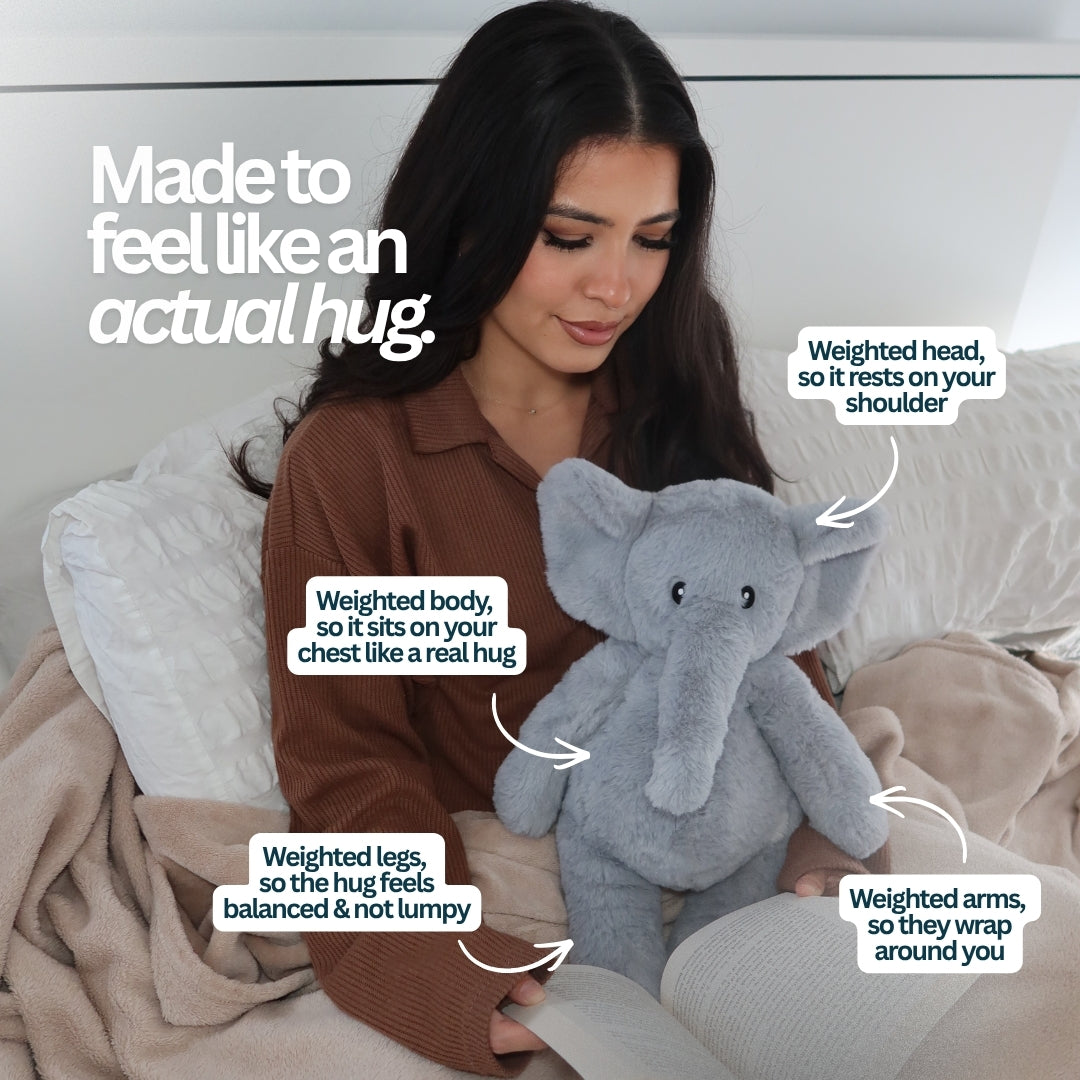
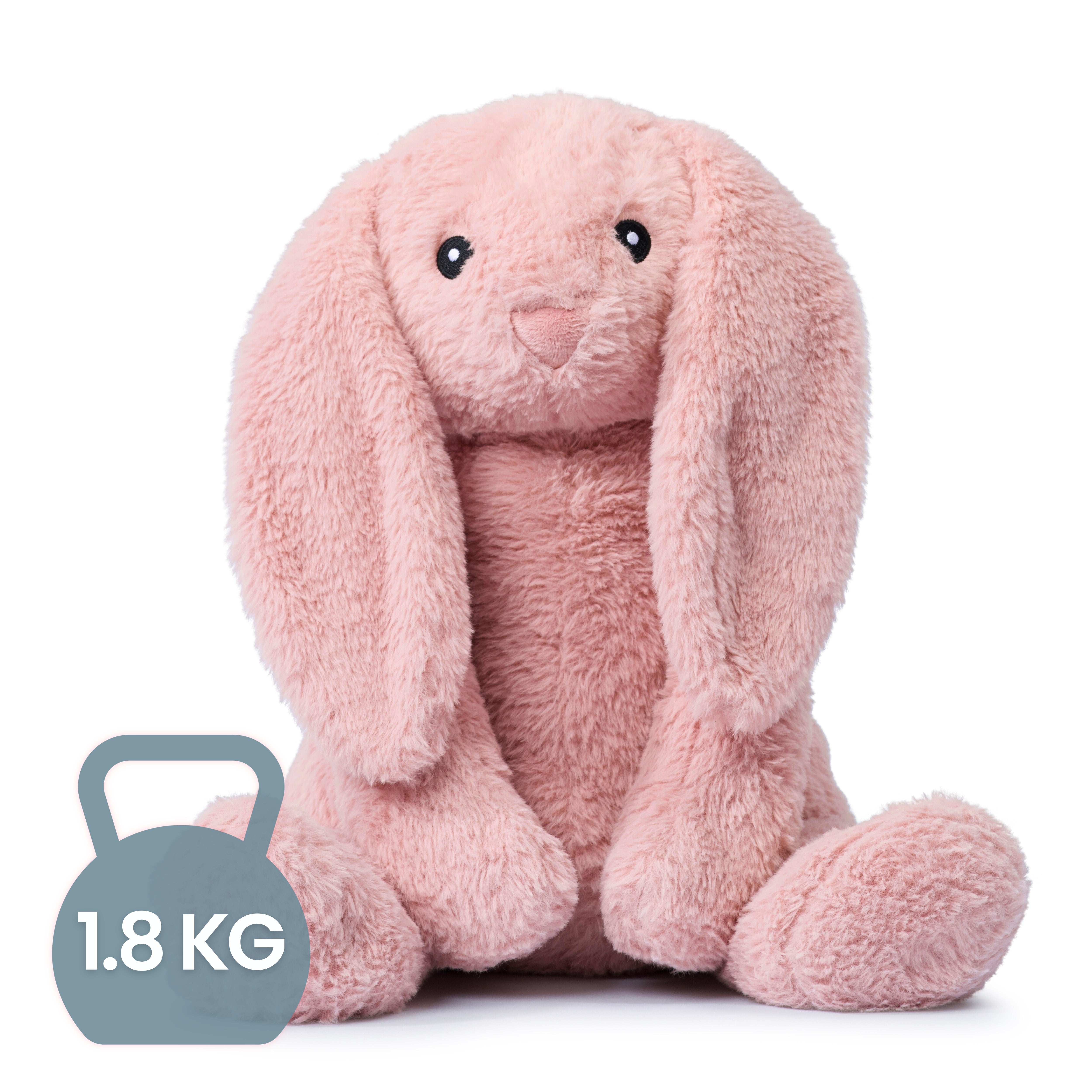
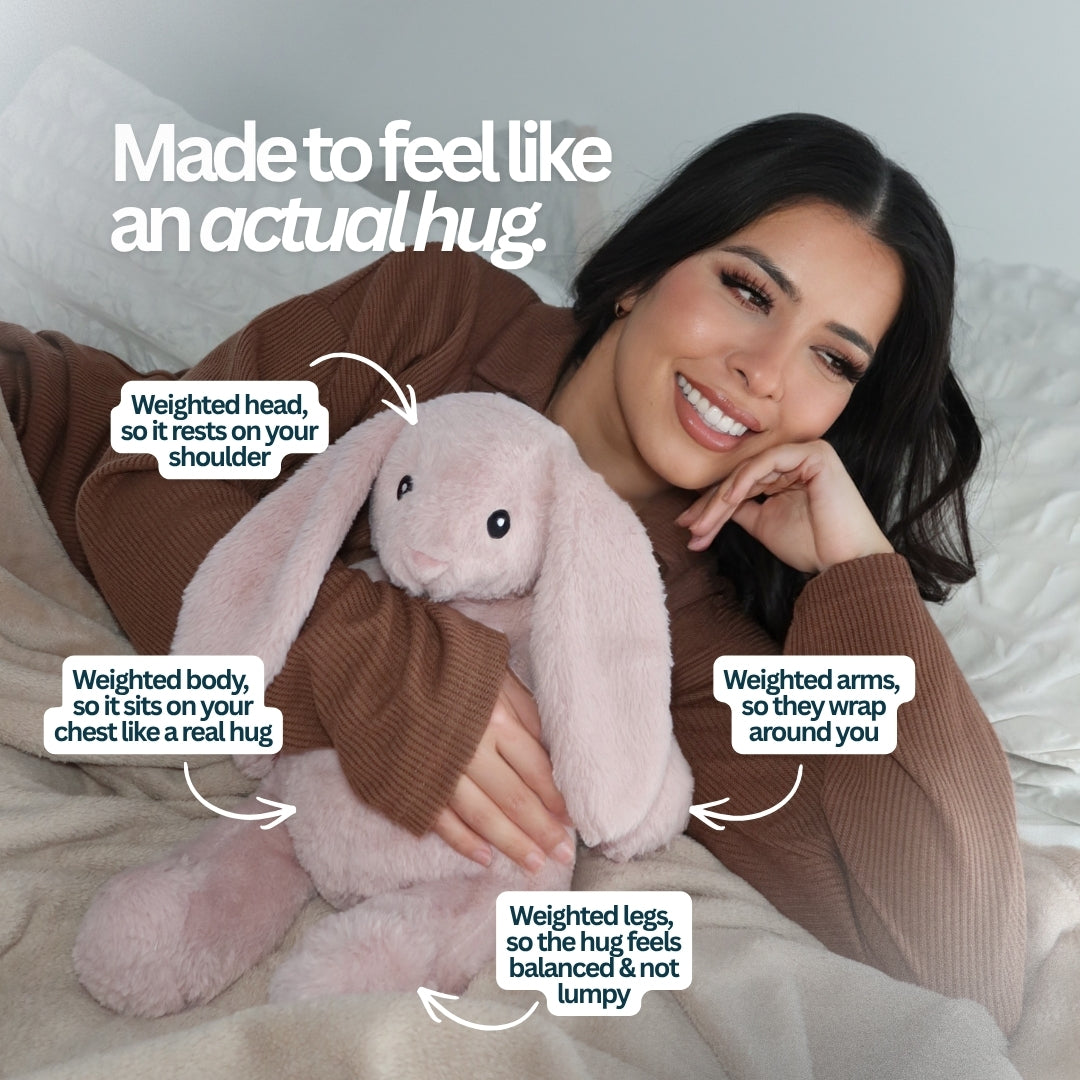
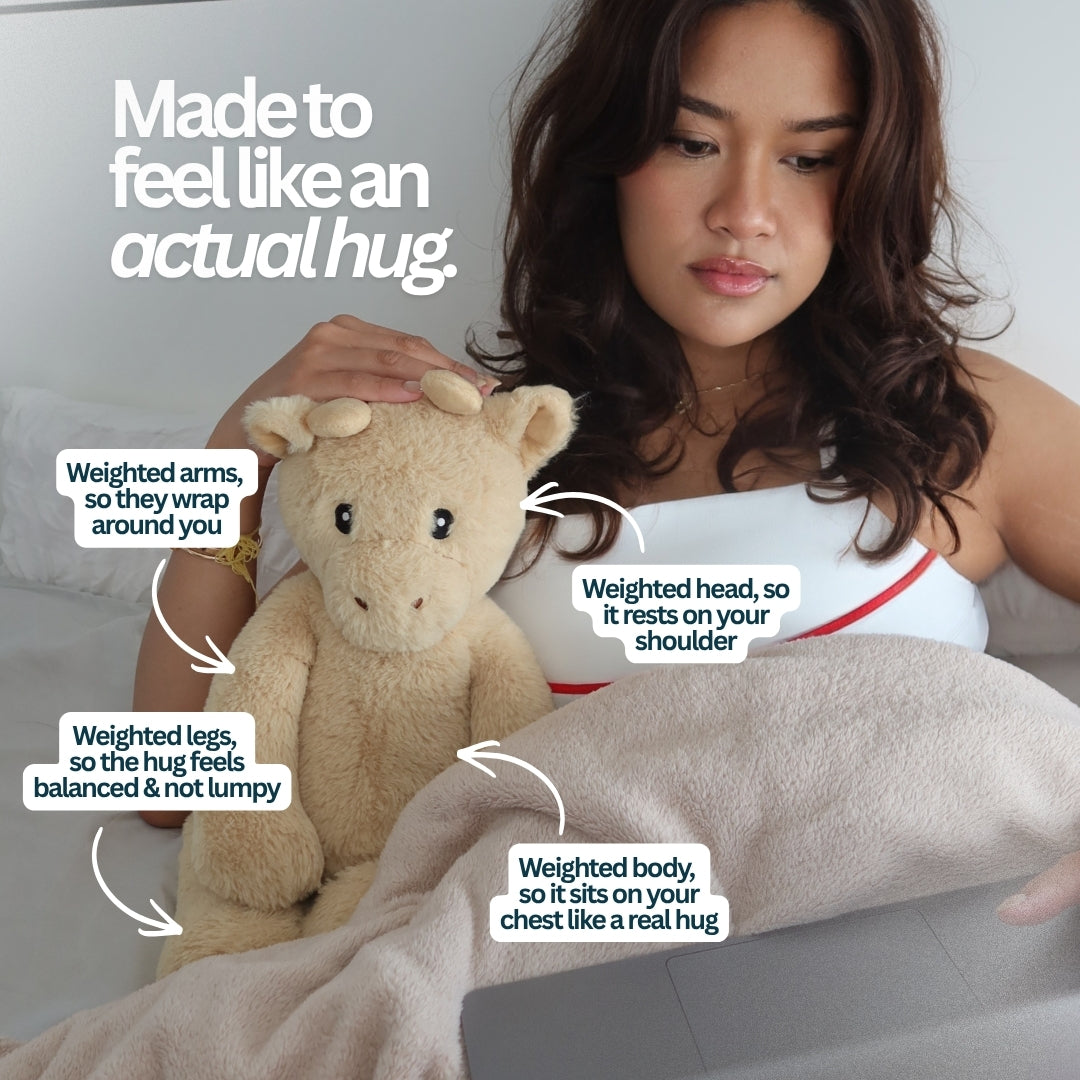
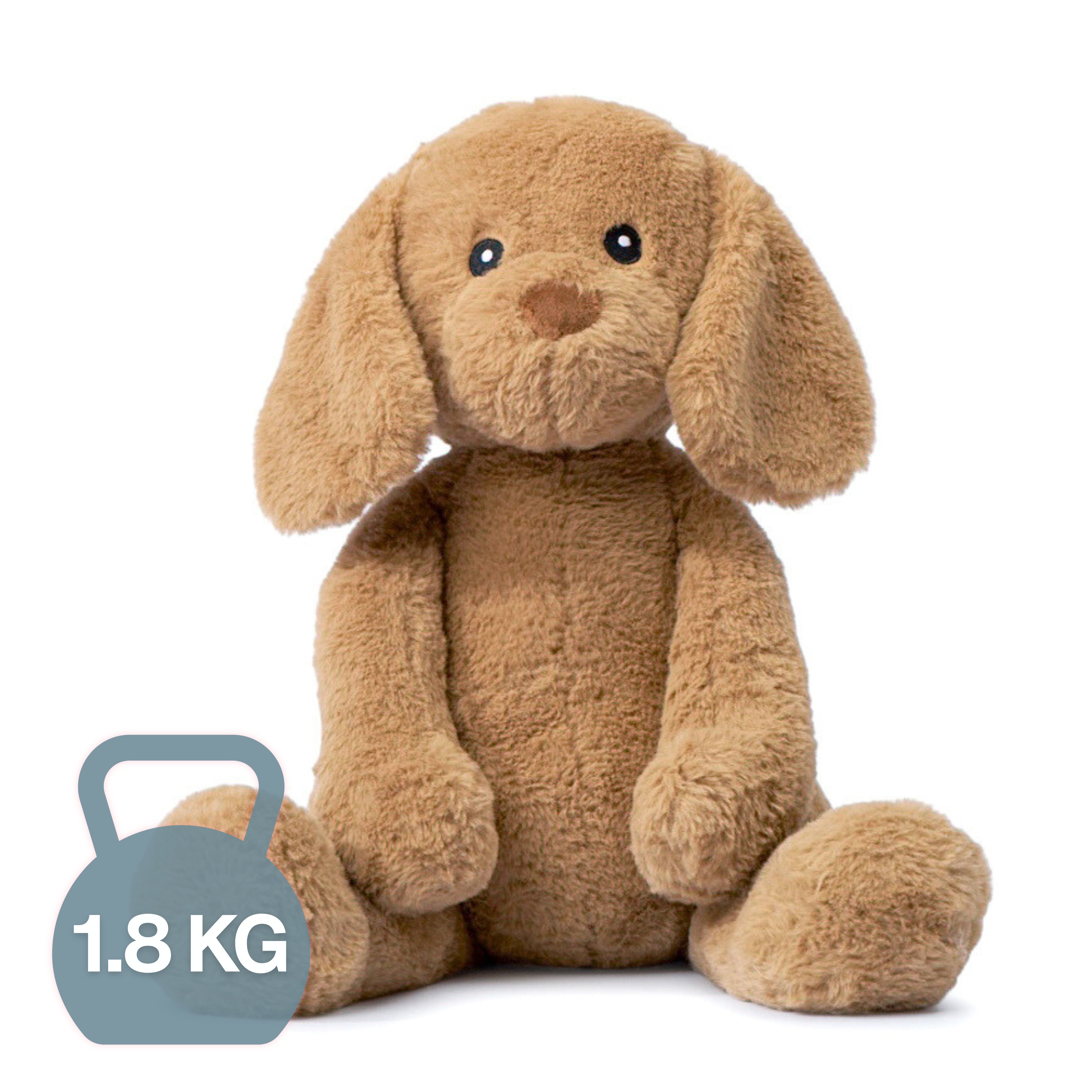
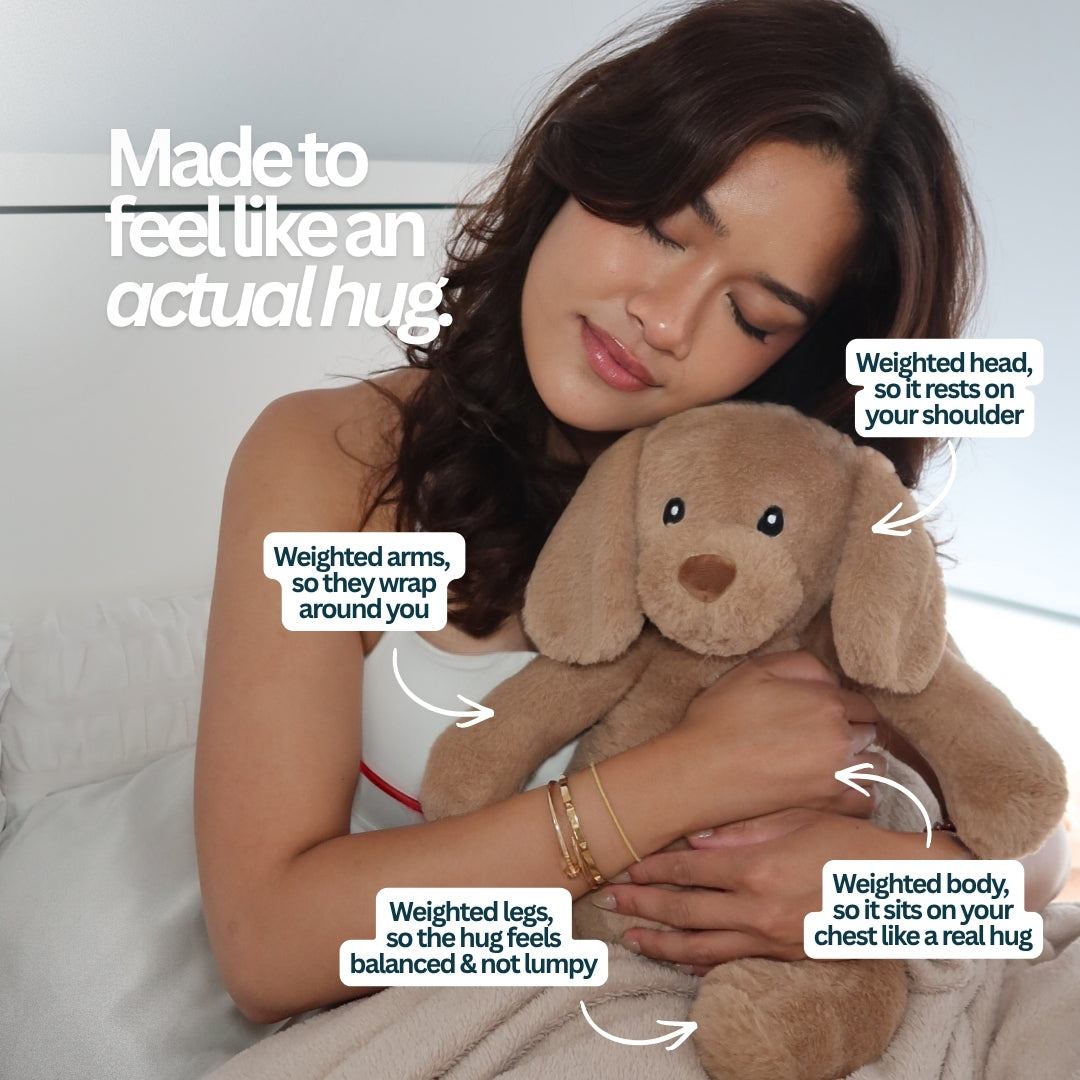
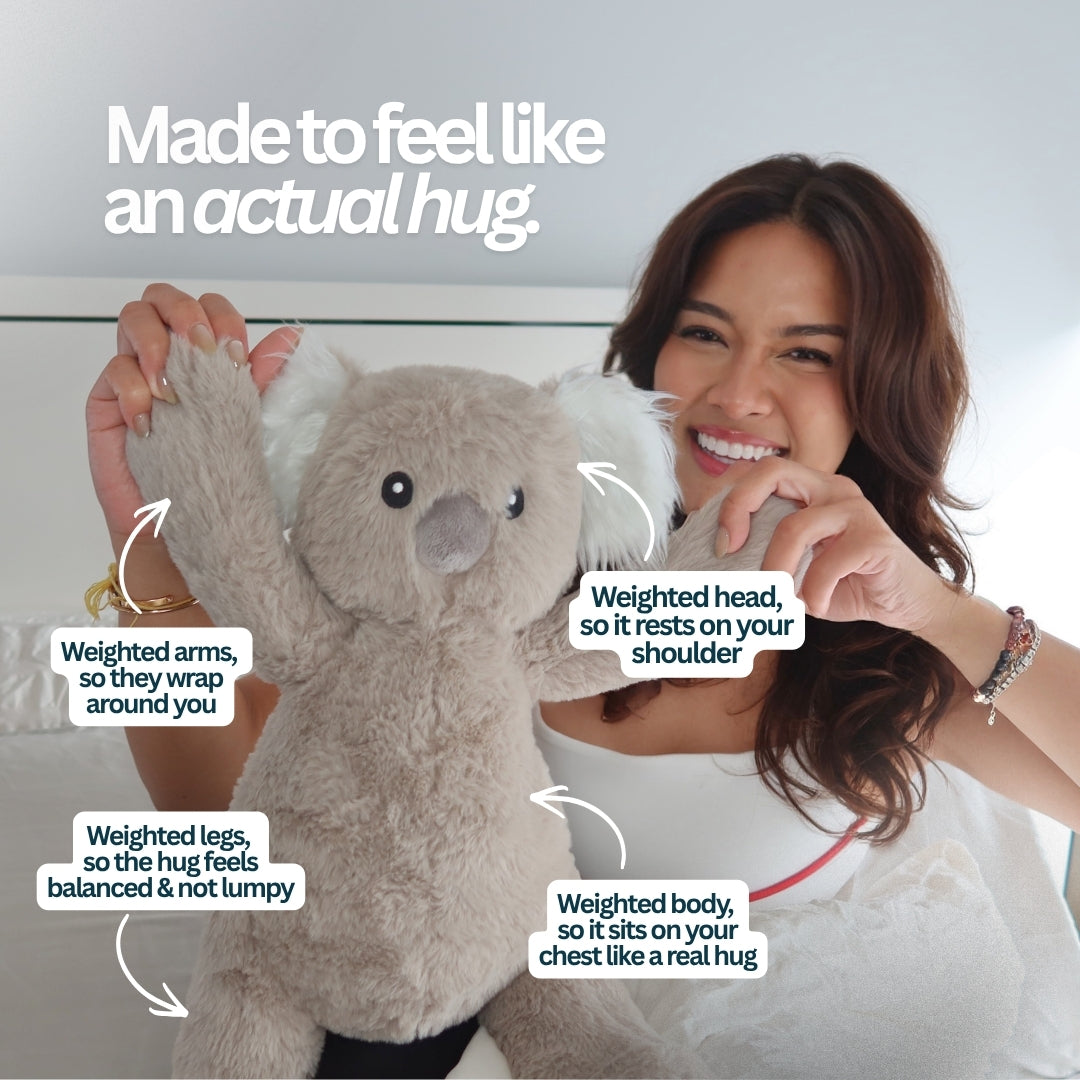
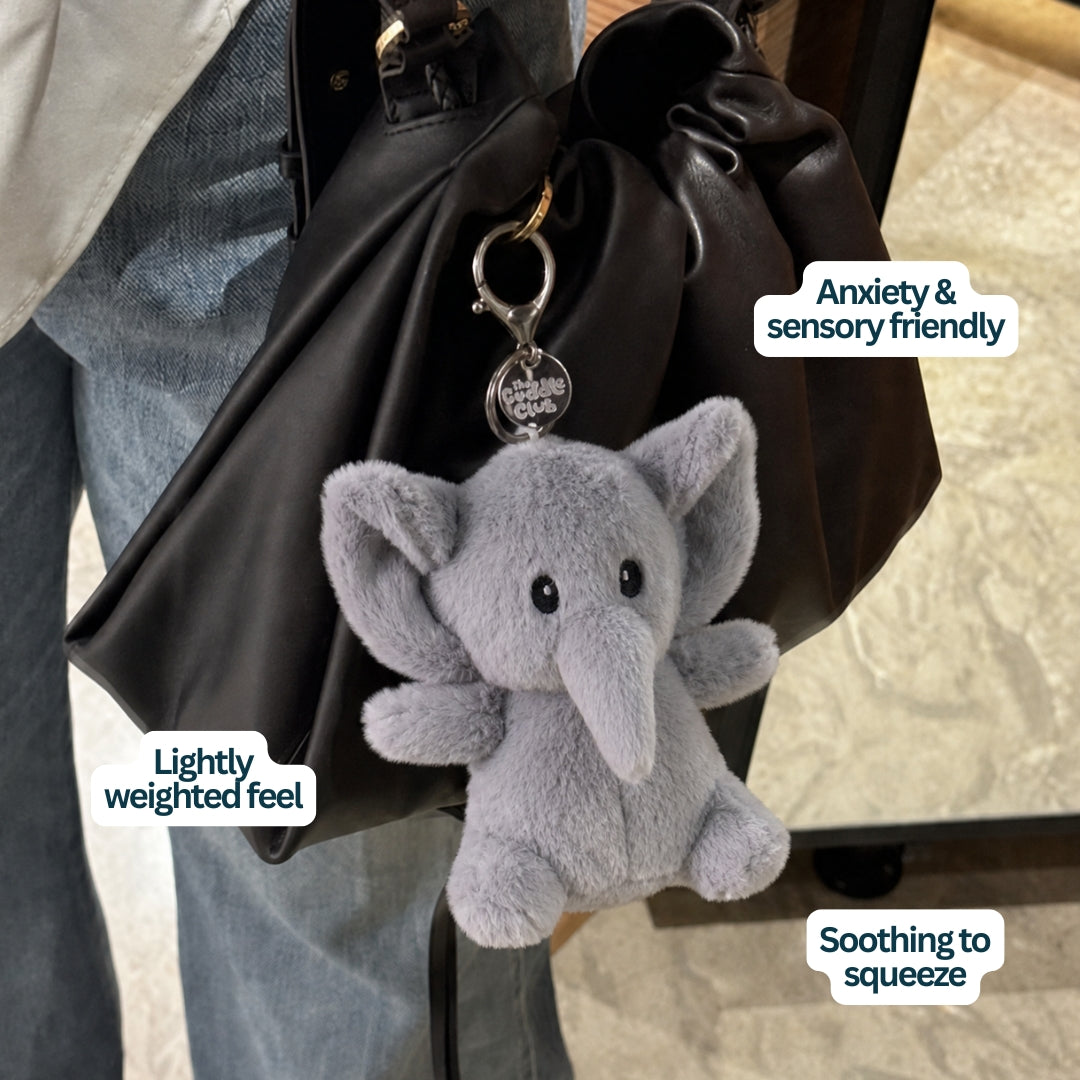
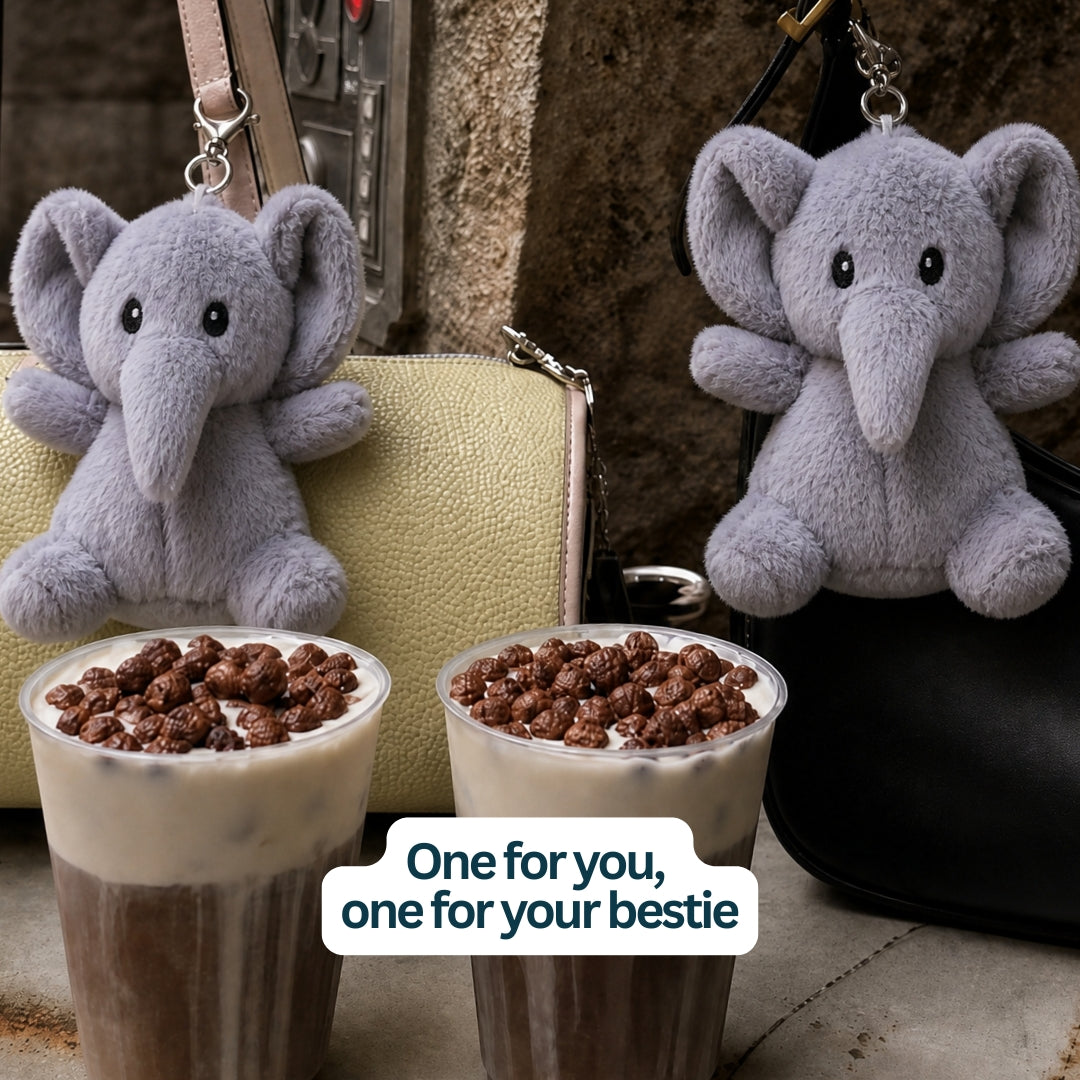
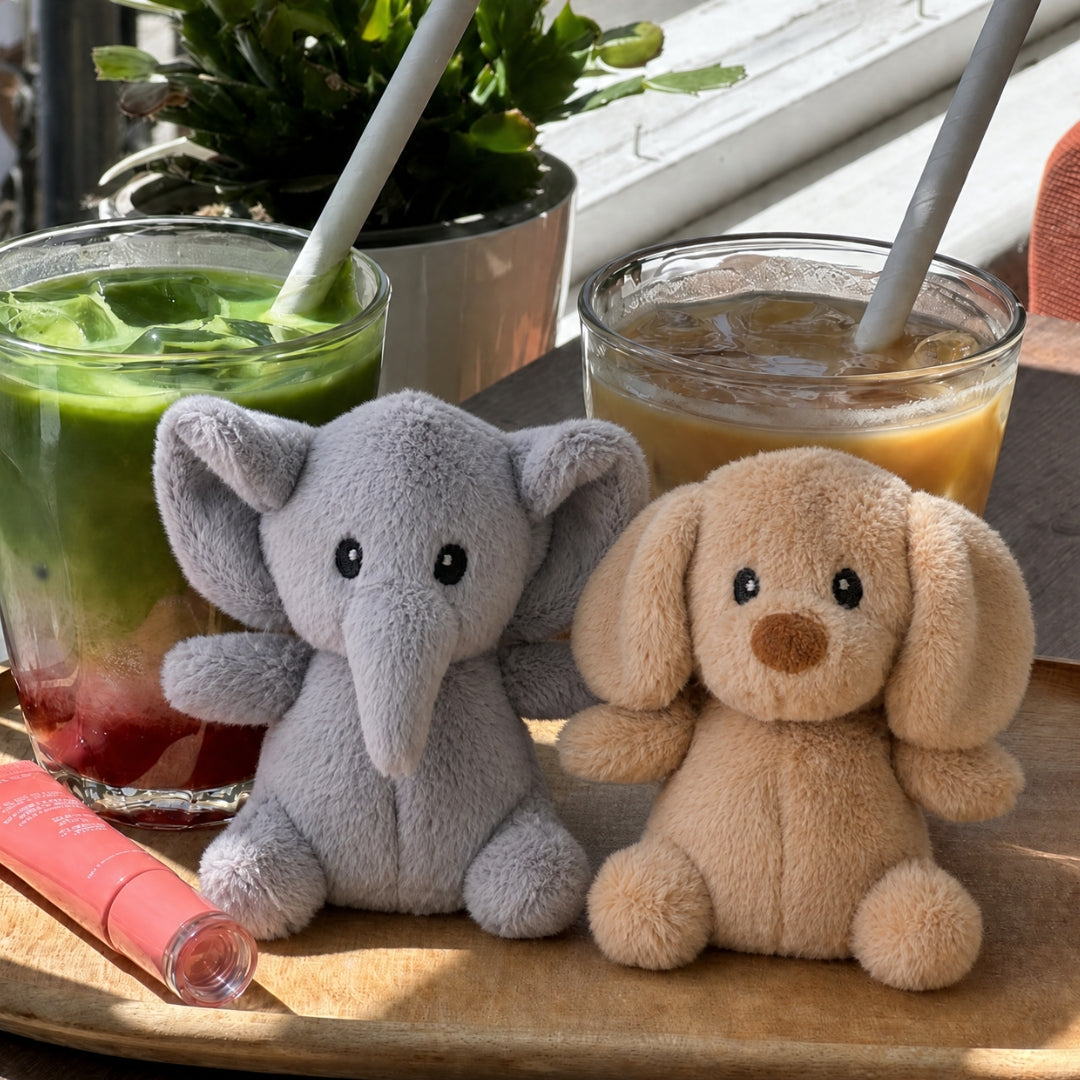
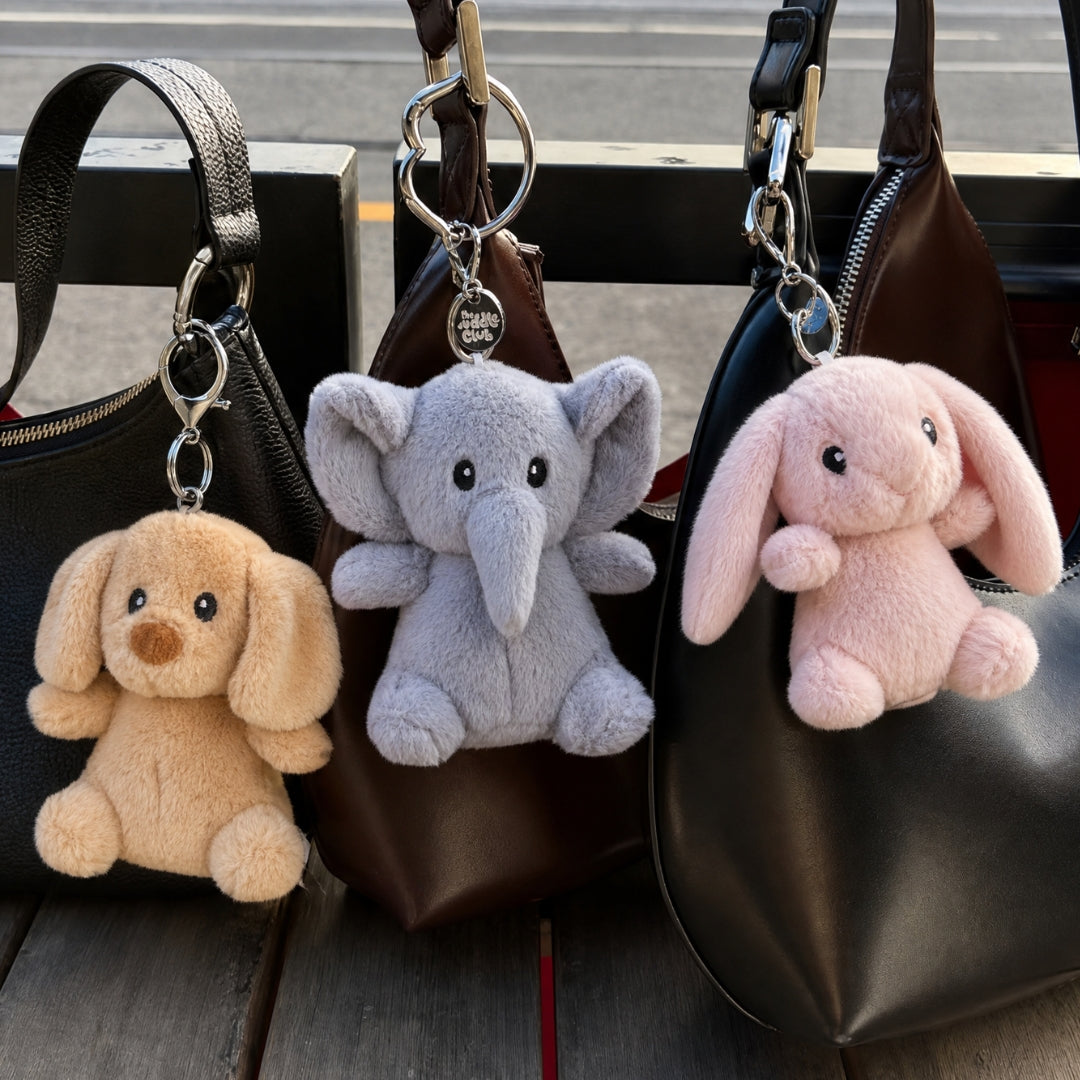
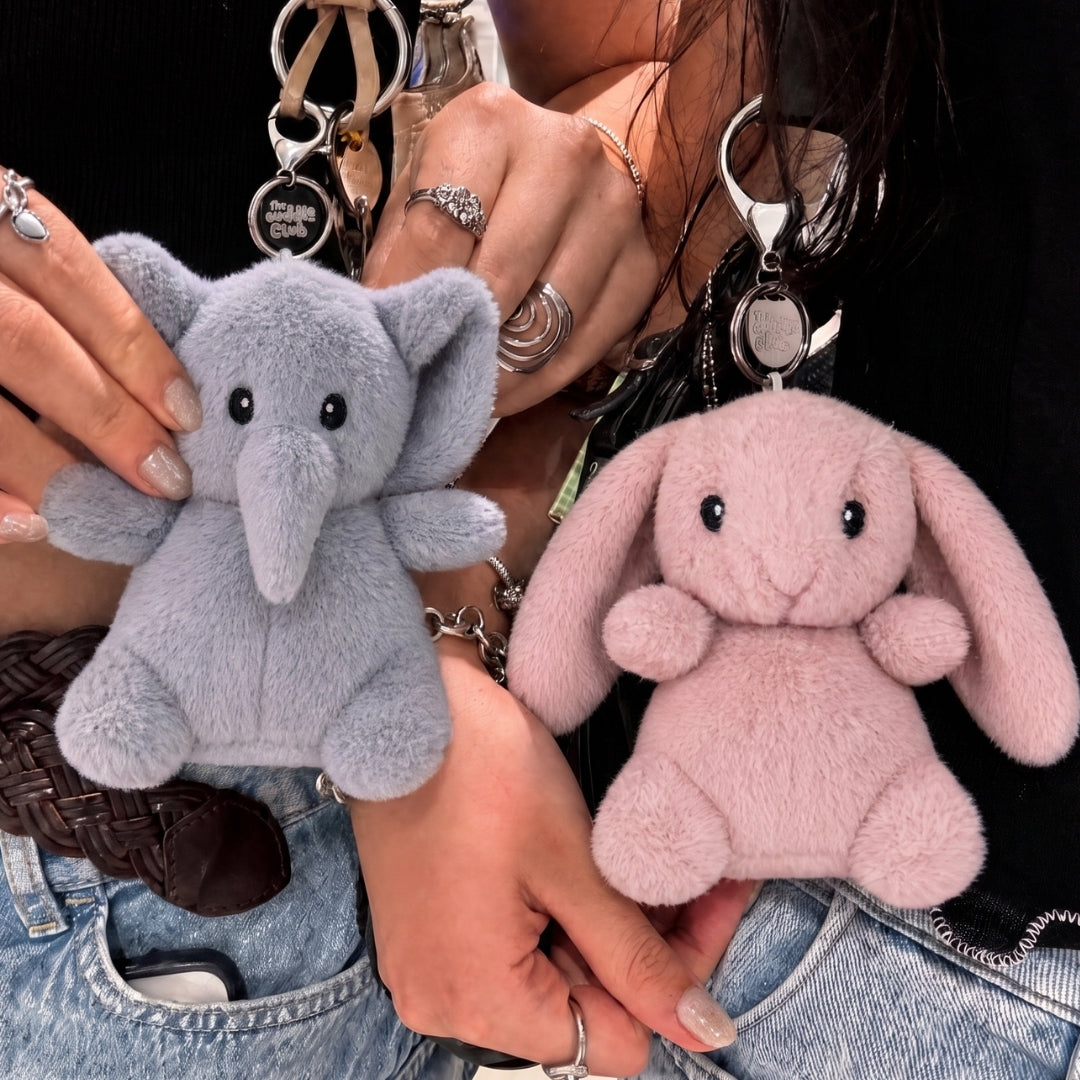
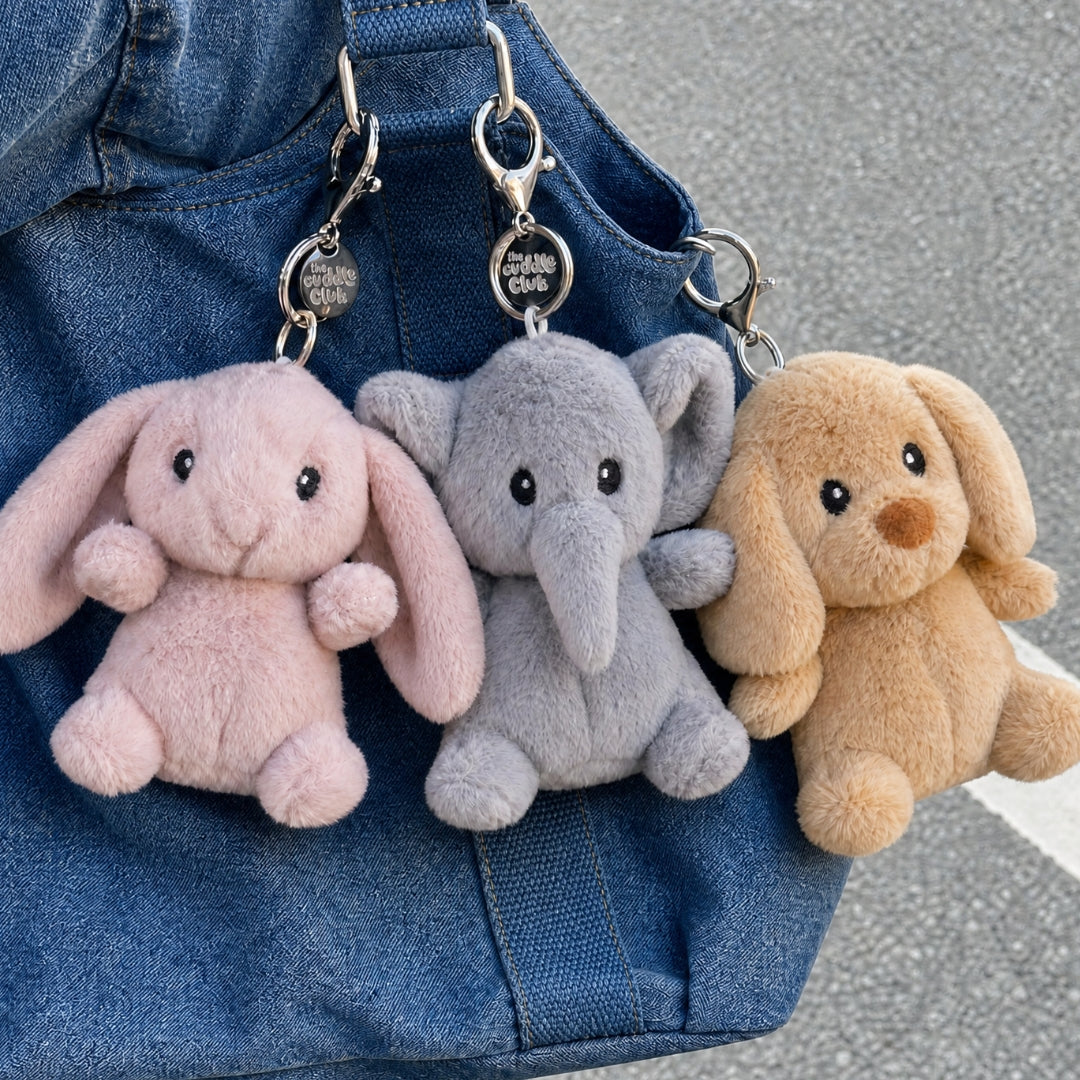
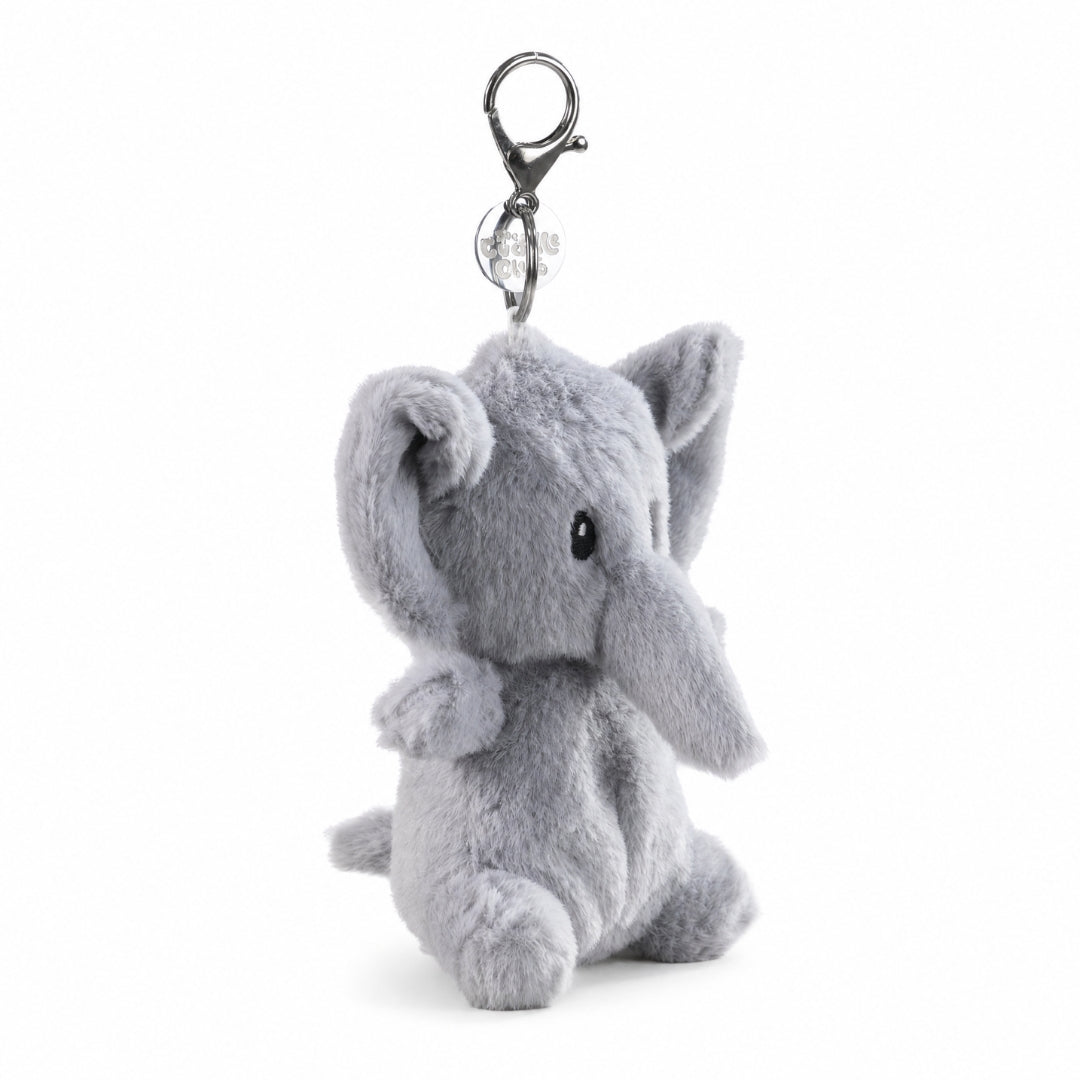
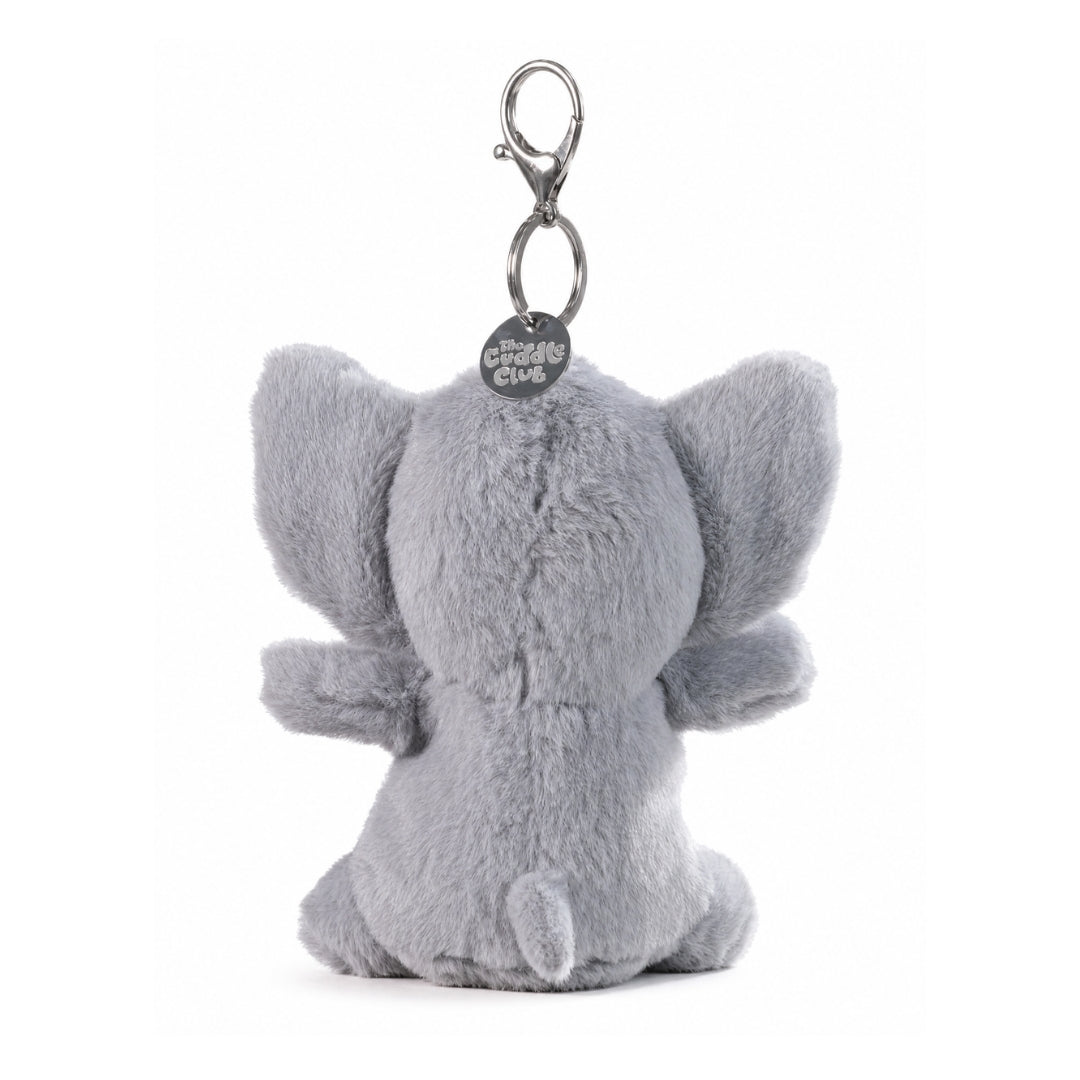
- A weighted Cuddle Pal works as a soft fidget for the hands, with 1.8 kg of even, hug-like pressure on top.
Doodling counts as fidgeting. In one study, people who shaded in shapes while listening to a dull phone message remembered 29% more of it than people who just listened.
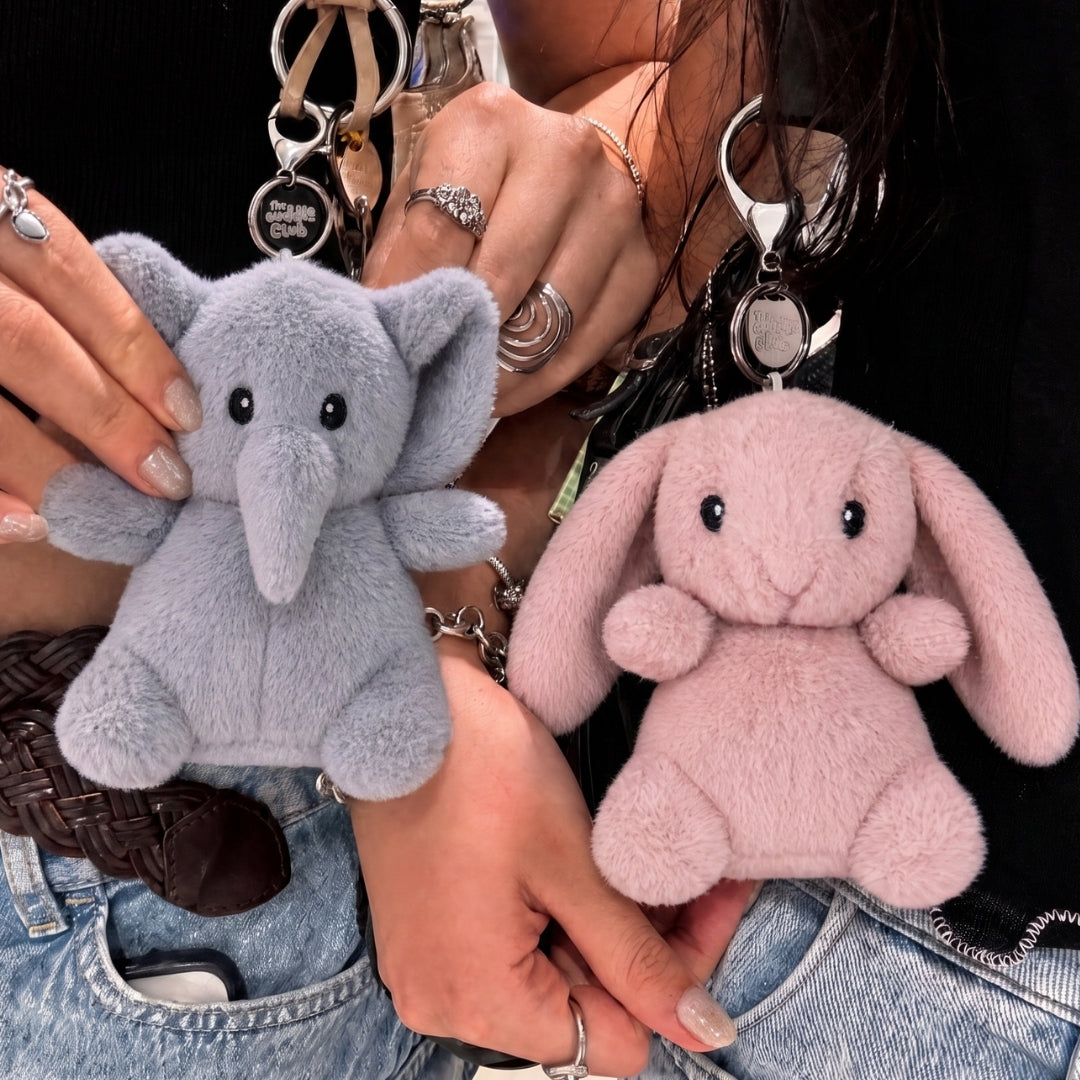
One of our reviewers, Joshua Doyle, described a Cuddle Pal in a way we didn't see coming: “I appreciate the quality of the fabrics used, and found that they work well for tactile stimming.” Nothing about cuddles or sleep. The review was about the feel of the fabric under the fingers, and about having something for the hands to do.
That's a fidget, and it's a good place to start, because the idea covers far more than the spinners most of us picture. So what are fidget toys, exactly? Below we sort them by the job they do for your body rather than by shape or brand, look honestly at what the research says (some help, some get in the way), and explain how to choose one that suits you or your child.
What are fidget toys?
Fidget toys are small, hand-held objects designed to give restless hands a repetitive movement, texture or squeeze to focus on. You spin, click, squish, stretch, roll or stroke them, usually without much thought, while your attention is on something else: a lecture, a phone call, a long drive, a page of homework.
The category is broad. It includes spinners, cubes, clickers and Pop-Its, but also stress balls, therapy putty, textured rings and stretchy strings. A fidget doesn't even have to be sold as one to work as one, because a pen lid, a smooth stone in a pocket or the soft fur of a weighted companion can all do the same job. Fidgets sit inside the bigger family of sensory toys, which covers anything designed to engage the senses. What makes something a fidget in particular is the hands: it's small enough to hold and simple enough to use on autopilot.
Why fidgeting helps some people
Fidgeting has a bad reputation, mostly from classrooms where sitting still was treated as the same thing as paying attention. The research is more interesting than that. In a 2010 study published in Applied Cognitive Psychology, psychologist Jackie Andrade asked 40 people to listen to a deliberately monotonous phone message and pick out the names of people coming to a party. Half of them were also asked to shade in printed shapes while they listened. The doodlers did better at the task, and on a surprise memory test afterwards they recalled 29% more of the message.
Andrade's suggestion was that a simple hand activity may provide just enough stimulation to stop the mind drifting into daydreams. That matches what plenty of people notice in themselves: a little movement can keep a bored or restless brain in the room. It also explains why the urge to fidget tends to grow as a task drags on. A separate study that filmed university students watching a 40-minute lecture found that fidgeting climbed as their attention faded, so the urge to move can be a sign you're drifting as much as a way of pulling yourself back.
The three jobs a fidget can do
The most useful way to think about fidget toys isn't by shape or brand but by what they give your body. Most do one of three jobs, and many people find they strongly prefer one kind over the others.
Pressure is the job most fidget lists leave out, and for a lot of people it's the most settling. Your sense of where your body is and how hard it's working, called proprioception, responds strongly to firm input, which is part of why a good squeeze or a steady weight can feel organising in a way that spinning something doesn't.

Weighted Cuddle Pals
- An even 1.8 kg of hug-like weight, carried across the whole body
- Soft fur and weighted limbs for busy hands to stroke and squeeze
- Hand-stitched with embroidered eyes, no hard plastic parts
Do fidget toys actually work?
Honestly, it depends on the fidget and on the person. The evidence that fidgeting can help is stronger than the evidence for any particular fidget toy, and at least one well-designed study points the other way.
That study, published in the Journal of Attention Disorders in 2020, gave fidget spinners to 60 young children with ADHD during lessons in an intensive summer treatment program and tracked their attention and movement. The spinners were linked with worse attention, and the researchers concluded they had a negative effect on attention even inside a well-run classroom. The likely reason is simple: a spinner is made to be watched, and a child watching a spinner isn't watching the teacher.
Put those two findings side by side and a pattern appears. A simple activity that occupies the hands while leaving the eyes and mind free seems to help. A gadget that competes for attention seems to hurt. Neither study tested every kind of fidget, and neither involved a Cuddle Pal, so treat this as a sensible rule of thumb rather than a law, and pay attention to what actually happens when you or your child use one.
Who uses fidget toys?
Fidget toys are often marketed at kids, but plenty of adults keep one on the desk or in a pocket. The reasons vary a lot from person to person.
How to choose a fidget that helps, not distracts
The best fidget is usually the plainest one that does the job. If you're choosing one for yourself or your child, a few questions sort the helpful ones from the distracting ones quickly.
Safety is worth a moment of its own. In Australia, small high-powered magnets sold as toys or novelties have been permanently banned since 2012, because if a child swallows more than one they can stick together across the walls of the intestine and cause serious internal injuries (ACCC Product Safety Australia). Light-up fidgets also need a battery compartment that's properly secured: Western Australia's Consumer Protection has warned about light-up spinners whose button batteries could come loose. If a fidget has magnets, batteries or parts that might break off, keep it well away from young children.
Where a weighted Cuddle Pal fits
We don't make spinners or cubes, and we wouldn't pretend a Cuddle Pal does the same job as one. What it does is combine two of the jobs above. The soft, hypoallergenic fur and weighted limbs give the hands something to stroke, squeeze and fiddle with, while the 1.8 kg of weight provides the kind of pressure a hand-held fidget can't. Fine glass beads are sealed in inner bags across the limbs and body, so the weight is carried evenly rather than pooling in one spot. That means it can rest across your lap at a desk or on your chest on the couch, and you never need to look at it.
Some of our customers use theirs in exactly this way. One review, from Karen Munnery, put it simply:
“with adhd i do play with her hands”
Karen Munnery, Cuddle Pal review
A Cuddle Pal won't suit every moment. It's bigger than a pocket fidget, so it belongs at the desk, on the couch, in the car or in bed rather than in a pencil case. But if you've tried a few fidgets and noticed that squeezing and weight settle you more than spinning and clicking, it may be worth a look.
Frequently asked questions
What is the point of fidget toys?
Are fidget toys just for kids?
What are the most common types of fidget toys?
Are fidget toys good for your brain?
Can adults use fidget toys at work?
Are fidget toys safe?
Something for busy hands, with a hug built in
Our weighted Cuddle Pals give your hands soft fur to stroke and squeeze, and your body an even 1.8 kg of hug-like weight. Find the one that feels right for you.
Meet the Cuddle Pals